When to Visit Marrakech: 2026 Seasonal Guide for Perfect Timing
Choosing when to visit Marrakech transforms your entire trip. Each season reshapes the city’s rhythm with distinct weather, crowds, and activities — spring’s mild warmth, summer’s intense sun, autumn’s cultural festivals, and winter’s gentle exploration. Understanding these seasonal shifts unlocks an unforgettable stay, whether you seek cultural immersion, outdoor adventure, or luxurious relaxation.
Understanding Marrakech’s Climate
Marrakech experiences a semi-arid climate with distinct seasonal variations. Located at the foothills of the Atlas Mountains, the city enjoys over 300 days of sunshine annually but faces significant temperature fluctuations. Average temperatures range from 12°C (54°F) in winter to 38°C (100°F) in summer peaks.
The city receives minimal rainfall, concentrated primarily between November and March. This climate creates four distinct travel seasons, each offering different advantages for visitors.
Spring (March to May): The Ideal Season
Weather Conditions
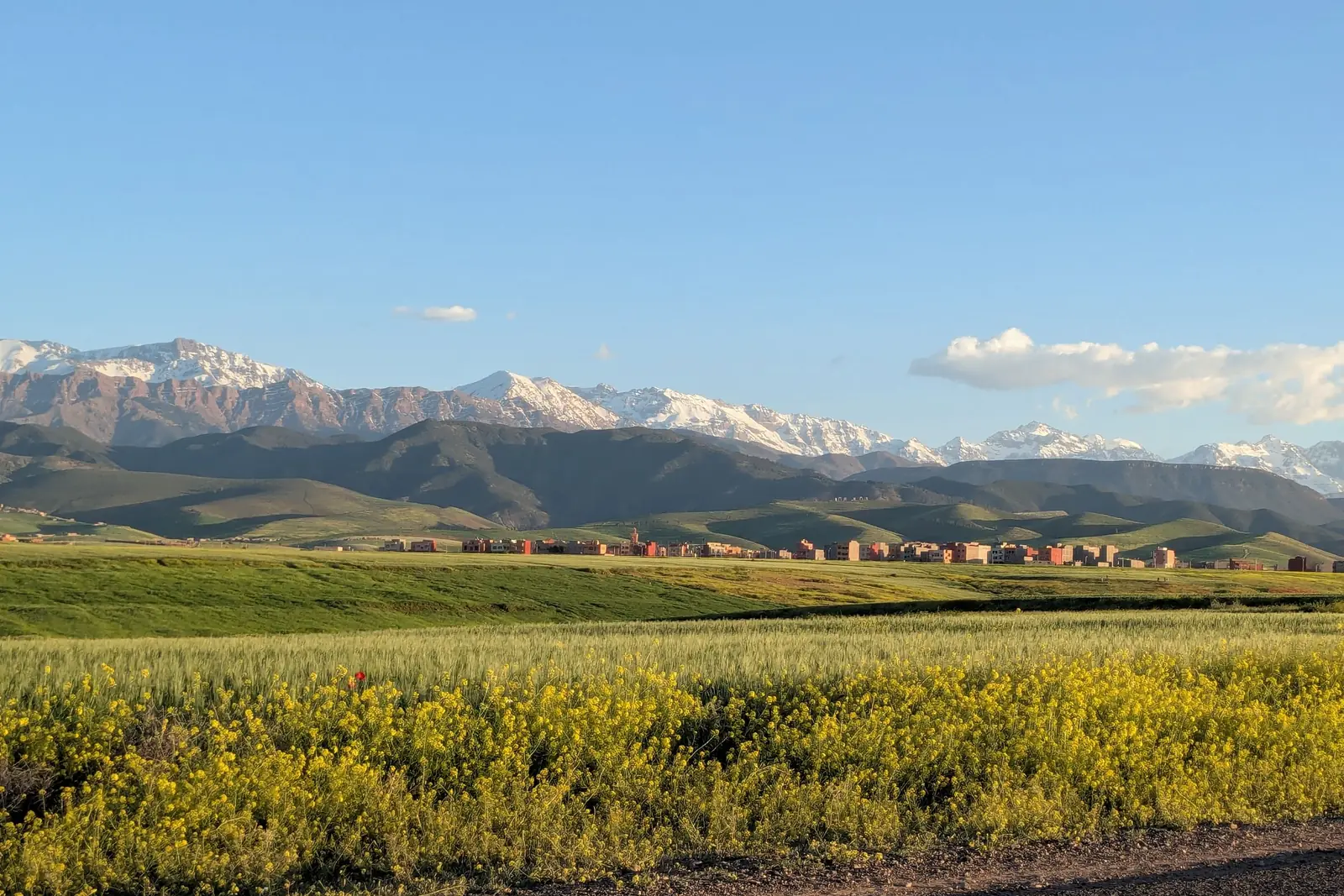
Daytime highs climb comfortably from about 24°C (75°F) in March to 29°C (84°F) in May, with evenings around 10°C to 15°C (50°F to 59°F). March is actually the wettest month of the year (about 35 mm) and April still brings some showers, but rain becomes rare in May, and the landscape blooms with vibrant colors. The Atlas Mountains remain snow-capped through early spring, creating stunning backdrops for photography.
Key Events and Festivals
- Rose Festival in El Kelaa M’Gouna (May) – A spectacular celebration in the M’Goun valley, some 285 km and over five hours’ drive from Marrakech, so plan at least one night away
- National Festival of Popular Arts (usually in July at the El Badi Palace; the 2025 edition ran 3–7 July)
Spring offers perfect conditions for exploring Marrakech’s famous gardens like Jardin Majorelle and Menara Gardens. It is also ideal for day trips to the Atlas Mountains when trails are accessible but not overly hot.
Crowds and Pricing
Spring sees increasing tourist numbers, particularly during European school holidays in April. Prices for accommodations rise accordingly, though you can still find good value in early March. For those considering extended stays, spring offers pleasant conditions for long-term villa rentals in Marrakech.
Summer (June to August): For Heat Lovers
Weather Challenges
Summer in Marrakech is intensely hot, with July and August temperatures regularly exceeding 38°C (100°F) and sometimes reaching 45°C (113°F). These are the hottest months with minimal rainfall. The heat can be challenging for extensive outdoor exploration during midday hours.
Summer Advantages
- Lower accommodation prices (except for luxury resorts with pools)
- Fewer crowds in the medina and major attractions
- Long daylight hours for evening exploration
- Perfect pool weather for villa stays
Summer visitors should plan activities for early mornings and late afternoons. Many locals and experienced travelers retreat to rooftop cafes during peak heat hours. This is also an excellent time for golf enthusiasts, as courses are less crowded and many offer discounted summer rates. For a comprehensive packing strategy, see our ultimate packing list for Marrakech.
Summer Events
The Fès Festival of World Sacred Music takes place in Fès, not Marrakech, usually in early June (4–7 June in 2026), and is worth the trip for music lovers. Ramadan will not fall in summer in the coming years (it starts around 8 February in 2027 and in late January in 2028); when it does fall during your stay, it affects daytime operations but creates vibrant evening atmospheres.
Autumn (September to November): Second Peak Season
Weather Transition
Autumn brings relief from summer heat, with temperatures gradually decreasing from highs around 32°C (90°F) in September to a pleasant 23°C (73°F) in November. Evenings become cooler, requiring light layers. Rain returns gradually from October, and November is one of the wetter months (about 30 mm).
Cultural Highlights
Autumn features several significant events:
- Marrakech International Film Festival (November) – A major event attracting global celebrities
- Dates Festival in Erfoud (October) – Worth a multi-day excursion
- Traditional harvest celebrations throughout the region
This is an ideal time for exploring both city and countryside. The weather supports comfortable shopping in the souks and visiting historical sites without extreme heat.
Tourist Considerations
Autumn sees another peak in tourism, particularly during September and October. The Marrakech International Film Festival in November significantly increases hotel demand. Early booking is essential, and prices reflect the high season. For those interested in monthly villa rentals in Marrakech, autumn offers perfect weather for enjoying outdoor spaces.
Winter (December to February): Mild and Cultural
Weather Patterns
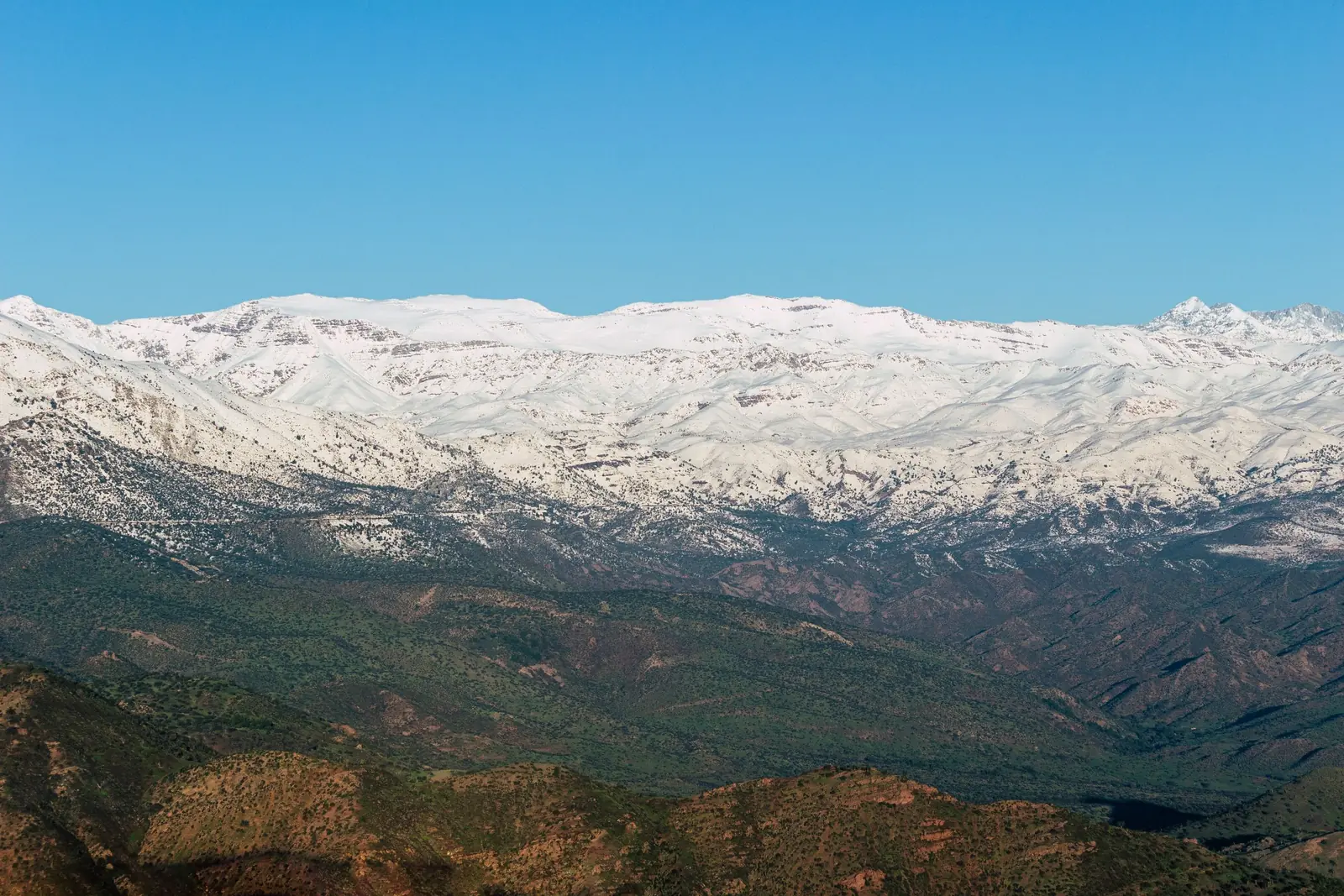
Winter brings Marrakech’s coolest temperatures, with daytime highs around 19°C to 21°C (66°F to 70°F) and nighttime lows dropping to 5°C to 8°C (41°F to 46°F). While generally dry, winter brings regular light rain, about 25 mm a month over three or four rainy days; the wettest month is actually March. The Atlas Mountains receive snow, creating beautiful scenery visible from the city.
Winter Advantages
- Lower tourist numbers (except Christmas/New Year period)
- Comfortable temperatures for daytime exploration
- Cultural immersion without peak season crowds
- Excellent value for accommodations in January and February
Winter is perfect for exploring Marrakech’s indoor attractions like palaces, museums, and traditional hammams. The cooler weather also makes it ideal for discovering hidden local spots that might be overlooked in busier seasons.
Holiday Period Considerations
The Christmas and New Year period (mid-December to early January) represents an exception to winter’s generally lower tourism. Luxury hotels and riads book well in advance, and prices peak. This period offers festive atmospheres but requires planning and budgeting accordingly.
Month-by-Month Breakdown
January
Cool, quiet month perfect for cultural immersion. Average high: 19°C (66°F). Ideal for exploring historical sites without crowds.
February
Similar to January with slightly more daylight. Almond trees begin blooming in nearby valleys. Average high: 21°C (70°F).
March
Spring begins with pleasant temperatures and blooming gardens. Tourist numbers start increasing. Average high: 24°C (75°F).
April
Peak spring conditions with ideal weather. Busy due to European holidays. Average high: 26°C (79°F).
May
Warm but comfortable before summer heat. Rose Festival in the M’Goun valley, beyond the High Atlas. Average high: 29°C (84°F). More in our guide to Marrakech in May.
June
Beginning of summer heat. Festival of World Sacred Music in Fès. Average high: 34°C (93°F).
July
Hottest month, best for pool-focused stays. Significantly fewer crowds. Average high: 38°C (100°F).
August
Similar to July with intense heat. Many locals take holidays. Average high: 37°C (99°F). More in our tips for Marrakech in August.
September
Heat begins to subside. Popular month for European travelers. Average high: 32°C (90°F).
October
Pleasant autumn weather. Dates Festival excursions. Average high: 27°C (81°F).
November
Cooler temperatures return. Marrakech International Film Festival (20–28 November in 2026). Average high: 23°C (73°F).
December
Cool winter weather with festive atmosphere. Busy holiday period. Average high: 20°C (68°F).
Special Considerations for Travel Planning
Major Events Impact
Several significant events affect travel planning:
- Ramadan: Expected to begin in early February some years, affecting daytime dining and business hours
- Morocco’s potential hosting of major international events: Check official tourism websites like Visit Marrakech for announcements
- Infrastructure developments: Ongoing improvements to Marrakech’s transportation network
Climate Considerations
Marrakech has experienced gradual temperature increases and changing precipitation patterns. Travelers should monitor updated weather forecasts closer to their travel dates and be prepared for potential variability, particularly in transitional months.
Practical Tips for Every Season
Packing Essentials
Regardless of season, certain items are essential for Marrakech:
- Modest clothing covering shoulders and knees for cultural respect
- Comfortable walking shoes for uneven medina streets
- Sun protection (hat, sunglasses, sunscreen) year-round
- Light layers for temperature fluctuations
- Adapter for Type C and Type E electrical outlets
Health and Safety
- Drink bottled or purified water
- Use insect repellent, especially in summer evenings
- Carry basic medications as pharmacies may have different brands
- Have travel insurance covering medical evacuation
Budget Planning
Season significantly affects costs:
- High Season (Spring & Autumn): Premium prices, book 3-4 months ahead
- Shoulder Seasons (Winter excluding holidays): Good value, more availability
- Low Season (Summer): Best deals, especially for longer stays
For detailed budgeting, consult our cost of living guide.
Frequently Asked Questions
What is the best time to visit Marrakech?
Spring, from March to May, is the ideal season: daytime highs climb from about 24°C in March to 29°C in May, with evenings around 10°C to 15°C.
How hot is Marrakech in summer?
Very hot: in July and August temperatures regularly exceed 38°C and sometimes reach 45°C, so plan outdoor visits for early mornings and late afternoons.
When does it rain in Marrakech?
Rainfall is minimal and concentrated between November and March. March is the wettest month, with about 35 mm.
When and where is the Rose Festival?
In May, in El Kelaa M’Gouna in the M’Goun valley, some 285 km and over five hours’ drive from Marrakech, so plan at least one night away.
Conclusion: Finding Your Perfect Time
Marrakech offers compelling reasons to visit in every season, each providing distinct experiences. Spring (March-May) delivers near-perfect weather for first-time visitors and outdoor enthusiasts. Summer (June-August) appeals to heat-tolerant travelers seeking value and poolside relaxation. Autumn (September-November) combines pleasant weather with cultural events for returning visitors. Winter (December-February) offers mild conditions ideal for cultural immersion and budget-conscious travel.
Your ideal timing depends on personal priorities: weather preferences, tolerance for crowds, budget considerations, and specific interests like festivals or outdoor activities. By understanding Marrakech’s seasonal rhythms and planning accordingly, you can create an experience perfectly tailored to your travel style. For a complete overview of the best times and activities, see our month-by-month weather guide.
To refine your travel schedule, consult our 3, 5, and 7-day Marrakech itineraries tailored to each season. For a smooth arrival, check our airport taxi guide for current prices and alternatives.
Call to Action
Ready to plan your Marrakech adventure? Begin by checking official resources like the Moroccan National Tourist Office for current travel information and the Direction Générale de la Météorologie (Morocco’s national weather service) for detailed climate data. Discover which season aligns with your priorities by browsing our guide to luxury villas and riads with private pools, or find inspiration for autumn activities in Marrakech. For personalized planning assistance, consider consulting with reputable local tour operators who can provide insights specific to your travel dates and interests. Discover why Marrakech remains one of the world’s most captivating destinations, regardless of the season.