Marrakech in August: 7 Essential Tips to Beat the Heat
Marrakech in August brings daytime temperatures that regularly exceed 40°C (104°F), turning sightseeing into a genuine endurance test. This guide delivers proven strategies to enjoy the Red City safely without succumbing to the intense summer heat—from timing your excursions to securing accommodation with powerful air conditioning.
Why Marrakech Is So Hot in August
Marrakech sits at the edge of the Sahara Desert, and in August, the city experiences its peak summer. Average high temperatures hover around 38°C (100°F), but it’s not uncommon for thermometers to hit 45°C (113°F) during heatwaves.
The combination of intense sun, dry air, and the urban heat island effect makes the medina feel like an oven by midday. The air feels parched and the sun beats down relentlessly. Humidity is low, which can be deceptive—you sweat less visibly but dehydrate faster.
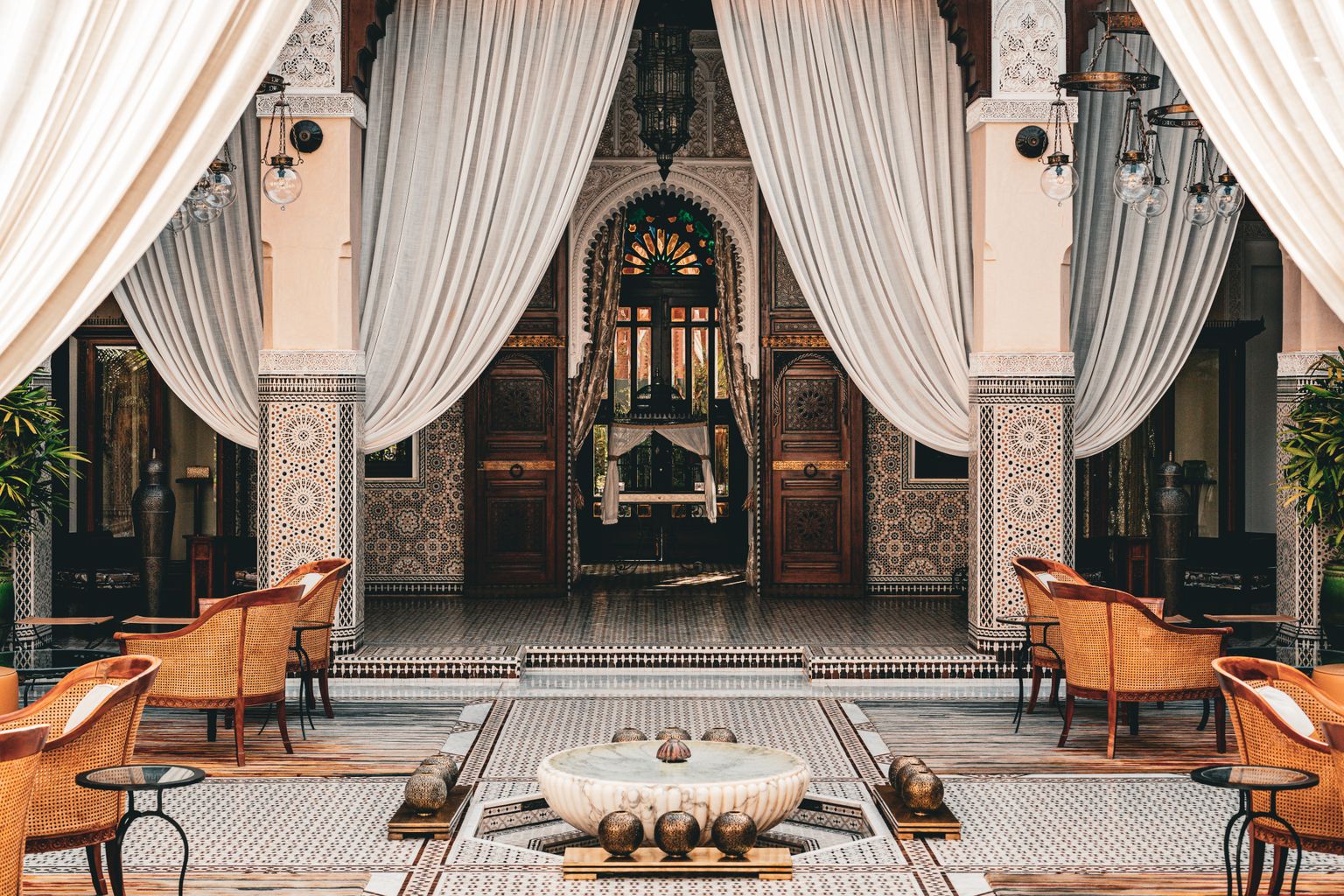
Choose the Right Accommodation
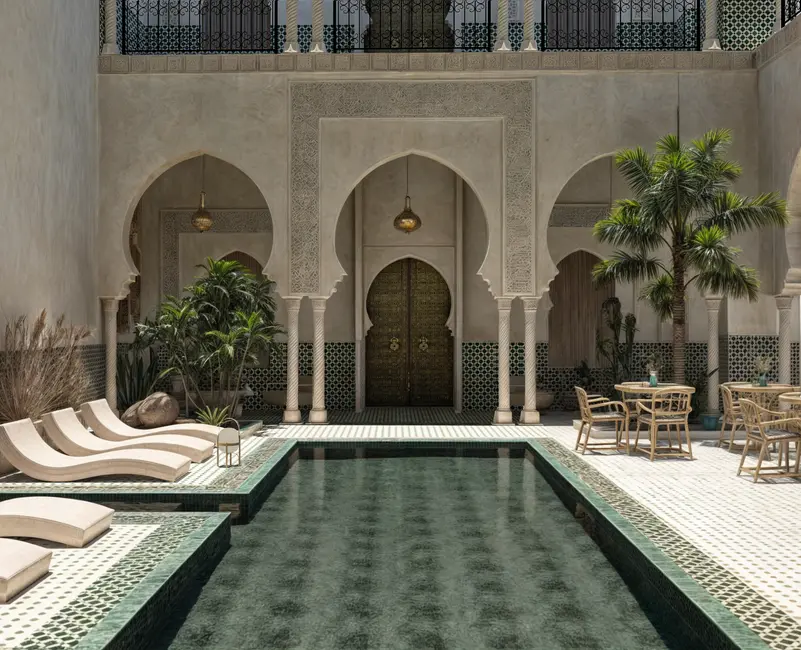
Your riad or hotel can make or break your August trip. Look for properties with air conditioning in every room, preferably with individual thermostat control. Many traditional riads have thick walls and courtyards that stay cool, but check recent reviews for AC performance.
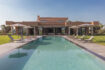
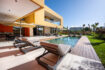
Some budget options only provide fans, which are insufficient during a heatwave. Book a place with a pool—even a small plunge pool offers relief. Top areas to stay are the Hivernage and Gueliz districts, where modern hotels have reliable cooling systems.
For more on choosing the right base, explore our guide on the best palm grove hotels in La Palmeraie.
Plan Your Day Around the Heat
The golden rule: do not be outside between 12:00 PM and 4:00 PM. Use the early morning (6:00 AM – 10:00 AM) for outdoor activities like visiting the Jardin Majorelle, Bahia Palace, or the Saadian Tombs. From 10:00 AM to noon, head indoors. Both obvious refuges are air-conditioned, but check the day before you set off: the Yves Saint Laurent Museum, beside the Jardin Majorelle, opens 10am to 6.30pm and is closed on Wednesdays, with tickets sold online at tickets.jardinmajorelle.com; the Museum of African Contemporary Art Al Maaden (MACAAL) opens 10am to 6pm, 120 MAD, and is closed on Mondays and Tuesdays — it also sits outside the medina, near Sidi Youssef Ben Ali, so it is a taxi ride rather than a walk.
After 4:00 PM, the temperature starts dropping gradually, making it feasible to explore the medina or take a horse-drawn carriage ride. Evening is prime time for the Jemaa el-Fnaa square, which comes alive after sunset. For quieter spots away from the crowds, check our guide to hidden places only locals know in Marrakech.
Stay Hydrated and Electrolyte-Rich
Dehydration is the biggest risk. Drink at least 3 liters of water per day—more if you’re walking. Avoid tap water; stick to bottled water, available everywhere.
Add electrolyte tablets or oral rehydration salts to your water, especially if you sweat heavily. Mint tea, while traditional, is a mild diuretic, so don’t rely on it solely. Carry a reusable water bottle and refill at your riad. Many hotels offer free filtered water.
Dress for the Climate
Wear loose, light-colored, breathable fabrics like cotton, linen, or bamboo. Long sleeves and long pants may seem counterintuitive, but they protect your skin from the sun and reduce heat gain. A wide-brimmed hat and UV-blocking sunglasses are essential.
Avoid synthetic materials that trap heat. A lightweight scarf is useful for covering shoulders at religious sites and, above all, for sun protection — note that mosques in Morocco are closed to non-Muslims, so the Koutoubia is admired from the outside. Check our complete packing guide for what to wear in Marrakech for more detailed advice.
Use Cooling Techniques
Carry a personal fan or misting spray. Many visitors swear by cooling towels that stay cold when wet. Take frequent breaks in air-conditioned cafes or shops.
The medina’s narrow alleys offer some shade, but they also trap heat—move slowly and use the shaded side. If you feel dizzy or nauseous, find a cool spot immediately and sip water. Heat exhaustion can escalate quickly.
Adjust Your Diet
Eat light meals to reduce metabolic heat. Traditional Moroccan salads, fresh fruit (watermelon, melon, oranges), and cold soups like zucchini or tomato gazpacho are excellent. Avoid heavy tagines during the day; save them for dinner.
Street food in Jemaa el-Fnaa can be risky in summer heat—choose stalls with high turnover. Stick to freshly cooked items and avoid anything that looks like it’s been sitting out.
Know When to Stay Indoors
If a heatwave is forecast (temperatures above 44°C/111°F), consider spending the entire afternoon in your air-conditioned room or in a mall. The three that are genuinely built for it are Carré Eden (Gueliz), Menara Mall (Hivernage) and Al Mazar — note that “Marrakech Plaza”, often listed alongside them, is an open commercial square in Gueliz, not an indoor mall. Heat warnings are issued by Morocco’s Direction Générale de la Météorologie, published on marocmeteo.ma.
On extreme days, even locals stay inside. Don’t push yourself to see every sight—your health comes first. For a comprehensive overview of safety, consult our honest safety guide for Marrakech.
Is Marrakech Worth Visiting in August?
Yes, if you plan properly. The city is less crowded, hotel prices are lower, and the evenings are pleasant. You’ll experience a side of Marrakech that summer visitors miss: the quiet, slow-paced rhythm of daily life adjusting to the heat. For a deeper look at local life, read our guide on best areas to live in Marrakech.
Just be realistic about what you can accomplish each day. Aim for one major morning activity, a long lunch break, and an evening exploration. The Ourika Valley makes an excellent day trip: an hour away, and several degrees cooler thanks to altitude and running water. The Ouzoud Waterfalls are cooler still, but they are 150 km from Marrakech, near Azilal — 2.5 to 3 hours each way, so five or six hours in a car on a 40°C day. Leave at dawn or leave it for another season. For more inspiration, see our list of top Marrakech excursions worth booking. You can also find additional ideas for exploring the surrounding landscape in our guide to Agafay Desert activities and camel rides.
FAQ: Marrakech in August
What is the average temperature in Marrakech in August?
Average highs are around 38°C (100°F), with lows around 22°C (72°F) at night. Heatwaves can push daytime temperatures above 45°C (113°F). Humidity is low, typically below 30%.
Can you swim in Marrakech in August?
Yes, most hotels have pools, and many riads offer plunge pools. One thing to be clear about: the basin at the Menara Gardens is not a swimming pool. It is a 12th-century irrigation reservoir that still waters the olive grove, and swimming in it is prohibited. For a real pool, use your riad’s, a hotel day pass, or one of the pool clubs in Hivernage and the Palmeraie. The Atlantic coast (e.g., Essaouira) is a 2.5-hour drive and offers cooler ocean swimming.
What should I pack for Marrakech in August?
Lightweight cotton or linen clothing, a wide-brimmed hat, sunglasses, sunscreen (SPF 50+), a reusable water bottle, electrolyte tablets, a personal fan, and a light jacket for evenings. Comfortable walking shoes are a must.
Is it safe to walk in the medina during the day?
Yes, but take precautions: walk slowly, stay in the shade, carry water, and wear sun protection. The medina’s narrow streets can feel like a furnace by midday, so plan your route to include covered souks and frequent breaks.
Do restaurants and shops have air conditioning?
Many upscale restaurants and shops in Gueliz and Hivernage have AC. In the medina, air conditioning is less common; some riads and cafes have it, but others rely on fans and natural ventilation. Check before you sit down.
Conclusion
Marrakech in August is not for the faint-hearted, but with smart planning, it can be a rewarding and affordable trip. Prioritize your health, respect the heat, and embrace the slow pace. By following these tips, you’ll create lasting memories of the Red City without overheating. Start preparing your itinerary now—book a riad with strong AC and pack your cooling gear.