Marrakech Weather: Month-by-Month Guide for 2026 Travel
Marrakech weather shifts dramatically through the year, from scorching summer heat to chilly winter nights. This month-by-month guide breaks down average temperatures, rainfall, and sunshine hours so you can pack smart and plan activities around the climate. Whether you want blazing sun for pool days or mild weather for exploring the souks, knowing what to expect each month ensures a comfortable trip.
Overview of Marrakech Climate
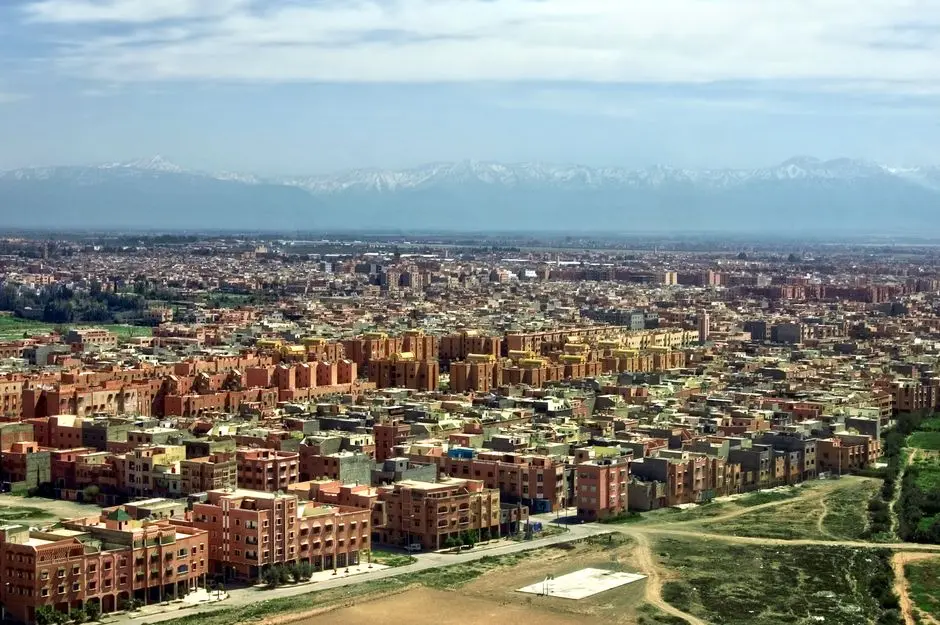
Marrakech has a semi-arid climate with hot summers and mild winters; the city sits inland near the Atlas Mountains, which block moisture and create wide temperature swings between day and night. Summer often exceeds 40°C (104°F) from June to August, while winter nights can drop to 5°C (41°F), making spring and autumn the most pleasant for outdoor activities. For official tourism information, visit Visit Marrakech.
January
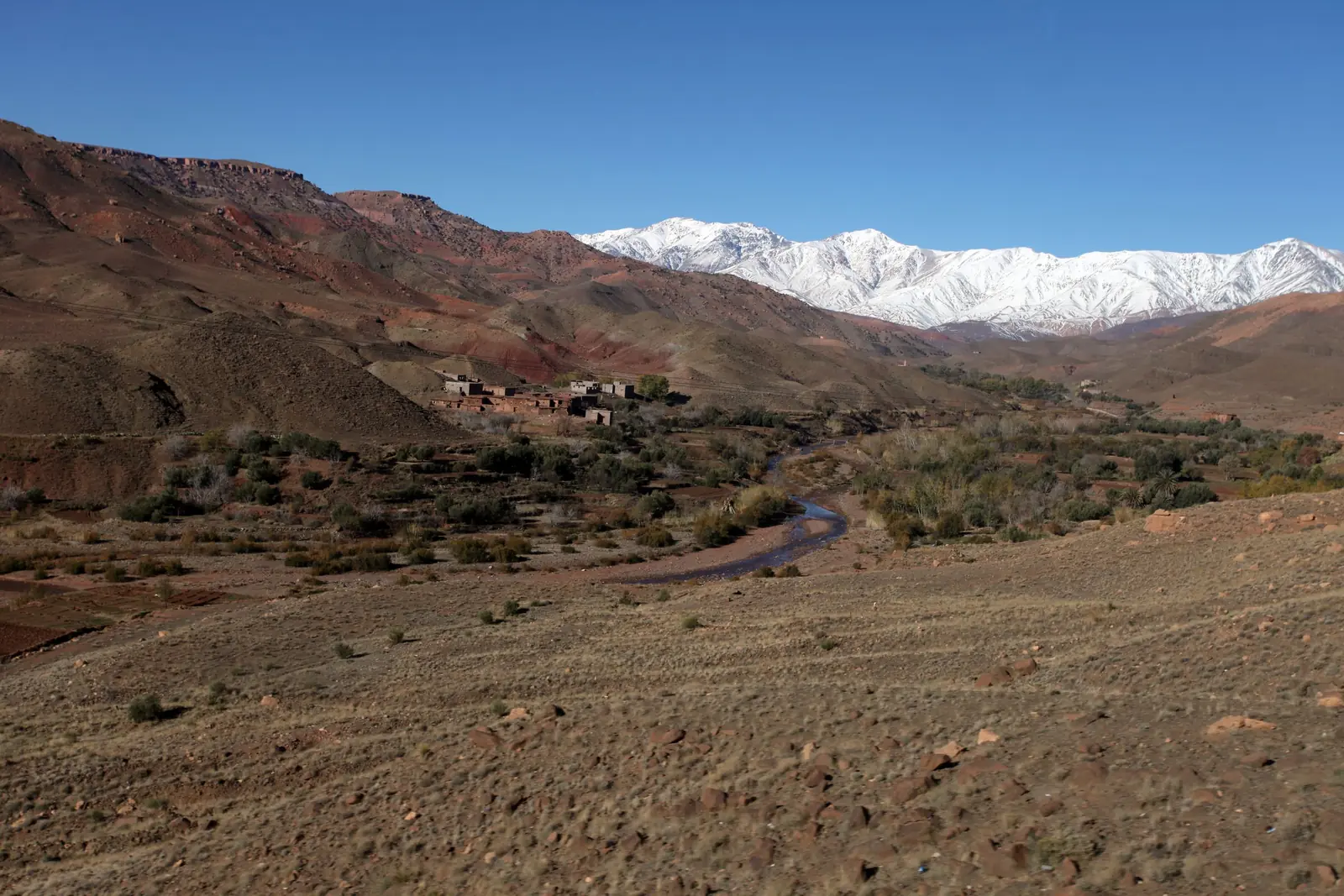
January is the coldest month in Marrakech, with daytime highs averaging 18°C (64°F) and night lows around 6°C (43°F). Rainfall measures about 25 mm over 3 days of 1 mm or more, while sunshine averages 7 hours per day. Pack layers for warm days and cool evenings — it is a quiet tourism month ideal for medina exploration, and the Atlas Mountains often have snow for a day trip. If you plan to swim in winter, see our villas with a heated pool.
February
February remains cool but starts warming, with highs of 20°C (68°F) and lows of 8°C (46°F). Rainfall is similar to January, at about 26 mm over 3 to 4 days of 1 mm or more, and sunshine increases to 8 hours. Outdoor sightseeing is comfortable, though evenings still require a coat, and the almond trees bloom in the Ourika Valley for a popular excursion.
March
Spring begins with daytime temperatures climbing to 23°C (73°F) and lows around 10°C (50°F). March is the wettest month of the year, with about 35 mm over 4 to 5 days, but sunshine still averages about 8 hours. March offers a good balance for hiking in the Atlas Mountains or visiting Jardin Majorelle, with a light jacket needed for evenings.
April
April brings warmer weather with highs of 26°C (79°F) and lows of 12°C (54°F), rainfall easing to about 26 mm over 3 days and sunshine averaging 9 hours. The city is lush from spring rains, making this one of the best months for sightseeing with comfortable temperatures and blooming gardens. Light clothing works, but a sweater for evening is useful.
May
May is hot but not extreme, with highs reaching 30°C (86°F) and lows 15°C (59°F). Rainfall is low at about 10 mm over 1 to 2 days, while sunshine averages 10 hours. The heat builds but mornings and evenings remain pleasant — ideal for poolside relaxation and early medina exploration.
June
Summer starts in earnest with daytime highs averaging 34°C (93°F) and lows around 18°C (64°F), with nearly zero rainfall and 12 hours of sunshine. The heat is intense by midday, so plan indoor activities or siestas; many riads have pools. It is a good time for budget travelers as prices drop, so pack sun protection, a hat, and light cotton clothing.
July
July is the hottest month, with highs averaging 38°C (100°F) and lows around 21°C (70°F), almost no rainfall, and 11 hours of sunshine. Sightseeing is best done early morning or after sunset as the heat can be oppressive; in early July the National Festival of Popular Arts brings folk troupes from across Morocco to the city. If you visit, stay in a riad with air conditioning and a pool, or escape to the cooler Atlas Mountains. More tips for the hottest month in our guide to Marrakech in July.
August
August remains extremely hot, similar to July, with highs averaging 37°C (99°F) and lows 21°C (70°F), negligible rainfall and 10 hours of sunshine. Many locals leave for coastal cities, so accommodation is cheap in low season. Stay hydrated and avoid midday sun, or consider a trip to cooler Essaouira on the coast.
September
September brings relief with highs dropping to 33°C (91°F) and lows to 19°C (66°F), rainfall still low (about 15 mm on average, usually on just one or two days) and sunshine averaging 9 hours. Early September can still be very hot, but by the end of the month it becomes pleasant for outdoor activities. The city starts to fill up again as autumn approaches.
October
October is one of the best months, with highs averaging 28°C (82°F) and lows 15°C (59°F), rainfall increasing to about 19 mm over 2 to 3 days and sunshine 8 hours. The weather is warm but not hot, perfect for exploring. Pack layers — days are warm, evenings cool, and it is peak season so book ahead.
November
November becomes cooler with highs reaching 23°C (73°F) and lows 10°C (50°F), rainfall rising to about 30 mm over 4 days and sunshine 8 hours. It remains pleasant for most activities, though a jacket is needed for evenings. Late November usually brings the opening of the Marrakech International Film Festival (it runs from late November into early December), and it remains a good month for cultural visits and hiking.
December
December offers mild days with highs of 19°C (66°F) and chilly nights around 7°C (45°F), with about 24 mm of rain over 4 days and 7 hours of sunshine. The city is festive with Christmas and New Year decorations — see our Marrakech in December guide for holiday events. Pack warm layers for evenings; daytime is comfortable for sightseeing, and the snow-capped Atlas Mountains provide a scenic backdrop.
Best Time to Visit Marrakech
The best time for most travelers is spring (March to May) and autumn (October to November) — for deeper planning, check our guide to the best seasons to visit Marrakech. For hot-weather lovers, June and September provide intense sun with fewer crowds. Winter suits budget travelers and those preferring mild days, while July and August are best only if prepared for extreme heat.
FAQ
What is the hottest month in Marrakech?
July is the hottest month, with average highs of about 38°C (100°F) and occasional peaks above 45°C (113°F). It is also the driest, with virtually no rainfall.
Does it snow in Marrakech?
Snow is extremely rare in the city itself, but the nearby Atlas Mountains receive snowfall from December to February, offering a popular day-trip destination.
What should I pack for Marrakech in winter?
Pack layers: lightweight clothing for warm days, a warm jacket or sweater for chilly evenings, and comfortable walking shoes. A scarf is useful for covering shoulders in religious sites.
Is Marrakech humid?
No, Marrakech has a dry, semi-arid climate. Relative humidity is low in summer (under 50% in July and August) and moderate in winter (around 65%), which makes the heat more tolerable but can cause dry skin and dehydration.
When is the rainy season in Marrakech?
Rainfall is highest from November to April, but even then it averages only about 25–35 mm per month, with March the wettest. Showers are usually short and do not disrupt travel plans.
Conclusion
Marrakech weather offers something for every traveler, from scorching summers to mild winters. Use this month-by-month guide to choose the best time for your interests and comfort. Book your accommodation early for peak seasons, and always check the forecast before packing.