Top Marrakech Attractions: 15 Must-See Places in 2026
Updated
Top Marrakech attractions promise an unforgettable journey through bustling souks, historic monuments, and serene gardens. Whether you’re a first-time visitor or returning to explore deeper, this guide covers the must-see places and hidden gems that make the city essential.
With over 3 million tourists annually, Marrakech is Morocco’s most-visited city. Its UNESCO-listed medina, lively squares, and serene gardens offer something for every traveler. This guide to Marrakech attractions includes practical tips and local insights to help you make the most of your trip.
Jemaa el-Fnaa: The Heartbeat of Marrakech
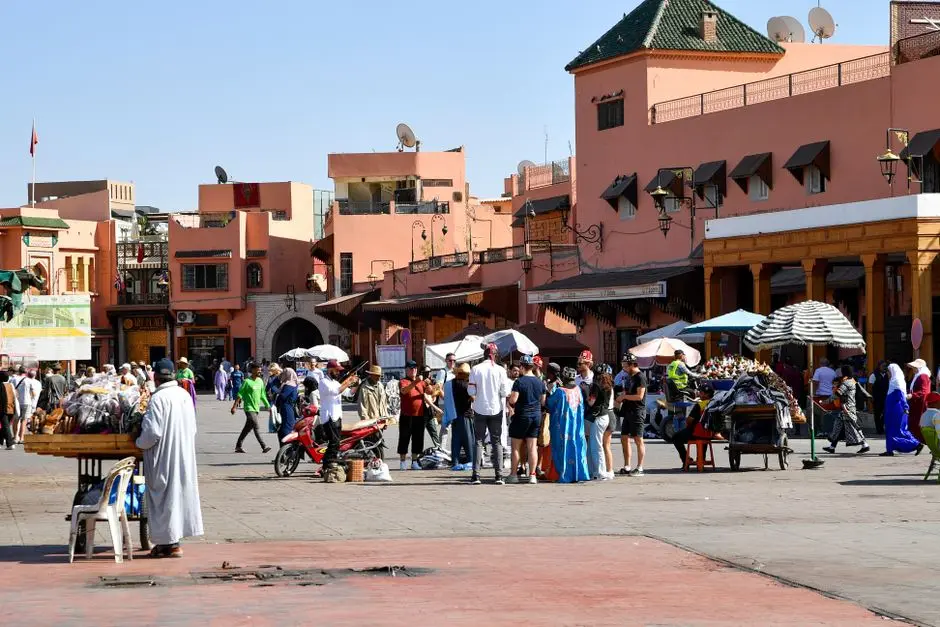
Jemaa el-Fnaa is the city’s main square and a UNESCO World Heritage site. By day, it’s a bustling hub of orange juice stalls, snake charmers, and henna artists. As evening falls, the square transforms into an open-air food market with dozens of stalls serving Moroccan delicacies like tagine, couscous, and grilled meats.
Visiting Jemaa el-Fnaa is a sensory overload in the best way. You’ll hear the calls of storytellers, smell the aromatic spices, and see the vibrant colors of traditional dress. It’s the perfect starting point for exploring the medina’s winding alleys.
The Medina: A Labyrinth of Souks and History
The medina of Marrakech is a maze of narrow streets, bustling souks, and hidden riads. It’s a UNESCO World Heritage site and home to thousands of shops selling everything from leather goods to lanterns. Getting lost in the medina is part of the charm, but it’s wise to check our guide to getting around Marrakech before you set out.
Must-visit souks include Souk Semmarine for textiles, Souk El Attarine for spices and perfumes, and Souk Smata for traditional slippers. Bargaining is expected, so come prepared to haggle for the best prices.
Majorelle Garden: A Blue Oasis
Created by French painter Jacques Majorelle in the 1920s and later owned by Yves Saint Laurent, Majorelle Garden is a botanical masterpiece. The garden features exotic plants from five continents, vibrant blue buildings, and peaceful water features. It’s one of the most photographed spots in Marrakech.
The garden remains one of the most visited sites in the city. The on-site Berber Museum and the nearby Yves Saint Laurent Museum offer deeper cultural insights.
Koutoubia Mosque: The Iconic Landmark
The Koutoubia Mosque is the largest mosque in Marrakech and a symbol of the city. Its 77-meter minaret dominates the skyline and can be seen from miles away. Built in the 12th century, the mosque is a masterpiece of Almohad architecture.
Non-Muslims cannot enter the mosque, but the surrounding gardens are open to all and offer a peaceful retreat. The best views are from the nearby Jemaa el-Fnaa or from rooftop terraces.
Bahia Palace: A 19th-Century Marvel
Bahia Palace is a stunning example of Moroccan architecture and design. Built in the late 19th century, the palace features intricate stucco work, colorful zellige tiles, and lush courtyards. It was intended to be the greatest palace of its time, and it doesn’t disappoint.
Visitors can wander through the grand rooms, admire the cedar wood ceilings, and relax in the serene gardens. It’s a must-see for history and architecture lovers.
Saadian Tombs: A Rediscovered Treasure
The Saadian Tombs date back to the 16th century and were rediscovered in 1917. They are the final resting place of the Saadian dynasty, and their intricate decoration is breathtaking. The tombs are located in the Kasbah district and are a popular attraction. See our Saadian Tombs visiting guide for history and practical tips.
Entry is inexpensive, and the site is well-maintained. Go early to avoid crowds and capture the beauty in peace.
El Badi Palace: Ruins of Grandeur
El Badi Palace was once a magnificent palace with 360 rooms, but today it lies in ruins. Despite this, its vast courtyard, sunken gardens, and ancient walls evoke a sense of past glory. The palace also hosts the Koutoubia Minbar, an exquisite example of Islamic woodwork.
Climb to the top of the walls for panoramic views of the medina and the Atlas Mountains on a clear day.
Ben Youssef Madrasa: A Historic Islamic College
Ben Youssef Madrasa was one of the largest Islamic colleges in North Africa, founded in the 14th century. It was restored and reopened to the public in 2022, and it remains a must-visit. The madrasa features stunning architecture, including a central courtyard with a reflecting pool and intricate carvings.
It’s a peaceful escape from the busy souks and a testament to Morocco’s rich educational and religious history.
The Souks: Shopping Paradise
The souks of Marrakech are a shopper’s dream, offering everything from leather goods to spices, ceramics, and textiles. Each souk specializes in a particular craft, and wandering through them is an adventure in itself. The scent of cedarwood, spice, and leather fills the narrow lanes.
Don’t miss the chance to buy authentic Moroccan products like argan oil, carpets, and lanterns. Remember to bargain politely and enjoy the experience.
Jardin Secret: A Hidden Gem
Jardin Secret is a restored garden in the heart of the medina. It offers a tranquil escape with exotic plants, water features, and a rooftop terrace with views over the city. The garden is divided into two parts: an exotic garden and an Islamic garden, each with its own charm.
It’s a great spot to relax and take a break from the hustle and bustle.
Menara Gardens: A Serene Retreat
Menara Gardens are located just outside the city walls and are a popular spot for locals and tourists alike. The centerpiece is a large reflecting pool and a pavilion with a pyramid-shaped roof. The gardens are surrounded by olive groves and offer stunning views of the Atlas Mountains.
It’s a perfect place for a picnic or a leisurely stroll, especially at sunset.
Agdal Gardens: An Ancient Orchard
Agdal Gardens are another historic garden, dating back to the 12th century. They cover some 340 hectares of orchards, olive groves and water basins. The gardens are a peaceful escape from the city’s chaos.
While not as manicured as Menara Gardens, they offer a more authentic experience. The regional tourism council gives them as open to visitors from Friday to Sunday.
The Mellah: The Jewish Quarter
The Mellah is the old Jewish quarter of Marrakech, established in the 16th century. It’s a fascinating area to explore, with its narrow streets, historic synagogues, and a cemetery. The Mellah is also known for its spice and textile markets.
Visit the Lazama Synagogue and the Jewish Cemetery to learn about the city’s diverse history.
Gueliz: The Modern District
Gueliz is the modern part of Marrakech, filled with contemporary art galleries, trendy cafes, and upscale boutiques. It’s a contrast to the old medina and offers a glimpse of modern Moroccan life.
Visit the Yves Saint Laurent Museum, which houses a collection of the designer’s work, or browse the art galleries on Rue de la Liberté.
Day Trips from Marrakech
Marrakech is an excellent base for exploring the surrounding region. Popular day trips from Marrakech include the Ourika Valley, the Ouzoud Waterfalls, and the coastal town of Essaouira. Each offers a different perspective on Morocco’s diverse landscapes.
For adventure seekers, a trip to the Atlas Mountains for trekking or a desert excursion to the Sahara is unforgettable. Many tour operators offer guided trips from Marrakech.
Practical Tips for Visiting Marrakech Attractions
- Best time to visit: Spring (March-May) and autumn (September-November) offer pleasant temperatures. Summers can be scorching, and winters are mild but cooler at night.
- Dress modestly: While Marrakech is relatively liberal, it’s respectful to cover shoulders and knees when visiting religious sites.
- Stay hydrated: The dry climate can be dehydrating, so carry water with you.
- Bargain wisely: Haggling is expected in the souks, but do it with a smile and a fair price.
- Use official guides: For a deeper understanding of the history, consider hiring a licensed guide or checking the official Marrakech tourism site for visitor updates.
Frequently Asked Questions
What is the best time to visit Marrakech?
The best time to visit Marrakech is during spring (March to May) and autumn (September to November) when temperatures are moderate and pleasant. Summer can be extremely hot, while winter nights can be cold.
How many days do you need to see the top attractions?
To see the main attractions, plan for at least 3 to 4 days. This allows time to explore the medina, visit the gardens and palaces, and take a day trip.
Is Marrakech safe for tourists?
Marrakech is generally safe for tourists, but like any major city, it’s important to stay aware of your surroundings. Avoid walking alone at night in quiet areas and keep valuables secure.
Can you drink tap water in Marrakech?
It’s not recommended to drink tap water in Marrakech. Stick to bottled water, which is widely available and affordable.
What should I wear when visiting religious sites?
When visiting mosques or religious sites, dress modestly by covering shoulders and knees. Women may also want to carry a scarf to cover their hair if required.
Conclusion
Marrakech is a city of contrasts, where ancient traditions blend seamlessly with modern life. From the bustling Jemaa el-Fnaa to the serene Majorelle Garden, these Marrakech attractions offer a rich tapestry of experiences. By following this guide, you’ll be well-equipped to explore the best the city has to offer.
Ready to experience the magic of Marrakech? Book your trip today and create memories that will last a lifetime.