15 Best Things to Do in Marrakech: A Complete Guide for 2026
Discover the best things to do in Marrakech, from the labyrinthine souks of the Medina to the serene gardens of the Majorelle. This guide covers the top attractions and experiences for an unforgettable visit to Morocco’s vibrant imperial city.
Explore the Medina and Jemaa el-Fnaa
The heart of Marrakech is its UNESCO-listed Medina, a walled old city teeming with life. At its center lies Jemaa el-Fnaa, a bustling square that transforms from a daytime market into a nighttime food and entertainment hub. By day, you’ll find snake charmers, orange juice stalls, and henna artists; after sunset, the air fills with smoke from dozens of food stalls serving grilled meats, snails, and traditional Moroccan dishes. According to UNESCO, Jemaa el-Fnaa is recognized as a Masterpiece of the Oral and Intangible Heritage of Humanity.
Navigate the Souks
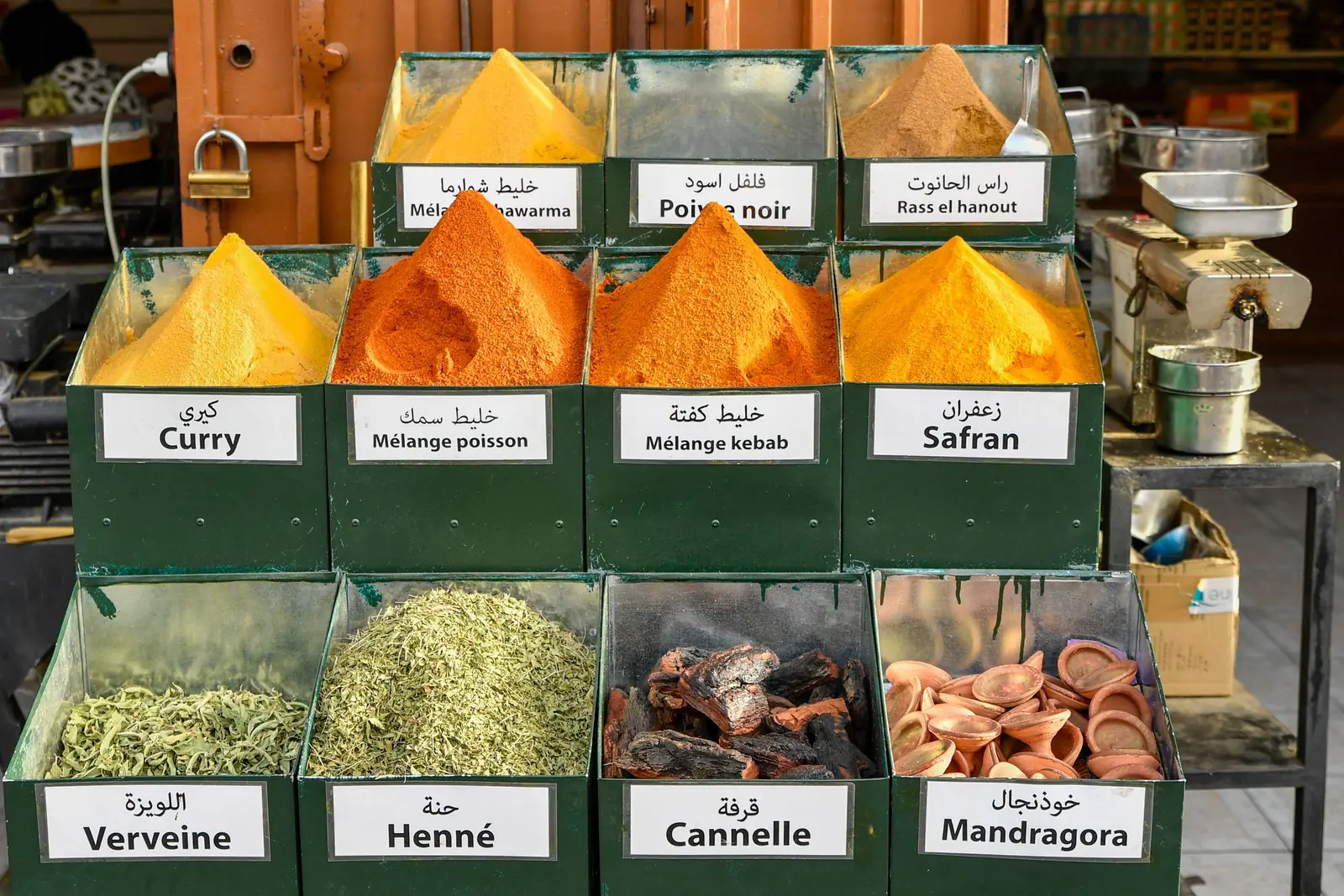
Wandering into the narrow alleys of the souks is one of the best things to do in Marrakech. The market is divided into distinct areas: Souk Semmarine for textiles and clothing, Souk el-Attarine for spices and perfumes, and Souk des Bijoutiers for jewelry. Haggling is expected; start offers at about half the asking price. Most shops open daily from mid-morning until the evening, though many close for Friday midday prayers.
Visit the Majorelle Garden and Yves Saint Laurent Museum
Created by French painter Jacques Majorelle in the 1920s and later restored by fashion designer Yves Saint Laurent, the Majorelle Garden is a botanical oasis featuring exotic plants, vibrant blue buildings, and peaceful pathways. The garden remains one of the most visited sites in Marrakech. Adjacent is the Yves Saint Laurent Museum, opened in 2017, which showcases the designer’s work and his connection to Morocco. The garden’s entrance fee is 170 MAD, and the museum (closed on Wednesdays) has its own ticket. Tickets are sold online only, so book before you go. For current details and tickets, use the garden’s official website, jardinmajorelle.com.
Discover the Bahia Palace and Saadian Tombs
The Bahia Palace, built in the late 19th century, is a masterpiece of Moroccan architecture with intricate stucco work, marble floors, and a sprawling garden. Its name means ‘brilliance’ in Arabic. The main palace covers almost 2 hectares and has about 150 rooms. A short walk away are the Saadian Tombs, dating from the 16th century. Rediscovered in 1917, the tombs feature ornate mausoleums and gardens. Foreign adults pay 100 MAD for the Bahia Palace and 100 MAD for the Saadian Tombs (prices since June 2024). Both are open daily from 9:00 AM to 5:00 PM.
Take a Food Tour or Cooking Class
Moroccan cuisine is a highlight of any visit. Join a guided food tour to sample street food like briouats, msemen, and tagine. Alternatively, take a cooking class where you’ll learn to prepare traditional dishes such as couscous, pastilla, and harira. Many classes include a visit to a local market to buy fresh ingredients. Prices range from 500 to 1,000 MAD per person. Cooking classes are available in English and French, and some offer vegetarian options.
Experience a Hammam
A traditional Moroccan hammam is a steam bath and exfoliation ritual integral to local culture. Public hammams are inexpensive (around 20 MAD) but basic; luxury spa hammams offer a more comfortable experience with private rooms and argan oil massages. The most famous luxury hammam is Les Bains de Marrakech, but many riads also offer hammam services. A typical session lasts 1-2 hours and costs from about 300 MAD in a mid-range spa to well over 1,000 MAD in a palace hotel.
Visit the Ben Youssef Madrasa
Built in 1564–65 on the site of a 14th-century madrasa, the Ben Youssef Madrasa was once the largest Islamic college in North Africa, housing up to about 800 students. Its restored courtyard features intricate zellij tilework, carved cedar wood, and a reflecting pool. The madrasa closed for renovations and has since reopened; it remains a must-see. Entrance fee is 50 MAD for foreign adults. The site is open daily from 9:00 AM to 7:00 PM.
Explore the Mellah (Jewish Quarter)
The Mellah, Marrakech’s historic Jewish quarter, dates back to the 16th century. Key sites include the Lazama Synagogue, which also displays the history of Morocco’s Jewish communities, and the Miâara Jewish Cemetery, the largest in Morocco, with over 20,000 graves. The Mellah offers a quieter, more residential atmosphere than the souks, with artisan workshops and spice shops.
Day Trip to the Atlas Mountains
Just an hour’s drive from Marrakech, the High Atlas Mountains offer hiking, Berber village visits, and stunning scenery. Popular day trips include the Ourika Valley, known for waterfalls and terraced gardens, and the Toubkal National Park, home to North Africa’s highest peak, Mount Toubkal (4,167 meters). Many tours include lunch with a Berber family. Prices for group tours start at 300 MAD per person. Bring sturdy shoes and warm clothing, as temperatures drop at altitude. For more ideas, see our guide to the best day trips from Marrakech.
Visit the Museum of Marrakech and Maison de la Photographie
The Museum of Marrakech, housed in the Dar Menebhi palace, built around 1900, displays contemporary and traditional Moroccan art. The Maison de la Photographie showcases vintage photographs of Morocco from the 1870s to the 1950s, offering a fascinating glimpse into the country’s past. Both museums are located in the Medina. The Maison de la Photographie is open daily from 9:30 AM to 7:00 PM and charges 80 MAD for adults (free for under-15s).
Relax in the Menara Gardens
The Menara Gardens, dating from the 12th century, feature a large reflecting pool, olive groves, and a pavilion set against the backdrop of the Atlas Mountains. It’s a peaceful spot for a picnic or a stroll. Check the opening hours and the pavilion fee on site. The best time to visit is late afternoon when the light is golden.
Shop at the Ensemble Artisanal
For souvenir shopping without the haggling pressure, visit the Ensemble Artisanal, a government-run cooperative where craftsmen work on-site. You’ll find high-quality leather goods, pottery, carpets, and metalwork at fixed prices. It’s located near the Koutoubia Mosque. Open Monday to Saturday, 9:00 AM to 7:00 PM.
Visit the Koutoubia Mosque
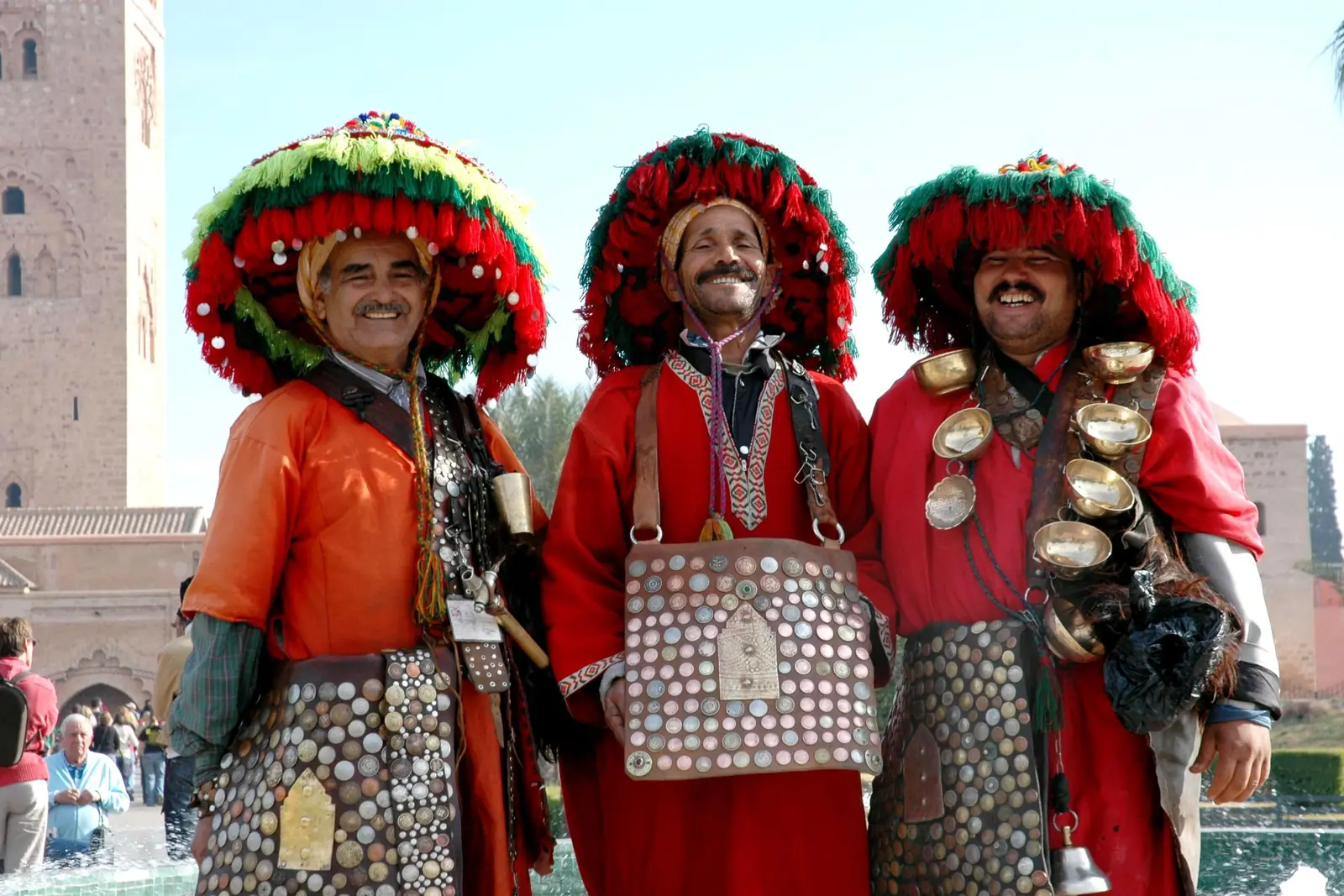
The Koutoubia Mosque is the largest mosque in Marrakech, with a 77-meter minaret that is a landmark of the city. Built in the 12th century, it is a prime example of Almohad architecture. Non-Muslims cannot enter the mosque, but the gardens around it are open to all. The mosque is best viewed from the square or from rooftop cafes. The gardens are free and open from sunrise to sunset.
Attend a Traditional Fantasia Show
A fantasia is a traditional Moroccan equestrian performance featuring riders in historical costumes firing muskets in unison. Several venues near Marrakech offer dinner shows with fantasia, such as Chez Ali in the Palmeraie. The show typically includes Moroccan food, music, and dancing. Prices range from 300 to 600 MAD per person. Book in advance as shows fill up during peak season.
Explore the Palmeraie
The Palmeraie is a vast palm grove on the outskirts of Marrakech, covering over 13,000 hectares with more than 100,000 palm trees. Activities include camel rides, quad biking, and hot air balloon rides. A hot air balloon ride at sunrise offers breathtaking views of the city and the Atlas Mountains, with prices that vary by operator and season; agree on the price and duration of camel rides before you set off.
Frequently Asked Questions
What is the best time to visit Marrakech?
The best time to visit Marrakech is in spring (March to May) or autumn (September to November) when temperatures are mild, averaging 20-30°C. Summer (June to August) can be extremely hot, exceeding 40°C, while winter (December to February) is cooler, with lows around 5°C at night.
How many days do you need in Marrakech?
Three to four days is ideal to see the main attractions at a relaxed pace. This allows time for the Medina, palaces, gardens, a hammam, and a day trip to the Atlas Mountains.
Is Marrakech safe for tourists?
Marrakech is generally safe for tourists, but petty crime like pickpocketing and scams can occur in crowded areas. Stay vigilant, keep valuables secure, and avoid walking alone in poorly lit streets at night. The US Department of State rates Morocco as Level 2: Exercise Increased Caution.
What should I wear in Marrakech?
Dress modestly, especially in the Medina and religious sites. Women should cover shoulders and knees. Lightweight, breathable fabrics are recommended due to heat. In winter, bring a jacket for cool evenings.
Do I need to tip in Marrakech?
Tipping is common. In restaurants, 10% is standard. For guides, 50-100 MAD per person for a half-day tour is appropriate. Small tips (5-10 MAD) for bathrooms attendants and porters are appreciated. For a complete guide, see our tipping in Morocco page.
Conclusion
Marrakech offers an unforgettable travel experience with its rich history, vibrant culture, and warm hospitality. Whether you’re exploring ancient palaces, bargaining in the souks, or savoring a tagine, the best things to do in Marrakech cater to every traveler. Plan your itinerary with this guide and book accommodations early, especially during peak seasons. For more travel tips, visit the official Moroccan National Tourist Office website at https://www.visitmorocco.com. Start planning your adventure today!