Where to Eat in Marrakech Medina: 2026 Food Guide
Where to eat in Marrakech Medina: from the sizzling food stalls of Jemaa el-Fnaa to hidden riad courtyards, this guide helps you find the best places to eat in Marrakech without the guesswork. You’ll get street-level picks, essential dishes, and practical dining tips for the city’s historic core.
In short, the best places to eat in Marrakech Medina include Jemaa el-Fnaa’s food stalls for authentic street food, Nomad for modern Moroccan cuisine, Le Jardin for a serene garden setting, and Dar Cherifa for upscale traditional dishes in a 16th-century house. For a truly local experience, venture into the side streets to find tiny eateries serving steaming bowls of harira and freshly baked khobz.
Understanding Marrakech Medina’s Food Scene
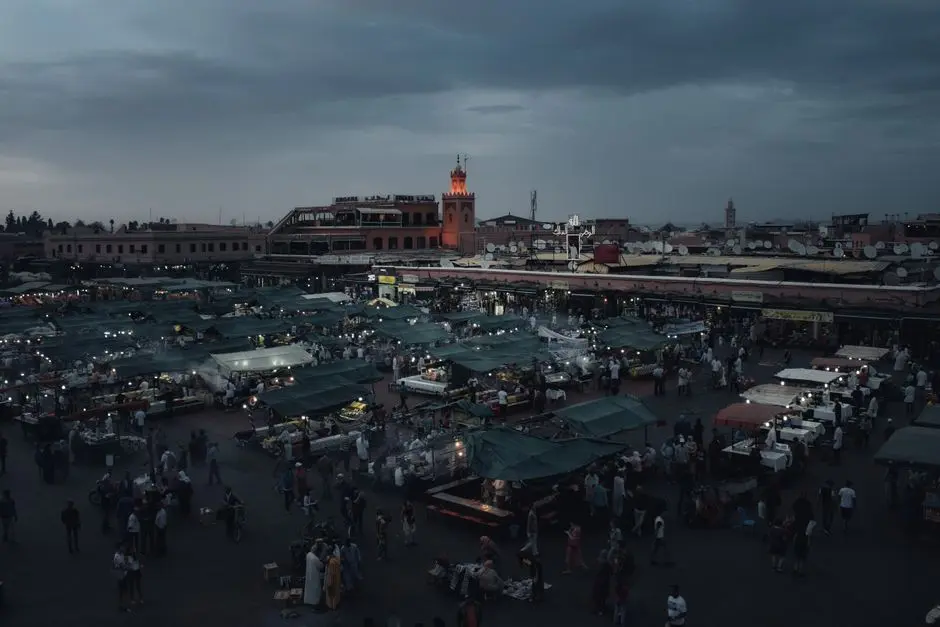
Understanding where to eat in Marrakech Medina begins with its setting: the Medina is the historic heart of Marrakech, a UNESCO World Heritage site and a bustling hub of culture and cuisine. Its food scene is a blend of Berber, Arab, and French influences, creating a unique gastronomic identity. The main square, Jemaa el-Fnaa, transforms into a massive open-air kitchen at dusk, but the real treasures are hidden in the narrow alleys.
When exploring, expect a variety of dining options: from street food stalls serving quick bites to sit-down restaurants offering multi-course meals. Prices vary, but eating at street stalls is generally inexpensive, while rooftop restaurants can be pricier.
Top Street Food Spots in the Medina
Street food is the soul of Marrakech’s culinary scene. Here are the must-try spots:
- Jemaa el-Fnaa Food Stalls: The central square is a UNESCO-listed cultural space. At night, dozens of stalls serve grilled meats, seafood, and traditional grills. Choose stalls with high turnover to ensure freshness. The square is also a great place to try snail soup (babbouche) or sheep’s head for the adventurous.
- Chez Chegrouni: Located on the edge of the square, this popular spot is known for its affordable tagines and pastilla. It’s a favorite among locals and tourists alike, offering a chance to eat while people-watching.
- Bakery on Rue Bab Agnaou: For a quick breakfast, grab a freshly baked khobz (Moroccan bread) or msemen (flaky pancake) from a local bakery. These are often served with honey or cheese.
- Juice Stalls on Jemaa el-Fnaa: Fresh orange juice is a staple. Look for stalls that squeeze oranges to order—the sweet, pulpy juice is a refreshing break from the heat.
Iconic Restaurants in the Medina
For a sit-down meal, these restaurants have earned their reputation:
Nomad
Perched on a rooftop with views of the Medina, Nomad offers contemporary Moroccan cuisine with a twist. Their Nomad burger, of spiced beef and lamb, and their slow-braised lamb shank tagine are crowd-pleasers. The restaurant emphasizes locally sourced ingredients and modern presentation.
Le Jardin
At 32 Souk Sidi Abdelaziz, a 1960s riad turned green oasis, Le Jardin serves Moroccan and European dishes daily from 11 AM to 11 PM. The menu includes fresh salads, grilled meats, and vegetarian options. It’s a peaceful escape from the bustling streets.
Al Fassia (in Guéliz, worth the taxi)
Al Fassia is not in the medina: it opened in Guéliz in 1987, at 55 boulevard Mohammed Zerktouni, and has a second dining room, Al Fassia Aguedal, at km 2 on the Ourika road. It is worth the ten-minute taxi ride: the kitchen and the dining room are staffed entirely by women, and the tagines, couscous and pigeon pastilla have kept it full for nearly forty years. Book your table in advance.
Cafe Clock
A cultural hub at 224 Derb Chtouka, in the Kasbah near the Saadian Tombs, Cafe Clock is the home of the camel burger and also serves tagines and runs cooking classes. It’s a great place to meet travelers and locals, with regular events like storytelling and live music.
Hidden Gems and Local Favorites
Beyond the well-known spots, the Medina is full of hidden gems:
- Bessara counters near Bab Doukkala: the medina’s cheapest breakfast is a bowl of bessara, the thick broad-bean soup, poured over bread with olive oil and cumin at the small counters that open at dawn around the northern gates.
- Dar Cherifa: A beautifully restored riad serving traditional dishes in a historic setting. Their lamb with prunes and almonds is a must-try.
- La Maison Arabe: While known for its cooking school, its restaurant serves excellent Moroccan cuisine in a romantic courtyard. Try their chicken tagine with preserved lemons.
- Street stalls in the Souks: Wander through the souks and you’ll find stalls selling boiled chickpeas, roasted nuts, and grilled corn. These make for perfect snacks while shopping.
What to Eat: Must-Try Dishes
Where to eat in Marrakech Medina matters less than what you order once you sit down. Sample these iconic dishes:
- Tagine: A slow-cooked stew named after the clay pot it’s cooked in. Varieties include chicken with olives, lamb with prunes, and vegetable tagine.
- Couscous: Traditionally served on Fridays, this steamed semolina dish is topped with vegetables and meat. Look for places that make it fresh.
- Pastilla: A sweet-savory pie made with thin pastry, filled with pigeon or chicken, almonds, and cinnamon, dusted with powdered sugar.
- Harira: A hearty tomato and lentil soup, often eaten to break the fast during Ramadan. Available year-round at many eateries.
- Mechoui: Slow-roasted lamb, often sold by weight at street stalls. It’s tender, flavorful, and best eaten with bread.
- Mint Tea: The national drink, served with fresh mint and lots of sugar. Enjoy it at any café or restaurant.
Dining Tips for the Medina
- Go Local: The best way to decide where to eat in Marrakech Medina is to follow locals. If a place is full of Moroccans, it’s likely good and reasonably priced.
- Bargain at Stalls: Prices at street stalls may be inflated for tourists. Agree on a price before ordering.
- Stay Hydrated: Stick to bottled water. Fresh juice is safe, but avoid ice unless it’s made from filtered water.
- Watch for Scams: Be wary of touts who offer to take you to a “friend’s restaurant”—they often receive commissions, and the food may be overpriced.
- Check Hygiene: Look for busy stalls with high turnover. Freshly cooked food is safer than pre-prepared items.
- Reserve for Rooftops: Popular rooftop spots fill up quickly, especially at sunset. Book ahead to secure a table.
Dietary Options: Vegetarian, Vegan, and Gluten-Free
While Moroccan cuisine is meat-heavy, there are plenty of options for vegetarians and vegans. Many tagines can be made with vegetables, and couscous with vegetables is a common dish. Vegans will find lentil soup, salads, and grilled vegetables on most menus.
Gluten-free travelers can enjoy rice dishes, grilled meats, and fresh fruits, but must be cautious with couscous and bread. Some restaurants label their dishes clearly: NOMAD marks every item vegetarian, vegan or gluten-free, and Le Jardin keeps a separate vegetarian and vegan list.
Food Tours and Cooking Classes
To truly immerse yourself, consider a food tour or cooking class. Several reputable companies offer guided tours of the Medina’s food markets, where you can sample local specialties and learn about the culture.
Cooking classes, such as those at La Maison Arabe, teach you to prepare traditional dishes. La Maison Arabe runs three-hour workshops and one-hour express classes, at the hotel or at its Country Club in the Palmeraie; only its five-day programme includes a market visit, so ask before you book if shopping the souk matters to you.
Where to Find the Best Moroccan Sweets
End your meal on a sweet note. Look for pastry shops (pâtisseries) selling:
- Chebakia: Sesame cookies coated in honey, especially popular during Ramadan.
- Briouat: Flaky pastries filled with almonds or peanuts, often shaped into triangles.
- Sellou: A dense mixture of roasted flour, almonds, and sesame, sometimes called “Moroccan power bars.”
One famous spot is Pâtisserie des Princes, near Jemaa el-Fnaa, known for its fresh pastries and sweets.
Safety and Etiquette
Eating in the Medina is generally safe, but follow common sense. Always wash your hands or use hand sanitizer before eating.
When dining at a restaurant, it’s customary to tip around 10% for good service. In street stalls, rounding up the bill is appreciated. Dress modestly, especially when visiting more traditional establishments.
FAQ
Is it safe to eat street food in Marrakech Medina?
Yes, street food is generally safe if you choose busy stalls with high turnover. Look for freshly cooked items and avoid anything that has been sitting out for a long time. Stick to bottled water and avoid ice unless it’s from a trusted source.
What is the typical cost of a meal in the Medina?
Street food snacks can cost as little as 10-20 MAD (about $1-2). A meal at a budget restaurant might be 50-100 MAD ($5-10), while upscale restaurants can charge 200-400 MAD ($20-40) per person. Rooftop dining with a view may be pricier.
Are there vegetarian options in Marrakech Medina?
Absolutely. Many restaurants offer vegetable tagines, couscous with vegetables, and salads, and street stalls often have fried vegetables and chickpea dishes. For vegans, look for lentil soup, grilled vegetables, and fresh fruit.
What is the best time to eat at Jemaa el-Fnaa?
The food stalls are most active from late afternoon until midnight. For dinner, go around 7-8 PM to avoid the biggest crowds. The square is also lively at lunchtime, but the evening atmosphere is more vibrant.
Can I pay by credit card at restaurants in the Medina?
Many upscale restaurants accept credit cards, but street stalls and small eateries are cash-only. It’s wise to carry small bills in Moroccan dirhams for purchases at markets and stalls.
Conclusion
Eating in Marrakech Medina is an adventure for the senses. From sizzling street food to elegant rooftop dinners, the options are endless.
Use this guide to navigate the culinary landscape and discover your own favorites. Remember to explore beyond the main square, ask locals for recommendations, and savor every bite.
Ready to taste the best of Marrakech? Book your trip today and dive into the vibrant food scene of the Medina!