Ramadan in Marrakech: Visitor’s Guide 2026
Ramadan in Marrakech transforms the city’s rhythm, offering visitors a unique cultural experience. Expect adjusted business hours, vibrant evening festivities, and a more tranquil daytime atmosphere. This guide explains what you’ll encounter and how to navigate it respectfully.
What Is Ramadan and When Does It Fall in 2026?
Ramadan is the ninth month of the Islamic lunar calendar, observed by Muslims worldwide with fasting from dawn to sunset. In 2026 Ramadan ran from 19 February to 19 March in Morocco, and Eid al-Fitr was announced for 20 March; the ministry confirms the dates only a day ahead, after the crescent is sighted. During this month, Muslims abstain from food, drink, smoking, and other physical needs during daylight hours. See our guide to Eid in Marrakech for what closes and what to expect.
How Ramadan Affects Daily Life in Marrakech
The most noticeable change is the shift in daily schedules. Many restaurants, shops, and attractions operate with reduced hours or close entirely during the day. However, after sunset, the city comes alive with iftar (the breaking of the fast) and late-night activities.
Daytime: A Quieter Marrakech
During daylight hours, you’ll find fewer people on the streets and many businesses closed. The medina’s souks may be less bustling, and some tourist sites may have limited hours. It’s essential to plan your activities accordingly, focusing on outdoor exploration or visiting sites that remain open.
Evening: The City Awakens
As sunset approaches, Marrakech transforms. The call to prayer signals iftar, and families gather to break their fast. Restaurants and cafes open for dinner, and the Jemaa el-Fnaa square becomes lively with food stalls and entertainment that often continues into the early morning. This is the best time to experience the city’s vibrant culture.
Dining and Eating Etiquette for Visitors
As a visitor, you are not required to fast, but it’s important to be respectful. Eating, drinking, or smoking in public during daylight hours is considered impolite and is often prohibited by law. Many restaurants have designated areas for non-fasting guests or offer takeaway services.
Where to Eat During the Day
Most tourist-friendly hotels and riads continue to serve meals to guests, often in secluded areas. Some international restaurants in the new town (Gueliz) also remain open for lunch, but it’s wise to call ahead. For a truly local experience, try to dine at a restaurant that offers iftar buffets in the evening.
Iftar and Suhoor Experiences
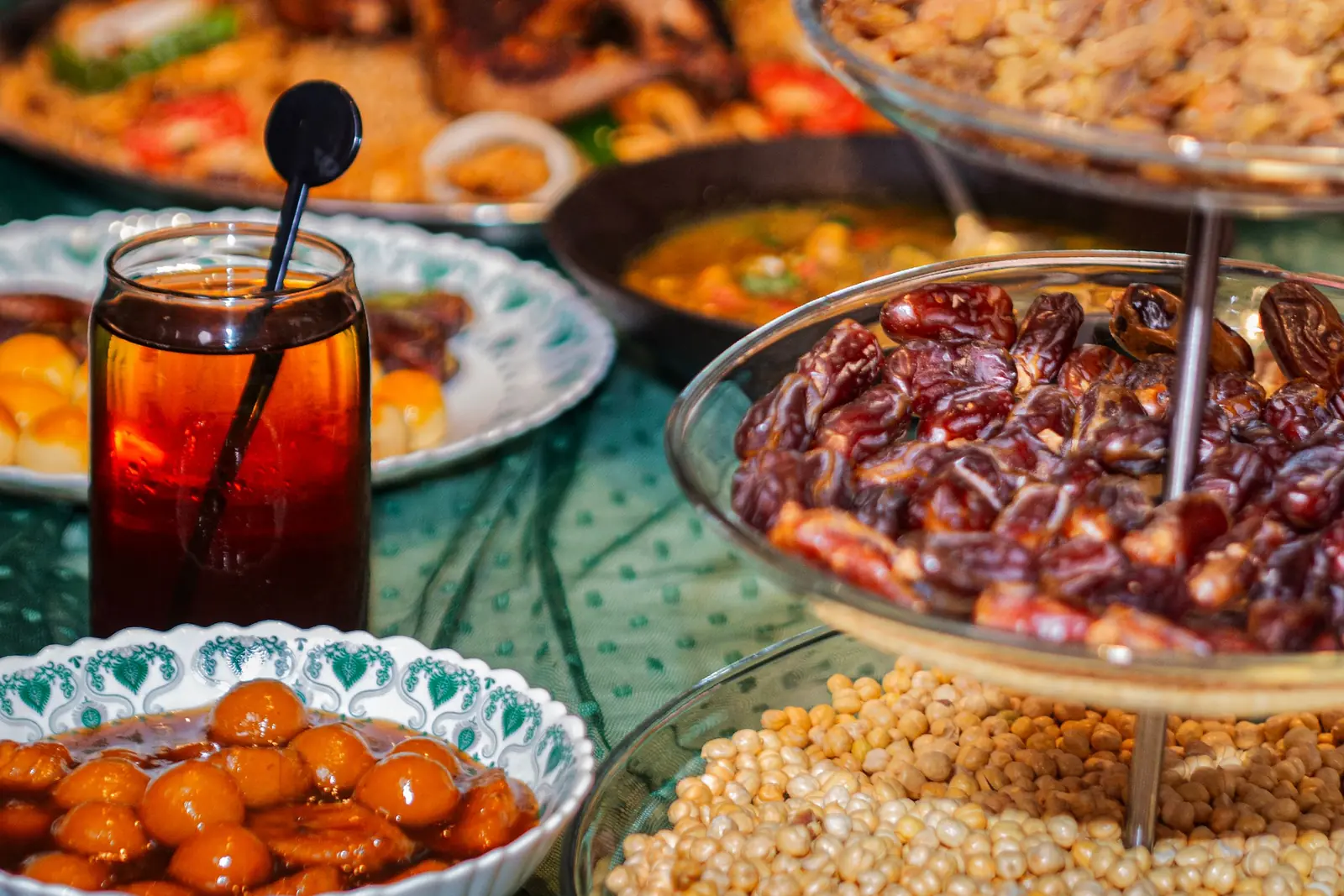
Iftar is a grand meal, often featuring traditional Moroccan dishes like harira (lentil soup), dates, and chebakia (sesame cookies). Many luxury hotels and riads offer lavish iftar spreads. Suhoor, the pre-dawn meal, is another opportunity to enjoy local cuisine. Consider booking an iftar at a traditional riad for an authentic experience.
Attractions and Activities: What’s Open?
Major tourist attractions like the Majorelle Garden, the Bahia Palace, and the Saadian Tombs typically maintain their usual hours, but some may close earlier. The Jemaa el-Fnaa square still operates, but daytime activity is reduced. It’s best to check official websites or ask your hotel for current schedules.
Cultural Sites and Museums
Museums and cultural sites often have adjusted hours, with many closing around 4-5 PM. The Marrakech Museum and the Dar Si Said Museum are usually open, but confirm before visiting. Some sites may offer special evening openings during Ramadan.
Shopping and Souks
The souks are generally open, but with fewer vendors and shorter hours. Many shops close in the afternoon and reopen after iftar. If you’re looking for a specific item, it’s best to shop in the morning or evening. The atmosphere is more relaxed, allowing for a less crowded shopping experience.
Special Ramadan Events and Traditions
Ramadan in Marrakech is marked by religious and cultural events. The call to prayer echoes through the city, and you may see lanterns (fanous) decorating streets. Many neighborhoods host communal iftars, and the atmosphere is one of generosity and community.
Religious Observances
Mosques in Morocco are closed to non-Muslims, the only exceptions being the Hassan II Mosque in Casablanca and the Tin Mal Mosque. The Koutoubia Mosque is a stunning example of architecture and is best viewed from the outside. Respectful behavior is expected near religious sites.
Nightly Festivities
After the evening prayer, Marrakech becomes a hub of social activity. Cafes and restaurants fill with locals enjoying tea and sweets. Musicians and storytellers perform in the square, and the night markets offer a variety of foods. This is a magical time to stroll through the city.
Practical Tips for Visiting During Ramadan
To make the most of your trip, consider these practical tips:
- Stay hydrated: Drink plenty of water during the day, but avoid public consumption.
- Dress modestly: Especially in conservative areas, covering shoulders and knees is respectful.
- Plan your meals: Book restaurants in advance and check their hours.
- Be patient: Service may be slower, and some services may be limited.
- Embrace the culture: Participate in iftar if invited, and enjoy the unique atmosphere.
Accommodation and Services
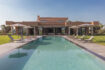
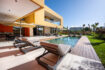
Hotels and riads continue to operate normally, but services like room service may be adjusted. Many luxury accommodations offer special Ramadan packages, including iftar and suhoor. If you’re considering a stay, a luxury villa rental in Marrakech provides privacy and flexibility, allowing you to dine in your own space.
Frequently Asked Questions About Ramadan in Marrakech
Can tourists eat and drink in public during Ramadan?
While it’s not illegal for tourists, it’s highly discouraged and considered disrespectful. Most restaurants and hotels provide designated areas for non-fasting guests.
Are tourist attractions open during Ramadan?
Yes, most tourist attractions remain open, but with reduced hours. It’s best to check individual sites for their Ramadan schedule.
Is it safe to visit Marrakech during Ramadan?
Absolutely. Marrakech is safe, and Ramadan is a time of peace and reflection. Visitors are welcome, and the city is generally more relaxed.
What is the best time to visit Marrakech during Ramadan?
The evenings are the most vibrant, with iftar and night markets. Plan your day to enjoy the quieter mornings and then experience the lively nights.
How should I dress during Ramadan in Marrakech?
Modest clothing is appreciated, especially in the medina and religious sites. Lightweight, loose-fitting clothing that covers shoulders and knees is ideal.
Conclusion: Embrace the Spirit of Ramadan
Visiting Marrakech during Ramadan offers a unique opportunity to witness the city’s spiritual side. By respecting local customs and adjusting your schedule, you’ll enjoy a memorable and enriching experience. For the ultimate comfort, consider booking a private villa for rent in Marrakech where you can relax in privacy. And if you’re planning events, our event organisation in Marrakech can help you create unforgettable moments. For more ideas, explore what to do in Marrakech. Embrace the spirit of Ramadan, and you’ll leave with stories to tell.