Before a Luxury Trip to Morocco: 15 Things to Know (2026)
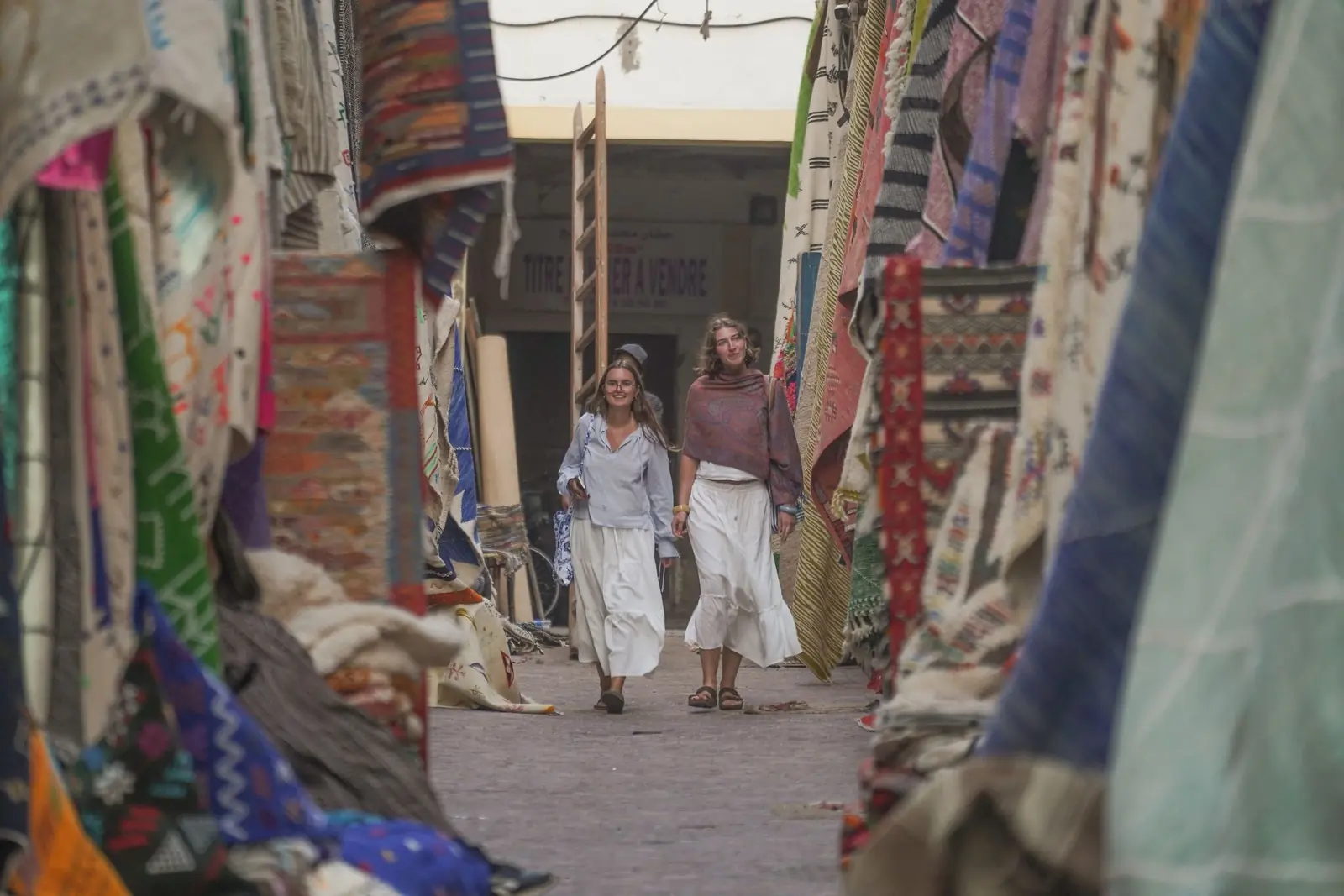
Before a luxury trip to Morocco, the essentials are short: most Western visitors, including British, EU, American and Canadian citizens, need no visa for stays of up to 90 days; the dirham is a closed currency you obtain on arrival; and since 20 September 2026 the country runs on GMT all year round. The rest is etiquette and planning: dress, alcohol, Ramadan, guides, tipping and connectivity. Here are the 15 things we tell every guest before they land, with links to our detailed guides.
In short
- Visa-free for up to 90 days for UK, EU, US and Canadian passports; UK advice requires a passport valid at least three months after arrival.
- The dirham cannot be bought abroad: travellers may carry no more than 2,000 dirhams in banknotes in or out, and foreign currency worth 100,000 dirhams or more must be declared.
- Morocco has been on GMT (UTC+0) permanently since 20 September 2026: no summer time and no clock change for Ramadan.
- Ramadan 2027 is expected to begin around 8 or 9 February 2027, subject to the sighting of the moon.
- Alcohol is legal in licensed venues and in private accommodation, but drinking in the street is illegal.
Arrival: passports, the airport and the clock
1. Entry rules: no visa for most, but check your passport date
Citizens of the UK, the EU, the United States, Canada and many other countries can visit Morocco for tourism for up to 90 days without a visa. There is no visa on arrival for those who do need one. According to UK government travel advice, your passport must have an expiry date at least three months after the day you arrive. Rules differ by nationality, so read our Morocco visa guide, which covers the e-visa and the countries that need one.
2. Arriving at Marrakech Menara
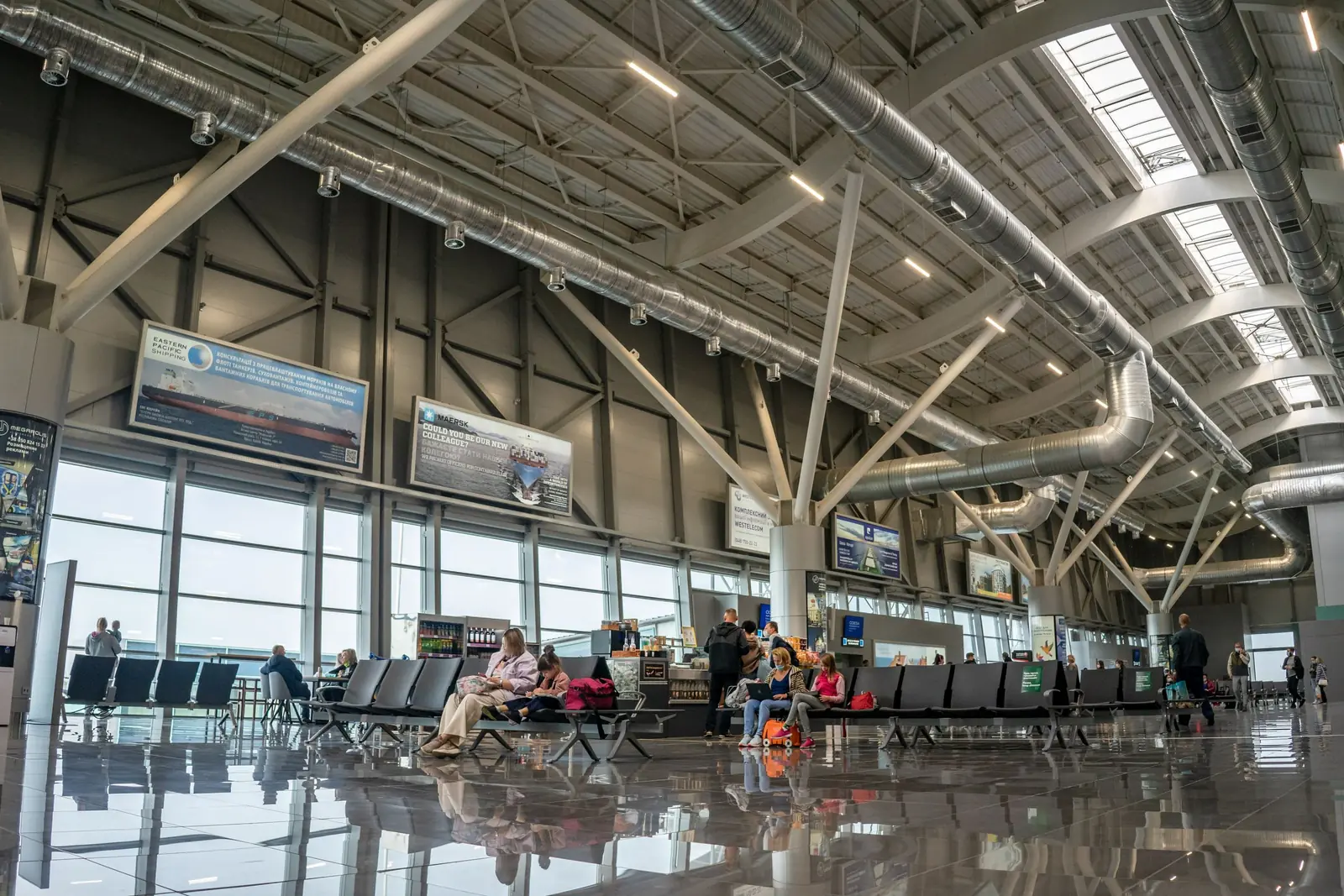
Marrakech Menara (RAK) is about 6 km south-west of the centre. Morocco dropped the paper arrival card in September 2019: the border police now simply read your biometric passport. After immigration and the luggage carousel you pass customs, with green and red channels, and come out into an arrivals hall with ATMs and exchange counters. Lines at passport control can be long when several flights land together, which is why a car arranged in advance matters more than speed at the desk. Our Marrakech airport guide covers terminals, taxis and departures.
3. Morocco is on GMT all year
Older guides will tell you Morocco is on GMT+1 and changes its clocks for Ramadan. That is no longer true. Under decree 2.26.530, the country went back to GMT at 2 am on 20 September 2026, permanently. In practice:
| You live in | Northern winter | Northern summer |
|---|---|---|
| London | Same time | Morocco 1 hour behind |
| Paris, Geneva | Morocco 1 hour behind | Morocco 2 hours behind |
| New York | Morocco 5 hours ahead | Morocco 4 hours ahead |
| Dubai | Morocco 4 hours behind | Morocco 4 hours behind |
Check any booking confirmation made before September 2026: a restaurant or tee time noted in GMT+1 may now be an hour off.
Money: dirhams, cards and tips
4. The dirham is a closed currency
You cannot buy Moroccan dirhams before you leave home. The Office des Changes, the country’s exchange authority, prohibits importing and exporting dirhams, with a tolerance of 2,000 dirhams in banknotes per traveller. Foreign currency is a different matter: you may bring in as much as you like, but amounts worth 100,000 dirhams or more must be declared to customs on arrival and on departure, and you keep the declaration to take the money out again. Change money or withdraw cash after landing, keep your exchange and ATM receipts, and change leftover dirhams back before you fly home. Details in what currency to take to Morocco.
5. Cards work in the right places, cash everywhere else
Visa and Mastercard are accepted at upscale hotels, restaurants and larger boutiques, and most international cards work in ATMs. American Express is far less reliable. Souk stalls, small cafés, taxis and tips are cash. When a card terminal or ATM offers to charge you in your home currency, decline and pay in dirhams: the conversion rate offered is usually worse. Carry a mix of small notes for tips and taxis.
6. Tipping is expected, and modest
Tipping is part of daily life. As a guide, leave about 10 percent in restaurants where service is not included, 10 to 20 dirhams a bag for porters, and 100 to 200 dirhams per person for a full day with a private guide. Villa staff are tipped once, at the end of the stay, in dirhams, in an envelope. Our full figures are in tipping in Morocco, and the villa side, with a worked example for a week, in our villa staff and tipping guide.
Customs and etiquette: dress, alcohol, Ramadan, photographs
7. Dress for the medina, not for the pool
Morocco is a Muslim country with relaxed habits in its smarter districts and more conservative ones in the old towns and the countryside. In the medina, at monuments and in villages, both men and women are more comfortable with shoulders and knees covered; UK advice suggests loose clothing covering arms, legs and chest for women. Swimwear belongs at the pool. Inside your own villa, behind its walls, you dress as you please. Our what to wear in Marrakech guide goes through it season by season.
8. Alcohol: legal, but not in public
Alcohol is legal for visitors and served in licensed hotels, bars and restaurants, which in Marrakech are mostly in the new town and the large hotels rather than the medina. Drinking in the street, or anywhere other than a licensed venue or your own accommodation, is illegal. Some supermarkets do not sell alcohol at all, some Carrefour branches and specialist wine shops do, and many riads have no licence. In a private villa you can keep your own wine and serve it with dinner. See alcohol in Marrakech for where to buy.
9. Ramadan and Fridays
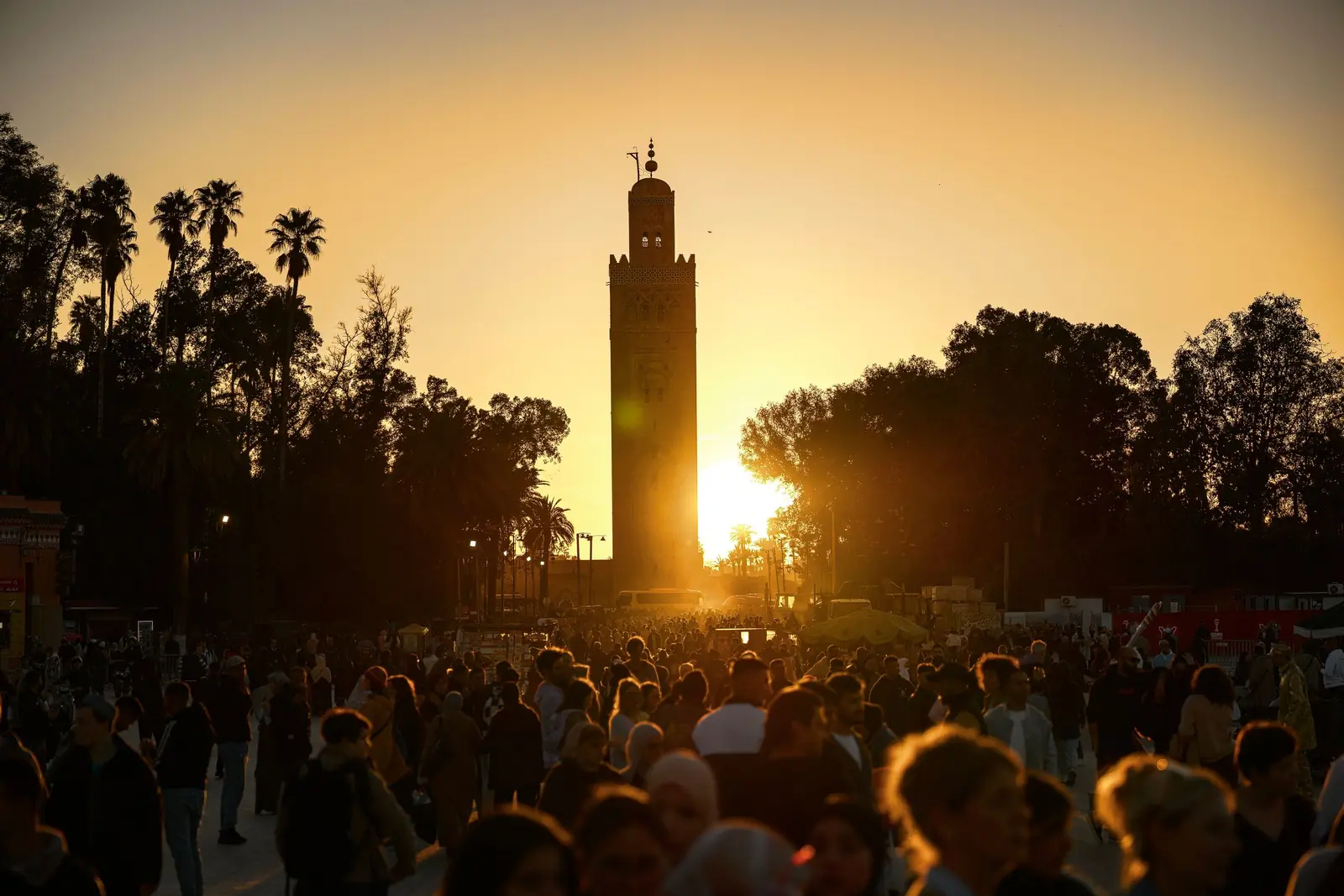
Ramadan 2027 is expected to begin around 8 or 9 February and end with Eid al-Fitr around 9 or 10 March; the exact dates are announced only after the moon is sighted. It is a fine time to visit if you plan for it: days are quieter, some restaurants close at lunch or stop serving alcohol, and evenings come alive after sunset. Eating, drinking or smoking in public during daylight can cause offence. And with the new permanent GMT, there is no Ramadan clock change any more.
Fridays matter too: the midday prayer is the week’s main one, and some medina shops close for part of the day. Read our Ramadan in Marrakech guide.
Most mosques in Morocco, the Koutoubia included, are closed to non-Muslims. The Hassan II Mosque in Casablanca is the well-known exception, with guided tours.
10. Ask before you photograph people
Many Moroccans prefer not to be photographed, and street performers on Jemaa el-Fna expect a few dirhams if you do. Ask first and accept a no. Photographing near military, police or other sensitive sites is illegal. Leave drones at home: importing one needs prior authorisation and flying one needs permission from the civil aviation authority, and an undeclared drone is likely to be seized at customs.
In town: guides and safety
11. Use a licensed guide in the medina
Morocco regulates the profession: under law 05-12, tourist guides must hold a licence from the Ministry of Tourism, either for cities and tourist circuits or for natural areas such as the mountains. Ask to see the guide’s official licence card before you set off. The men who approach you in the lanes offering to show you the way, or saying a street is closed, are not guides, and their tour tends to end in a shop that pays them commission. A half-day with a licensed guide is the best introduction to the souks; after that, most visitors find their own way. If you would like us to book one for you, ask us.
12. Safety: sensible, not anxious
Marrakech is a busy tourist city, and the risks are mostly the ordinary ones of crowded old towns: pickpockets and bag snatching in the medina and on Jemaa el-Fna, moped riders grabbing visible jewellery, and overcharging. Keep phones and wallets in front pockets, leave fine jewellery in the villa safe and agree taxi fares before you set off. Know the law, too: as UK travel advice points out, drugs carry long prison sentences, same-sex relations are illegal and public displays of affection are best avoided. Our honest assessment is in is Marrakech safe.
The medina rewards the guest who goes in with a guide on day one and alone on day three.
Health, phones and plugs
13. Health, water and insurance
Check vaccination recommendations with your doctor or travel clinic at least eight weeks before you travel. Most visitors drink bottled water and take care with raw salads and street food in their first days. Bring enough of any prescription medicine for the whole trip: pharmacies are good but may not stock your brand. Private clinics offer a higher standard of care than public hospitals; make sure your insurance covers treatment and repatriation. For an ambulance, dial 150. Stray cats and dogs are common, and rabies is present: do not touch them.
14. SIM cards, eSIMs and plugs
The three operators, Maroc Telecom, Orange and inwi, have booths in the arrivals hall at Menara, and a local SIM needs your passport for registration. The simpler option for most of our guests is a travel eSIM installed before departure, which works the moment you land. Most of our villa listings include internet; if you need to work, ask us to confirm the connection at your house. Sockets are the European two-pin type C and E, at 220 volts: British visitors need an adapter, and North American visitors should check that their chargers accept 220 V.
| Need | Number or detail |
|---|---|
| Ambulance | 150 |
| Sockets | Type C and E, 220 V, 50 Hz |
| Time zone | GMT (UTC+0) all year since 20 September 2026 |
| Dirham banknotes in or out | 2,000 dirhams maximum per traveller |
| Foreign currency declaration | From 100,000 dirhams equivalent |
15. What a staffed villa changes
Most of the friction in a first trip to Morocco sits in the gaps: the late arrival, the first dinner, finding a guide you trust, knowing where to buy wine. A staffed private villa closes many of them, which is why we suggest one as the base for a Morocco trip, with the rest of the country planned around it in our luxury Morocco travel guide.
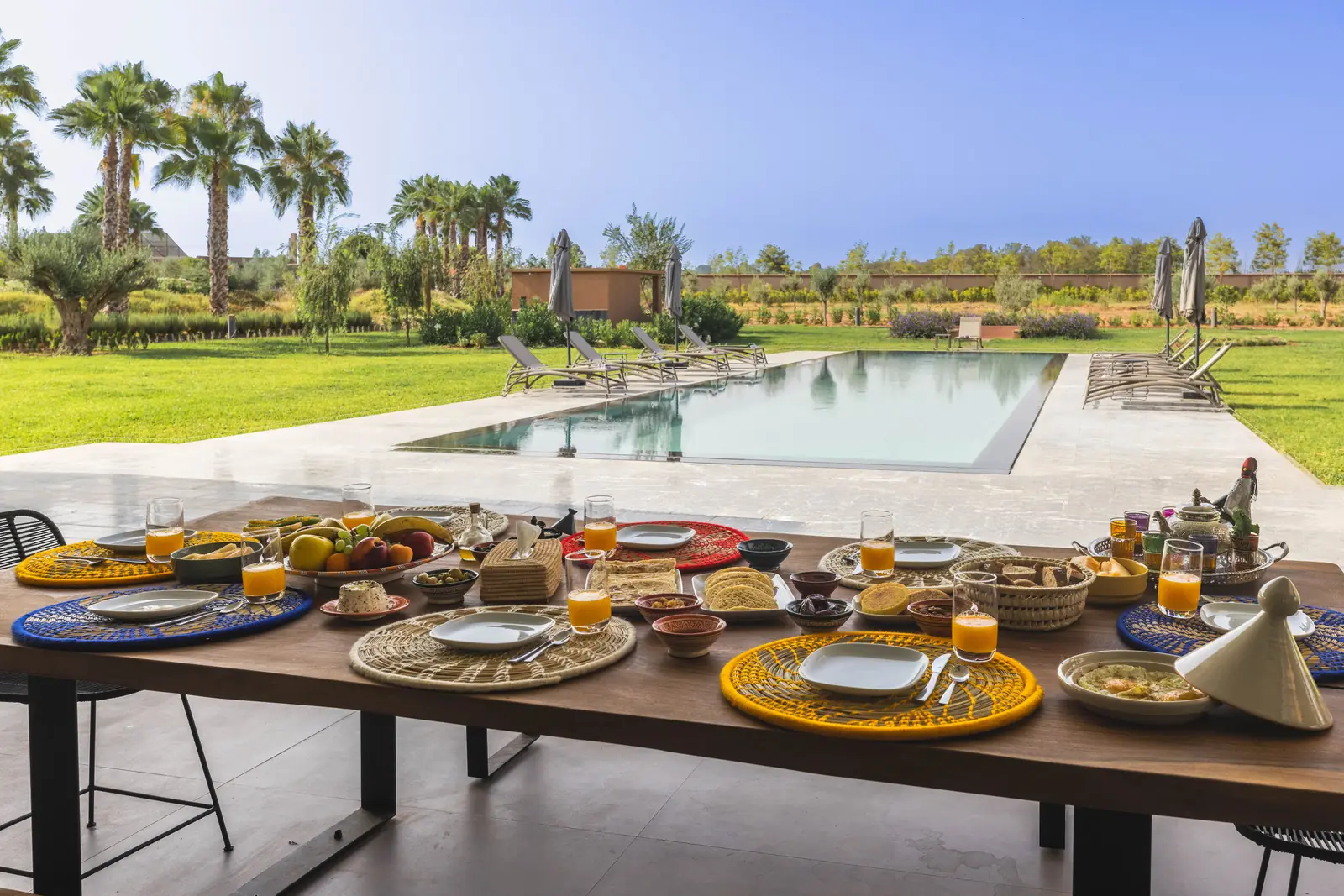
- Dress codes stop at the gate: the pool and garden are yours alone
- Your own wine with dinner, served at home rather than in a licensed bar
- A cook who shops at the market; at Villa Noor, groceries are charged at cost price plus delivery
- Staff who know the city and can point you to the right guide, restaurant or hammam
- During Ramadan, meals on your timetable, whatever is open in town
Service levels vary by house, so check the listing. At Villa Marhaba and Villa Zagora in the Palmeraie, a butler is available around the clock; Villa Noor has a cook, a housekeeper and a caretaker on site. We also arrange airport pick-up, a private chef, in-villa treatments, childcare and restaurant or activity bookings for our guests. Browse our staffed villas in Marrakech.
Four villas that make a first trip easy
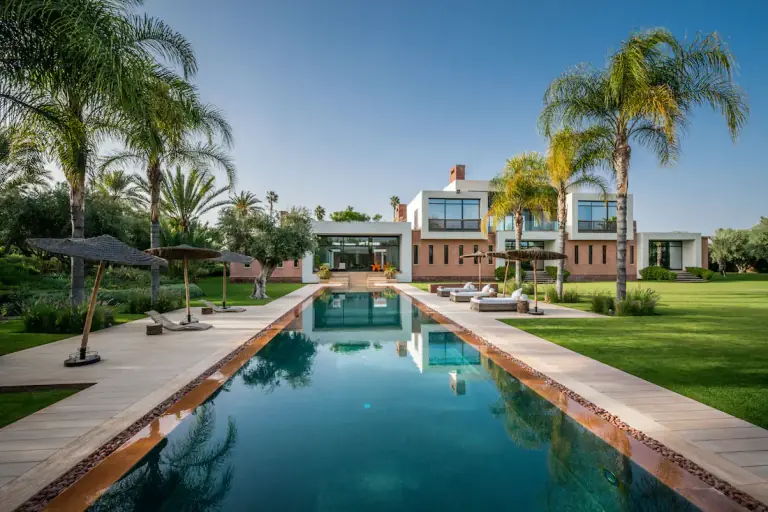
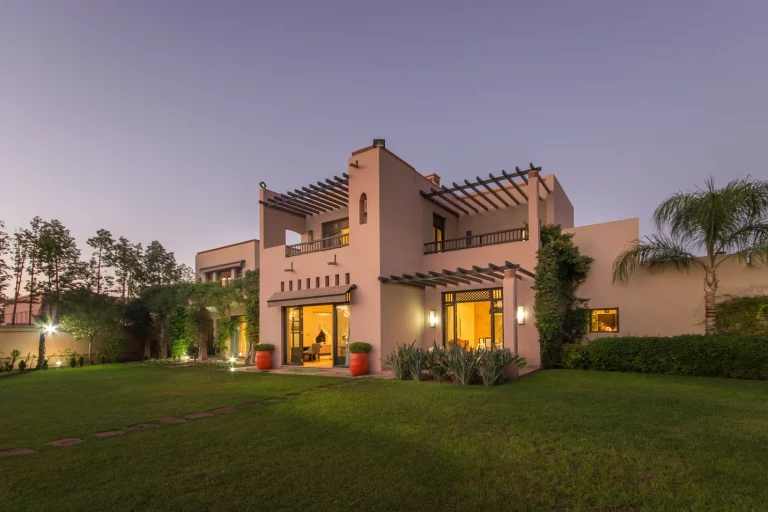
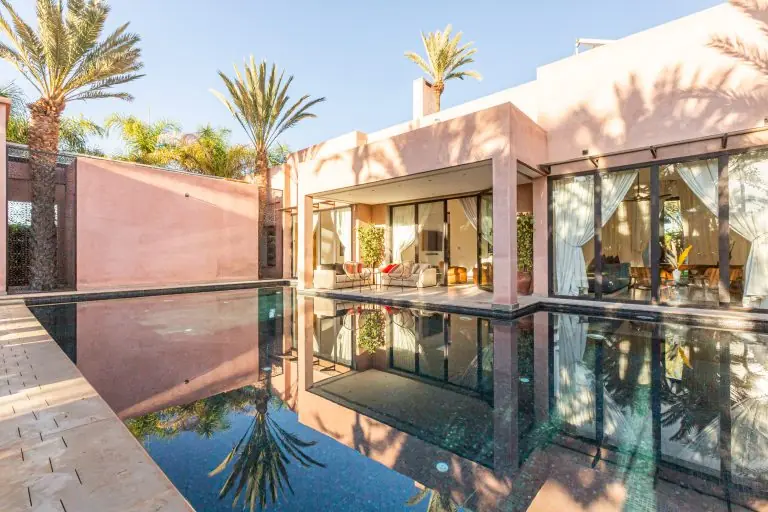
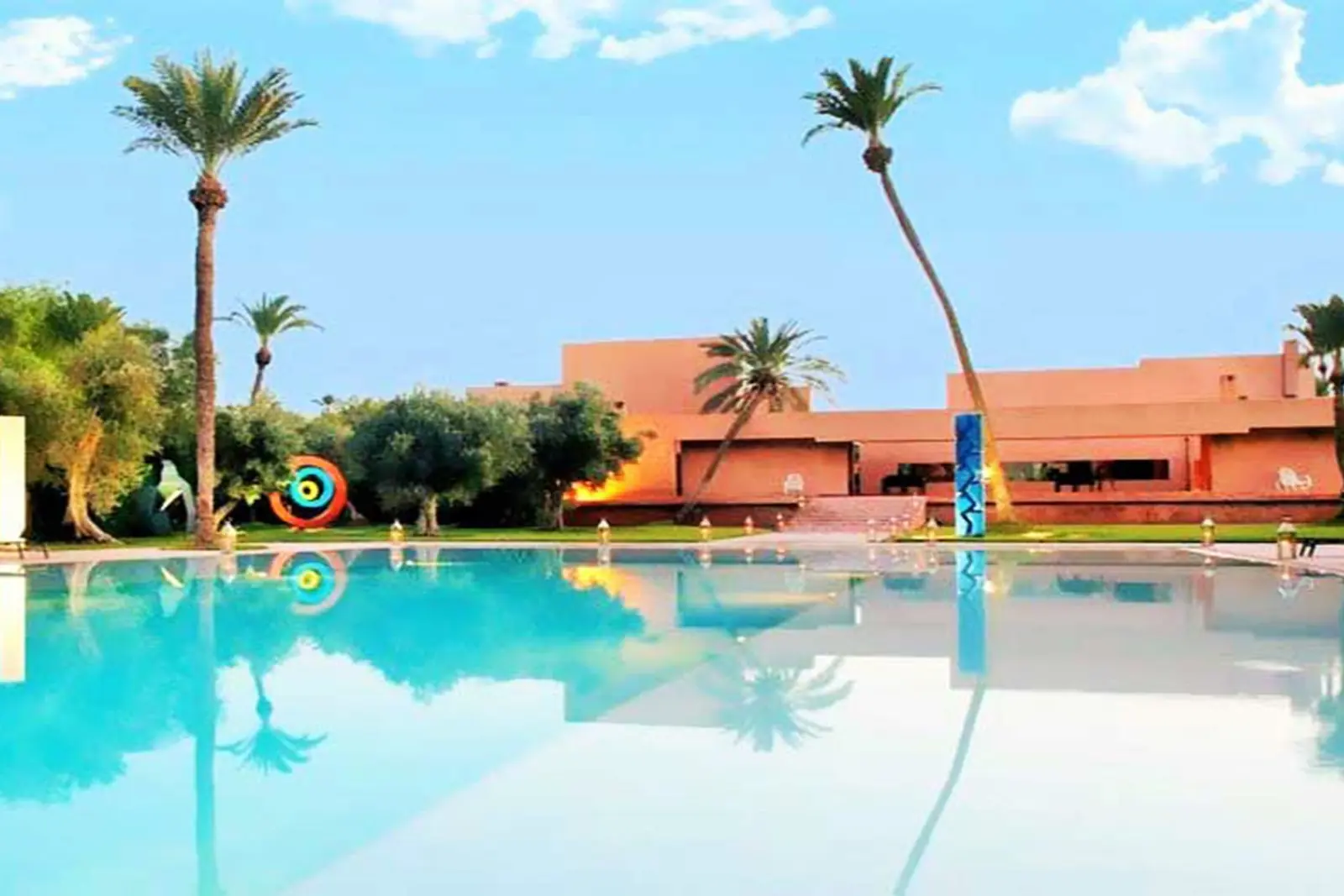
Villa Marhaba (5 bedrooms, from €1,450 a night) and Villa Zagora (4 bedrooms, from €1,450) both have a butler available 24/7 and are 20 minutes from the centre. Villa Four Seasons (5 bedrooms, from €2,000) sits within the Four Seasons Marrakech, 5 minutes from downtown, with access to the hotel’s services. Villa Noor (5 bedrooms, from €660) has a cook, a housekeeper and a caretaker, 25 minutes from the airport.
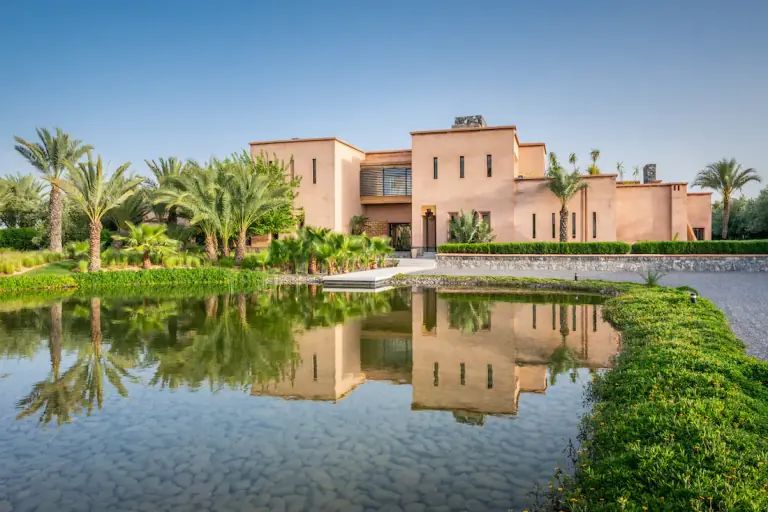 Villa MarhabaFrom €1,450 a night
 Villa ZagoraFrom €1,450 a night
 Villa Four SeasonsFrom €2,000 a night
 Villa NoorFrom €660 a night
 Unlimited Marrakech
Land, and let the house take care of the rest
39 staffed private villas in Marrakech and Oualidia, from 3 to 22 bedrooms. Send us your dates and the number of guests, and we reply with what is free.
Frequently asked questions
Do I need a visa to visit Morocco?
Not if you hold a British, EU, US or Canadian passport, among many others: these nationalities can visit for tourism for up to 90 days without a visa. UK government advice says your passport must be valid for at least three months after the date you arrive. Morocco does not issue visas on arrival, so nationalities that need one must apply before travelling.
Can I take Moroccan dirhams into or out of Morocco?
Only up to 2,000 dirhams in banknotes per traveller. The dirham is a closed currency, so you change money or use an ATM after landing. Foreign currency can be brought in without limit, but sums worth 100,000 dirhams or more must be declared to customs. Keep your exchange receipts to change leftover dirhams back before you leave.
What time zone is Morocco in?
GMT, or UTC+0, all year round. Morocco left its permanent GMT+1 regime on 20 September 2026 under decree 2.26.530, and the clocks no longer change for Ramadan. Marrakech is therefore on the same time as London in winter and one hour behind it in summer, and one to two hours behind Paris.
Can tourists drink alcohol in Morocco?
Yes, in licensed hotels, bars and restaurants, and in private accommodation such as a rented villa. Drinking in the street or other public places is illegal. In Marrakech, licensed venues and shops selling alcohol are mostly in the new town, and some supermarket chains sell none. During Ramadan, many venues reduce or stop alcohol service.
When is Ramadan in 2027?
Ramadan 2027 is expected to begin around 8 or 9 February 2027 and to end with Eid al-Fitr around 9 or 10 March. Morocco’s Ministry of Islamic Affairs confirms the dates only after the crescent moon is sighted, usually the evening before. Visiting during Ramadan is perfectly possible: expect quieter days, some daytime closures and lively evenings after sunset.
Is it worth hiring a guide in the Marrakech medina?
Yes, at least for the first visit. Tourist guides in Morocco must hold a Ministry of Tourism licence, and a licensed guide can show you the official card. A licensed guide shows you the souks, monuments and workshops without the detours to commission-paying shops that unofficial guides favour. After a half-day with a guide, most visitors find their own way comfortably.
None of this should put you off: Morocco is easy for travellers who arrive prepared, and a staffed villa smooths most of what is left. Tell us your dates, your flight and who is coming, and we suggest the houses that fit, with the airport pick-up and the first dinner arranged before you land.