
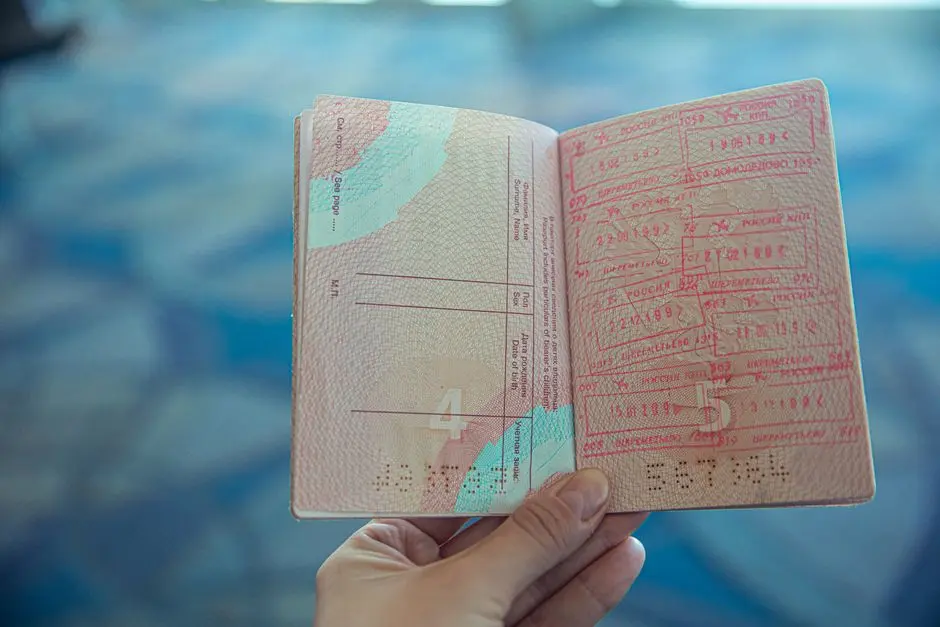
Morocco Visa 2026: Do You Need One? Entry Rules Explained
Do you need a visa for Morocco? Most Western travelers can enter visa-free for tourism or business stays up to 90 days, but the rules depend on your nationality. This guide explains the visa requirements, passport validity, and entry conditions you must know before traveling.
Visa-Free Countries for Morocco
Citizens of approximately 70 countries can enter Morocco without a visa for tourism or business stays up to 90 days. This includes the United States, Canada, the United Kingdom, all European Union member states, Australia, New Zealand, Japan, South Korea, and many others.
Travelers from these visa-exempt countries need only a valid passport with at least six months of validity remaining from the date of entry. While Morocco does not require a specific minimum passport validity for all nationalities, six months is strongly recommended to avoid any issues at border control.
If you are planning a longer trip, check out our 5-day Marrakech itinerary to make the most of your visa-free stay.
Countries That Require a Visa for Morocco
Nationals of countries including India, Pakistan, Nigeria, Ghana, Senegal and the Philippines need authorisation before travelling to Morocco. Note that Chinese citizens do not — China has been visa-exempt for stays of up to 90 days since 2016, and is often listed incorrectly. The authoritative list is maintained by the Moroccan Ministry of Foreign Affairs; check it, or your nearest Moroccan consulate, before booking.
For these travelers, the application process typically requires a completed form, passport photos, a valid passport, proof of accommodation, flight itinerary, travel insurance, and proof of sufficient funds. Processing times vary by embassy but generally take 5-10 business days.
Visa on Arrival, e-Visa and AEVM
Morocco does not issue visas on arrival at the border. It does, however, run an e-Visa applied for entirely online at the official portal acces-maroc.ma — no consulate appointment, no passport posted away. Processing usually takes 24 to 72 hours and the permit allows a stay of up to 30 days, valid for 180 days from issue.
The e-Visa is open to a defined list of nationalities that includes India, Israel, Jordan, Thailand, Vietnam, Cambodia, Laos, Brunei, Azerbaijan, Benin and Guatemala. Separately, Morocco has occasionally required an AEVM (electronic travel authorisation) from normally visa-exempt travellers around major events — one applied to eight African nationalities for AFCON between September 2025 and January 2026, and has since lapsed. Because these schemes change, confirm your own case on the official portal before you book.
Special Entry Rules for Certain Nationalities
US Citizens
American passport holders can enter Morocco visa-free for up to 90 days. No visa is needed for tourism or business. Carry a passport with at least six months of validity left from your date of entry — the same margin recommended everywhere else in this guide, and the one border officers are least likely to question.
UK Citizens
British citizens also enjoy visa-free access for up to 90 days. Since Brexit, there have been no changes to visa rules for UK nationals traveling to Morocco.
Canadian Citizens
Canadians can stay visa-free for up to 90 days. A passport valid for at least six months is recommended.
Australian and New Zealand Citizens
Australians and New Zealanders receive a 90-day visa-free stamp on arrival.
EU Citizens
All EU member state nationals can enter without a visa for stays up to 90 days within any 180-day period.
Passport Validity Requirements
While official rules vary by nationality, most sources recommend a passport valid for at least six months from your date of entry. Some countries require only three months. To be safe, ensure your passport has at least six months of validity remaining. For guidance on timing your visit, see our best seasons to visit Marrakech guide.
Entry Requirements for Minors
Children traveling to Morocco need their own passport. If a child is traveling with only one parent, a notarized letter of consent from the absent parent may be requested. For children traveling with neither parent, a letter of consent from both parents or legal guardians is highly recommended.
Proof of Onward Travel
Moroccan immigration officials may ask for proof of onward or return travel. This can be a flight ticket out of Morocco or an itinerary showing departure. Having a printed copy is advisable. You can find travel inspiration on the official Marrakech tourism site.
Sufficient Funds
You may be asked to show evidence of sufficient funds for your stay. This can include cash, credit cards, bank statements, or traveler’s checks. There is no fixed amount specified, but having at least $50-100 per day of stay is a good guideline. For more practical tips, explore our budget-friendly guide to Marrakech.
Visa Extensions and Overstays
If you wish to stay longer than 90 days, apply for an extension at the local police station (Préfecture de Police) before your visa-free period runs out. Overstaying is not charged by the day: since a change in the law around 2021 the routine penalty is a flat fine of roughly 1,100 dirhams whatever the length of the overstay, settled before a judge, after which the police issue an exit permit. Article 42 of the immigration law allows far heavier sanctions — 2,000 to 20,000 dirhams, imprisonment, or both — but those are reserved for serious cases rather than a traveller who lost track of the date.
Special Cases: Algeria, Western Sahara, and Ceuta/Melilla
Travelers entering Morocco from Algeria or the disputed Western Sahara region may face additional scrutiny. Crossing into Ceuta or Melilla (Spanish enclaves) requires a valid Schengen visa or Spanish visa. Moroccan visa rules do not apply to these territories.
COVID-19 and Health Entry Requirements
Morocco has no COVID-19 related entry restrictions. No vaccination certificates or negative test results are required. Travelers should still check for any health advisories from the World Health Organization or their home country’s health department.
For a seamless trip, stay connected with a local eSIM for Morocco upon arrival. Alternatively, consider renting a pocket WiFi Morocco for unlimited data. You can also check your safety guide for Marrakech before you go.
Frequently Asked Questions
Can I get a visa on arrival in Morocco?
No, Morocco does not issue visas on arrival. All travelers who require a visa must obtain one in advance from a Moroccan embassy or consulate.
How long can I stay in Morocco without a visa?
Citizens of visa-exempt countries can stay up to 90 days within any 180-day period. The exact duration is determined by the immigration officer at the port of entry.
Do I need a visa for Morocco if I have a layover?
If you remain in the international transit area and do not pass through passport control, you do not need a visa. However, if you plan to leave the airport, you must meet the entry requirements for your nationality.
Can I extend my 90-day stay in Morocco?
Yes, you can apply for a visa extension at the local police station before your 90 days expire. Extensions are granted on a case-by-case basis for valid reasons such as medical emergencies or unforeseen circumstances.
Is Morocco visa-free for Indian citizens?
No — but you do not need to visit a consulate. Indian passport holders are eligible for Morocco’s e-Visa, applied for online at acces-maroc.ma, typically issued in 24 to 72 hours and good for a stay of up to 30 days. Your passport must have at least six months of validity from your date of entry.
Conclusion
For most travelers, visiting Morocco is straightforward: if you hold a passport from a visa-exempt country, you can enter without a visa for up to 90 days. Always double-check your passport validity, carry proof of onward travel and sufficient funds, and verify the latest entry rules with your nearest Moroccan embassy or the official website of the Moroccan government. Safe travels! You might also enjoy our top day trips from Marrakech to plan your excursions.
Before you depart, check our detailed Morocco visa guide for more entry essentials. If you are traveling soon, read our guide on the best packing tips for Marrakech to prepare for your stay.