What Currency Should You Take to Morocco? (2026 Guide)
What currency should you take to Morocco? The simple answer is the Moroccan dirham (MAD), but the smart answer goes deeper: knowing how to carry it, where to exchange it, and how to avoid costly mistakes. This complete money guide covers exchange rates, payment methods, ATM fees, and practical safety tips so you can travel with confidence.
The Official Currency: The Moroccan Dirham (MAD)
Morocco’s official currency is the Moroccan dirham, abbreviated as MAD (or DH in local usage). It is a closed currency: importing and exporting dirhams is prohibited, except for up to 2,000 dirhams in banknotes per traveller. This unique status shapes how you should plan your money.
The dirham is subdivided into 100 centimes. Banknotes come in denominations of 20, 50, 100, and 200 dirhams, while coins are available in 1, 2, 5, and 10 dirhams, plus smaller centime coins. In September 2026, 1 US dollar was worth about 9.4 MAD, 1 euro about 10.9 MAD and 1 British pound about 12.7 MAD, but rates move every day.
What Currency to Carry: Cash Is King
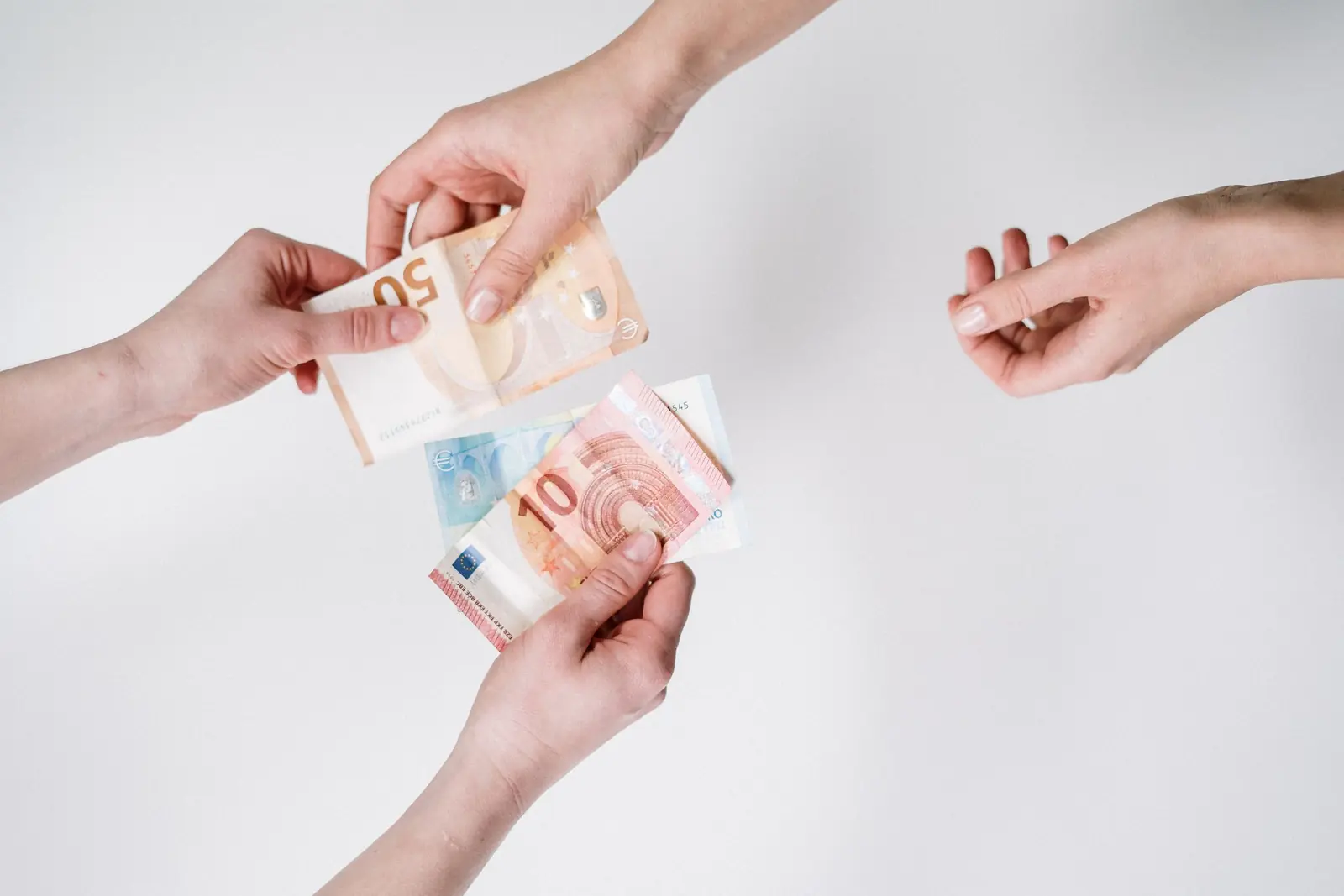
Despite the rise of digital payments, Morocco remains a cash-based society, especially in souks, small restaurants, and rural areas. For most travelers, the best approach is to bring a mix of cash and cards, but prioritize cash for daily expenses.
Carry euros, US dollars, or British pounds in cash, as these are the most easily exchanged. Avoid bringing large amounts of other currencies, as they may be harder to convert. A good rule of thumb is to have enough cash to cover a few days of expenses, then withdraw more from ATMs as needed.
Where to Exchange Currency in Morocco
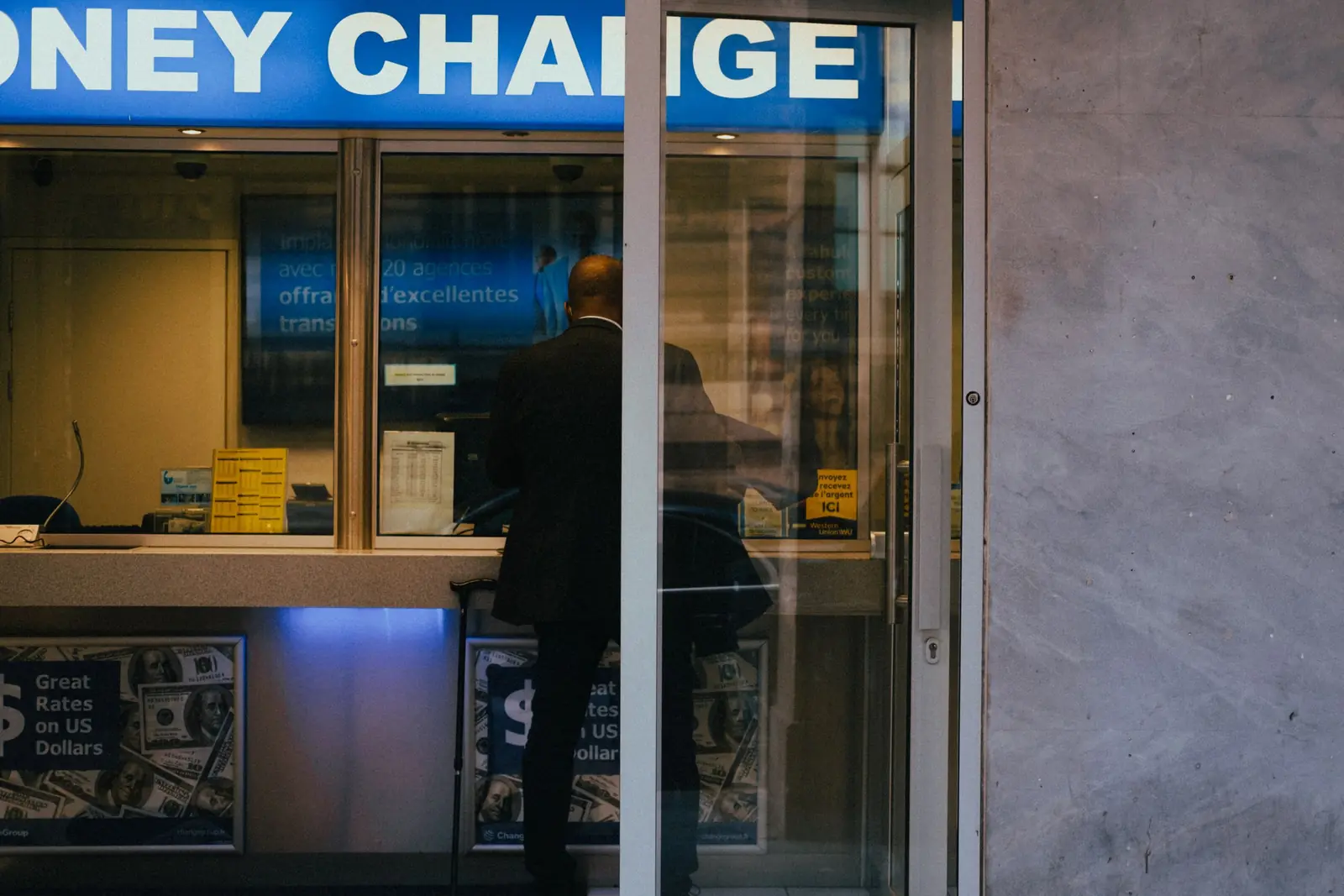
In practice you get your dirhams after you arrive: the dirham is a closed currency, and you may bring in no more than 2,000 dirhams in banknotes. Plan to exchange upon arrival at the airport, a bank, or an official exchange office (bureau de change).
Airport exchange counters are convenient. Every exchange outlet must follow the rules Bank Al-Maghrib sets on buying and selling rates, so compare the posted rate and ask about commission before you hand over cash.
Always compare rates and ask about commission fees before exchanging. Keep your exchange receipts, as you may need them to convert leftover dirhams back to your home currency when departing.
Using ATMs: Convenient but Watch Fees
ATMs are widely available in Moroccan cities and tourist areas, and they are often the most convenient way to get dirhams. Most ATMs accept international Visa and Mastercard cards; do not count on American Express. However, be aware of fees: your home bank may charge a foreign transaction fee, and the local ATM may also charge a withdrawal fee.
To minimize fees, withdraw larger amounts less frequently, and consider using a bank that offers fee-free international withdrawals. Also, be cautious of dynamic currency conversion (DCC), which offers to charge you in your home currency at a poor exchange rate—always choose to be charged in dirhams.
Credit and Debit Cards: Acceptable but Not Everywhere
Credit cards are accepted at upscale hotels, restaurants, and larger shops in major cities like Marrakech, Casablanca, and Fes. However, many small businesses, markets, and taxis only accept cash. Always carry cash as a backup, and inform your bank of your travel plans to avoid your card being blocked.
Contactless payment is now the norm wherever cards are taken: it accounts for more than 70% of card transactions on CMI, Morocco’s interbank card network. For safety, use your card only at reputable businesses and check your statements regularly.
Currency Exchange Tips: Getting the Best Rates
To get the best exchange rates, follow these tips: avoid exchanging at hotels or airports where rates are poor; use official exchange offices in the city; and check the current rate online before you go. Also, be wary of street money changers who may offer scams or counterfeit notes.
Another tip: if you have leftover dirhams at the end of your trip, exchange them back before leaving, as they are useless outside Morocco. Keep your original exchange receipts: without a currency declaration made at customs on arrival, banks and exchange offices can change back up to 20,000 dirhams against a receipt less than six months old, and airport counters up to 2,000 dirhams per passport.
How Much Cash Should You Take?
Your daily budget depends on your travel style. A budget traveler might spend around 300-500 MAD per day, while mid-range travelers could spend 800-1,500 MAD, and luxury travelers more. As a general rule, take enough cash to cover 2-3 days of expenses, then use ATMs to replenish.
For a one-week trip, a starting amount of 5,000-10,000 MAD (roughly $500-$1,000) is reasonable, but adjust based on your Marrakech itinerary and spending habits.
Safety and Security: Protecting Your Money
Morocco is generally safe, but petty theft can occur in crowded areas. Use a money belt or hidden pouch for large bills, and keep small bills handy for daily purchases. Avoid flashing large amounts of cash, and be cautious when using ATMs at night.
If you lose your cards, contact your bank immediately. Consider carrying a backup card and keeping copies of your passport and important documents separately.
FAQ: Money in Morocco
Can I use US dollars or euros directly in Morocco?
While some tourist shops may accept euros or dollars, the official currency is the dirham, and you’ll get a poor exchange rate if you pay in foreign currency. It’s best to exchange to dirhams for most transactions.
Is it better to exchange money in Morocco or before I arrive?
Since the dirham is a closed currency, you may bring in at most 2,000 dirhams in banknotes, so plan to get your money after you land. Exchange upon arrival at a bank or official exchange office for the best rates.
Are ATMs safe to use in Morocco?
ATMs are generally safe, especially those attached to banks. Use them during daylight hours and in well-lit areas. Be aware of skimming devices and cover the keypad when entering your PIN.
What is the tipping culture in Morocco?
Tipping is customary for good service. In restaurants, a 10% tip is appreciated when service is not included; a full-day private guide usually gets 100–200 dirhams, and a driver on a day trip 50–100 dirhams per person. Small change is often left in cafes.
Can I use travel cards like Revolut or Wise in Morocco?
Yes, these cards work like any other debit card and are accepted at ATMs and many businesses. They often offer competitive exchange rates and low fees, making them a good option for travelers.
Conclusion: Your Money Strategy for Morocco
In summary, the best currency to take to Morocco is a combination of cash (euros, dollars, or pounds) and a debit/credit card for backup. Exchange your cash at official offices for the best rates, use ATMs for additional cash, and rely on cards for larger purchases. By planning ahead and following these tips, you’ll avoid common pitfalls and enjoy a hassle-free trip.
Ready to explore Morocco? Start by checking the latest exchange rates and setting a budget. And remember, the dirham is your key to unlocking the vibrant markets, historic medinas, and stunning landscapes this country has to offer. Safe travels!