Morocco Public Holidays 2026: Trip Impact Guide
Planning a trip to Morocco in 2026? Understanding the country’s public holidays is essential for a smooth and enjoyable experience. These holidays can affect everything from business hours and transportation to the availability of services and the atmosphere of your stay. This guide provides a comprehensive overview of Morocco’s public holidays in 2026 and how they impact your travel plans.
Key Public Holidays in Morocco for 2026
Morocco observes a mix of fixed civil holidays and religious holidays that follow the Islamic lunar calendar. Here are the key dates to note for 2026:
- New Year’s Day (January 1) – A civil holiday marking the start of the Gregorian year.
- Independence Manifesto Day (January 11) – Commemorates the 1944 Proclamation of Independence.
- Amazigh New Year, Yennayer (January 14) – A national public holiday since 2024, celebrating the Amazigh (Berber) New Year.
- Labor Day (May 1) – A celebration of workers’ rights.
- Feast of the Throne (July 30) – Celebrates the accession of King Mohammed VI.
- Oued Ed-Dahab Day (August 14) – Commemorates the return of the Oued Ed-Dahab province to Morocco.
- Revolution of the King and the People (August 20) – Recalls the exile of Sultan Mohammed V by the French authorities in 1953.
- Youth Day (August 21) – The birthday of King Mohammed VI.
- Unity Day, Aïd Al Wahda (October 31) – A national holiday created by royal decision in November 2025; 2026 is the first year it is observed.
- Anniversary of the Green March (November 6) – Marks the 1975 march into the Western Sahara.
- Independence Day (November 18) – National holiday celebrating Morocco’s independence from France.
Religious holidays shift each year based on the lunar calendar. For 2026, key religious observances include:
- Eid al-Fitr – Friday, March 20, 2026, marking the end of Ramadan, which began on February 19.
- Eid al-Adha – Wednesday, May 27, 2026 (public holiday on May 27 and 28), the Feast of Sacrifice.
- Islamic New Year – Wednesday, June 17, 2026 (1 Muharram 1448).
- Mawlid al-Nabi – Tuesday, August 25, 2026, the Prophet Muhammad’s birthday.
Note: Religious holidays follow the lunar Hijri calendar, so they move about 11 days earlier each year. Morocco’s Ministry of Habous and Islamic Affairs confirms each date after the moon sighting; the 2026 dates above are the officially announced ones.
How Public Holidays Affect Your Trip
Public holidays in Morocco significantly influence daily life. Government offices, banks, and many businesses close, while public transportation may run on reduced schedules. Understanding these changes helps you plan efficiently.
Business and Service Closures
On public holidays, most administrative offices, banks, and government institutions are closed. This can affect visa processes, currency exchange, and any bureaucratic needs you might have. Private businesses like shops and restaurants often close or operate reduced hours, especially during religious holidays. For instance, during Eid al-Adha, many businesses close for several days, and it can be challenging to find open restaurants.
Transportation and Accessibility
Public transport, including trains and buses, may run on a reduced timetable on holidays. Intercity travel could be busier as Moroccans travel to visit family. Taxis may be in high demand, so plan accordingly. For airport transfers and private car services, it’s advisable to book in advance, especially during major holidays.
Crowds and Atmosphere
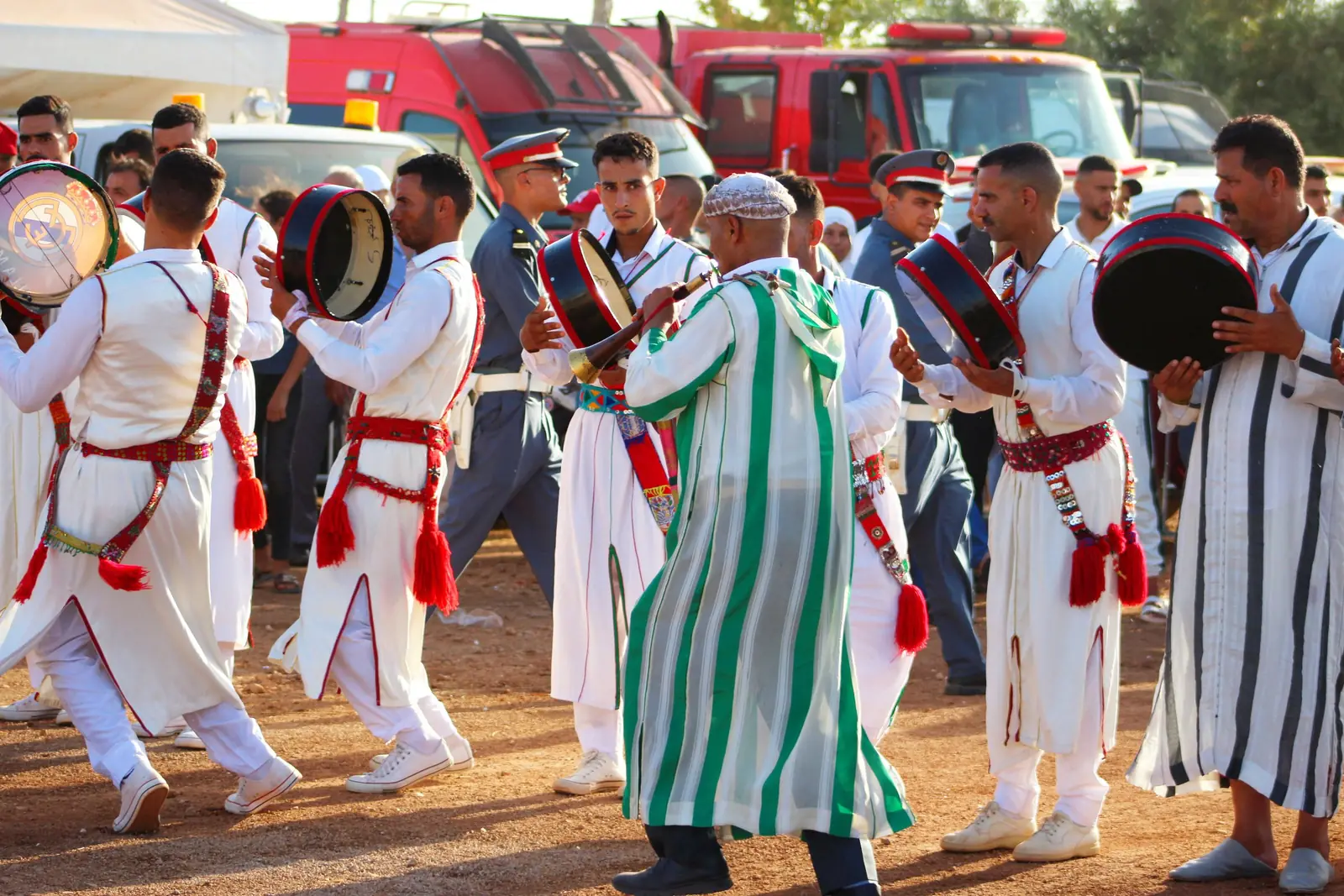
Public holidays often mean larger crowds at popular attractions, as locals enjoy their day off. This can be a vibrant experience, but it may also mean longer queues and a more bustling atmosphere. Conversely, some shops and souks may be closed, so your shopping plans might need adjustment. On religious holidays, expect a more traditional and festive mood, with special events and prayers.
Special Considerations for Religious Holidays
Religious holidays have unique impacts on daily life, particularly during Ramadan.
Ramadan and Eid al-Fitr
Ramadan is a month of fasting from dawn to sunset. During this time, many restaurants and cafes are closed during the day, and eating or drinking in public is discouraged. However, the atmosphere becomes lively after sunset with iftar meals and evening gatherings. Eid al-Fitr marks the end of Ramadan, a time of celebration and family visits. Many businesses close for the holiday, so services may be limited.
Eid al-Adha
Eid al-Adha, the Feast of Sacrifice, involves the ritual slaughter of sheep. Many businesses close for several days, and it’s a time for family gatherings. As a visitor, you may notice increased traffic and a more subdued tourist experience. It’s best to plan for limited services and enjoy the cultural immersion.
Planning Your Trip Around Holidays
To make the most of your trip, consider how holidays align with your itinerary. If you prefer a quiet, authentic experience, visiting during a holiday can be rewarding, but you must plan for closures. If you need full services, avoid major holidays or book well in advance.
Booking Accommodation and Services
During public holidays, especially long weekends, many Moroccans travel domestically, leading to increased demand for accommodations. We recommend booking your luxury villa rental in Marrakech well in advance to secure your preferred dates. For a seamless experience, consider our event organisation in Marrakech services if you plan to host gatherings during your stay.
Exploring During Holidays
If you’re in Marrakech, holidays offer a chance to see local traditions. Visit the Jemaa el-Fnaa square, which comes alive with storytellers, musicians, and food stalls, especially in the evenings. The Jardin Majorelle, for instance, is open every day of the week, but check opening hours for other sites before you go. Our what to do in Marrakech guide offers more ideas.
FAQ: Public Holidays in Morocco and Your Trip
Are banks and ATMs available on public holidays?
Banks are closed on public holidays, but ATMs generally remain operational. However, it’s wise to carry enough cash, as some ATMs may run out of money during long holiday weekends.
Do public holidays affect restaurant hours?
Yes, many restaurants close or have reduced hours, especially on religious holidays. During Ramadan, daytime dining is limited, but many hotels and tourist restaurants still serve meals to non-Muslims, sometimes in private areas.
Is it better to avoid traveling during public holidays?
It depends on your preferences. If you want a lively cultural experience, holidays are great. If you prefer minimal disruption, avoid the main holidays like Eid al-Adha and the Throne Day. For a balance, consider visiting during minor holidays when services are less affected.
Can I visit tourist attractions on public holidays?
Yes, most tourist attractions remain open, but hours may be reduced. Check the official websites or ask your accommodation for current schedules.
Conclusion
Morocco’s public holidays enrich your travel experience with unique cultural insights, but they also require thoughtful planning. By understanding the dates and their implications, you can navigate closures and crowds with ease. For a worry-free stay, consider booking a private villa for rent in Marrakech, where you can enjoy privacy and flexibility regardless of holiday schedules. Contact Unlimited Marrakech today to plan your perfect Moroccan getaway.