Koutoubia Mosque, Marrakech: History & Complete Visitor Guide 2026
The Koutoubia Mosque, Marrakech’s largest mosque, dominates the skyline with its iconic 77-metre minaret, an Almohad masterpiece that inspired the Giralda in Seville and the Hassan Tower in Rabat. As a non-Muslim visitor, you can admire the stunning exterior and peaceful gardens — this guide reveals how to experience the architectural and spiritual heart of the city.
History of Koutoubia Mosque
Construction began under Almohad Caliph Abd al-Mu’min around 1147 CE, shortly after the Almohads conquered Marrakech from the Almoravids. The original mosque was built on the site of an Almoravid palace. Around 1158 Abd al-Mu’min rebuilt it as a second, almost identical mosque right beside the first, and it is this structure that stands today. The minaret may have been completed under Caliph Yaqub al-Mansur, around 1195.
The name “Koutoubia” derives from the Arabic kutubiyyin, meaning “booksellers,” referring to the book market that once operated nearby. The mosque remains an active place of worship and a symbol of Marrakech.
Architectural Significance
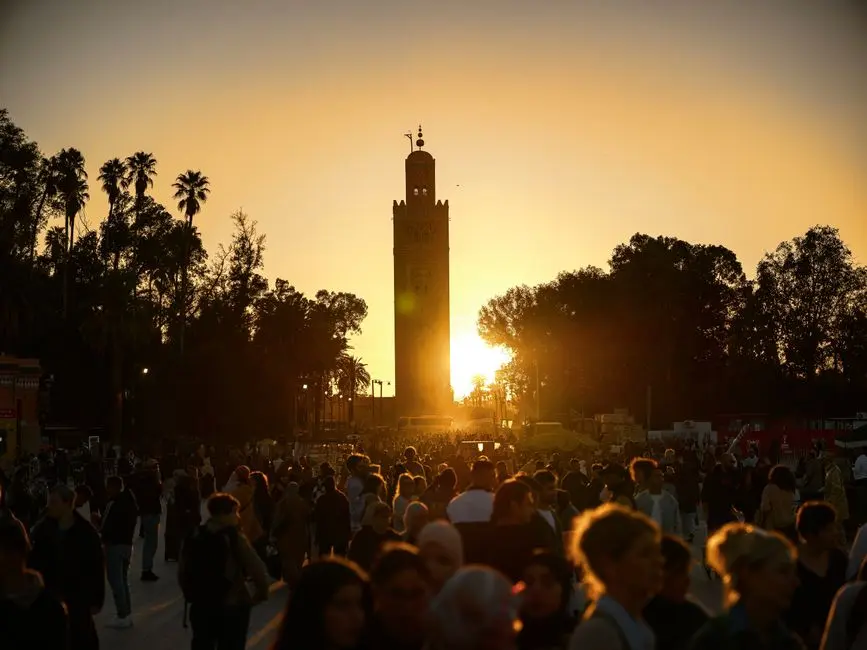
The minaret is 77 metres (253 feet) tall, and a local rule keeps nearby buildings below the height of a palm tree, so it still dominates the skyline. It features six rooms stacked vertically, with a lantern and spire at the top. The exterior is decorated with intricate geometric patterns, blind arches, and bands of ceramic tile.
The minaret is topped with three copper spheres of decreasing size. A popular legend — not historical fact — claims they are pure gold, and one version says a golden globe was made from the jewellery of the wife of Caliph Yaqub al-Mansur as penance for breaking her Ramadan fast. In reality the spheres are riveted copper plating, and the legend was first told about the nearby Kasbah Mosque.
Inside, more than 100 pillars divide the prayer hall into 17 aisles, and a courtyard with a central ablution fountain lies to the north. The mihrab (prayer niche) is finely carved and painted.
Visiting Koutoubia Mosque
As a functioning mosque, non-Muslims are not permitted inside the mosque — neither the prayer hall nor the courtyard. However, the surrounding gardens and the exterior are open to all. The best time to visit is early morning or late afternoon to avoid crowds and enjoy the golden light.
Opening Hours and Access
The gardens and the esplanade around the mosque are public spaces, free to enter. The gardens are open to everyone, and you can walk around the entire perimeter. Dress modestly: shoulders and knees should be covered.
What to See
- The Minaret: View from all sides, especially from the Jemaa el-Fnaa square or the gardens.
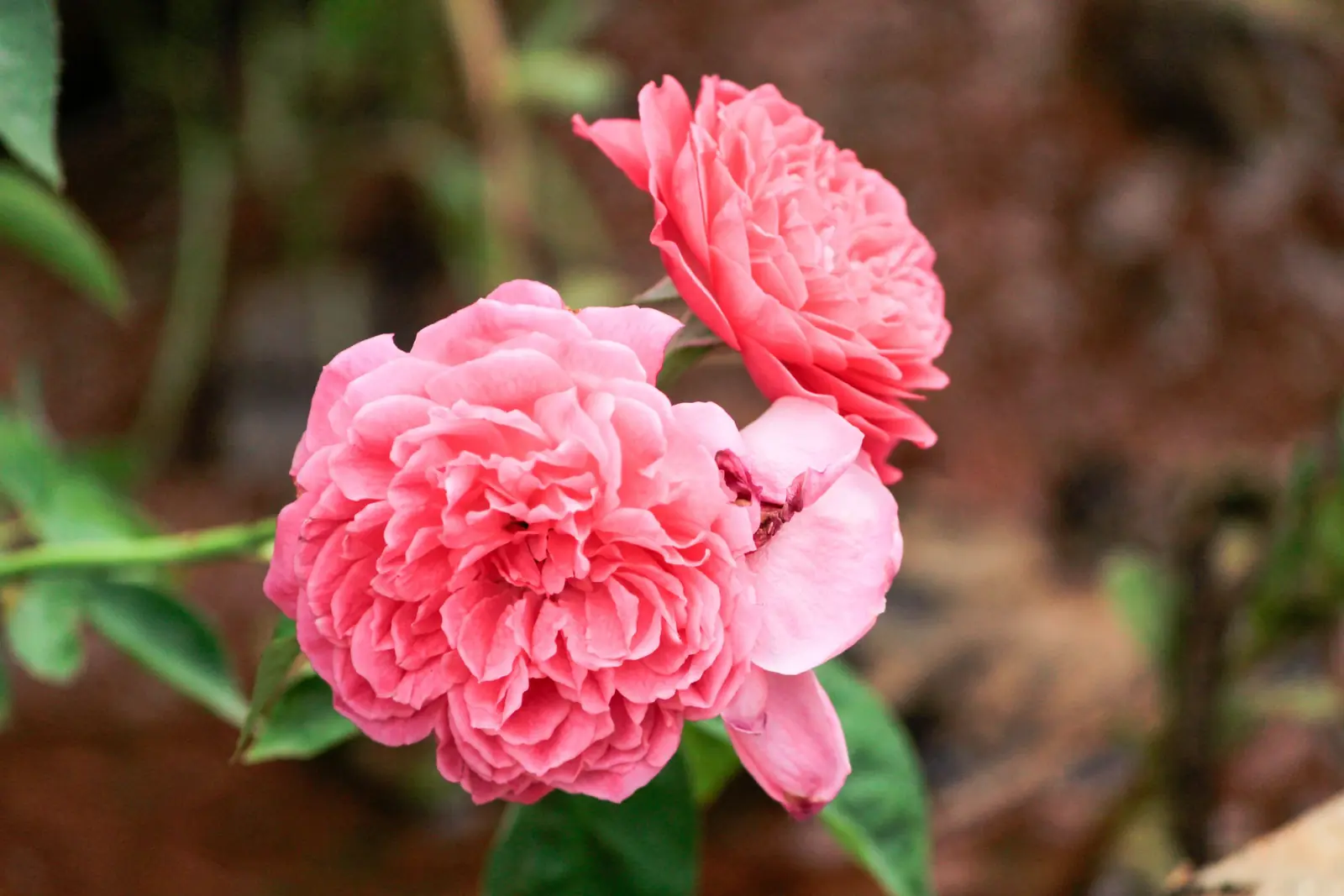
- The Gardens: The Koutoubia Gardens (also known as Lalla Hasna Park) surround the mosque with rose beds, orange trees and palm trees. They are a peaceful spot for a stroll.
- Ruins of the Original Mosque: On the esplanade on the mosque’s northwestern side, towards Jemaa el-Fnaa, you can see the excavated foundations of the first Almohad mosque, including the outline of its mihrab, along with remains of the Almoravid fortress and palace it replaced.
- Lighting at Night: The minaret is beautifully illuminated after sunset.
Nearby Attractions
Koutoubia Mosque is located in the southwest part of the medina, a short walk from Jemaa el-Fnaa square, the Royal Palace, and the Saadian Tombs. For help navigating the labyrinthine streets, consult our Marrakech medina map guide.
Combine your visit with these sites for a full day of exploration. You can also plan your trip around free things to do in Marrakech for a budget-friendly experience. For those seeking a broader perspective, our 5-day Marrakech itinerary can help structure your entire stay.
FAQ About Koutoubia Mosque
Can non-Muslims enter Koutoubia Mosque?
No. The Koutoubia is an active mosque and non-Muslims cannot go inside any part of it, courtyard included. However, you can freely walk around the exterior and visit the gardens.
How tall is the Koutoubia minaret?
The minaret is about 77 metres (253 feet) tall including its spire; the main tower alone is about 56 metres.
When was Koutoubia Mosque built?
Construction began around 1147 CE, and the current mosque was completed around 1158 CE.
Why is it called Koutoubia?
The name comes from the Arabic word for booksellers, as a book market once operated in the area.
What is the best time to visit Koutoubia Mosque?
Early morning or late afternoon offers the best light and fewer crowds. After sunset the minaret is floodlit.
Conclusion
The Koutoubia Mosque is an essential stop on any Marrakech itinerary, and pairing it with a visit to the best time to visit Marrakech guide can help you plan your trip perfectly. While you cannot enter, the exterior, minaret, and serene gardens provide a rich cultural experience. For a deeper dive into Marrakech’s hidden gems, explore our guide to hidden places only locals know.
Learn more about Almohad architecture at Wikipedia and check travel advisories on UK Government travel advice. For additional inspiration, see what Marrakech offers on Visit Marrakech. Plan your visit today and witness this iconic landmark.