Fine Dining in Morocco: A 2026 Guide to Gourmet Experiences
Fine dining in Morocco marries ancient culinary traditions with sophisticated gourmet flair, rivaling Europe’s elite tables. This guide reveals where to find exceptional dining, from Marrakech’s palatial restaurants to Casablanca’s innovative culinary laboratories, helping you plan an unforgettable gastronomic journey.
Evolution of Moroccan Fine Dining
Moroccan cuisine has always been celebrated for its complex spice blends, slow-cooked meats, and vibrant vegetable dishes. The fine dining revolution began when international chefs recognized the potential of Moroccan ingredients—saffron from Taliouine, argan oil from Essaouira, dates from the Draa Valley—and started incorporating them into haute cuisine.
Moroccan chefs trained at Michelin-starred restaurants now return home to reinterpret traditional dishes through modern techniques. Six Moroccan restaurants, five of them in Marrakech, appear in MENA’s 50 Best Restaurants 2026, although the MICHELIN Guide has not yet published a selection for Morocco.
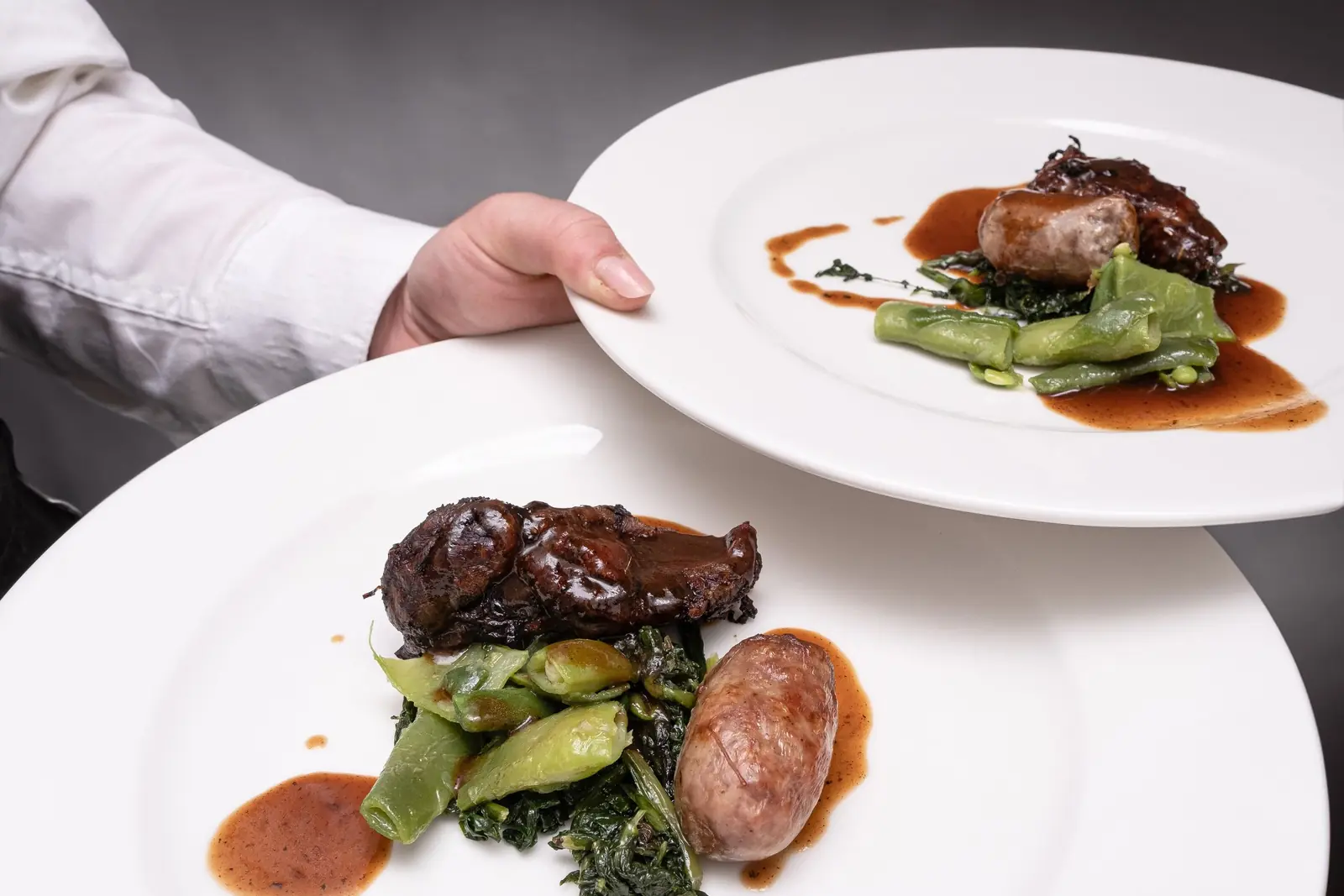
Marrakech: Epicenter of Moroccan Fine Dining
No discussion of Moroccan fine dining is complete without focusing on Marrakech, the undisputed culinary capital. The Red City offers an extraordinary range of gourmet experiences, from riad-based intimate dining to grand palace restaurants. Marrakech blends ancient traditions with contemporary luxury, creating dining experiences that engage all senses.
Palace Restaurants and Luxury Settings
Marrakech’s most celebrated fine dining establishments often occupy historic palaces or luxurious villas. These venues provide more than exceptional food—they offer complete sensory experiences. The architecture, with intricate zellij tilework, carved cedar ceilings, and central courtyards with fountains, transports diners to another era.
Many feature live traditional music, from Andalusian orchestras to Gnawa performers, enhancing the atmospheric dining experience. For those seeking the ultimate private dining experience, consider booking a villa with a private chef, where personalized menus and exclusive settings create unforgettable culinary moments.
Contemporary Moroccan Cuisine
A new generation of chefs is redefining Moroccan cuisine in Marrakech. These culinary innovators respect traditional flavors while employing modern techniques like sous-vide cooking, molecular gastronomy, and artistic plating. The result is dishes that surprise and delight, such as deconstructed pastilla presented as an edible work of art or lamb tagine reimagined with unexpected accompaniments.
Several Marrakech restaurants have gained international recognition for their innovative approaches. Chef Meryem Cherkaoui, for instance, a graduate of the Institut Paul Bocuse, earned three Gault & Millau toques in 2016 at Mes’Lalla, the Moroccan restaurant of the Mandarin Oriental Marrakech, and now signs the menu at Dahbi, in the Mövenpick Mansour Eddahbi. The restaurant scene has also expanded beyond Moroccan cuisine to include excellent French, Italian, and Asian fine dining options, reflecting Marrakech’s cosmopolitan character. For more ideas on upscale activities, explore our list of luxury things to do in Marrakech.
Casablanca: Modern Culinary Hub
While Marrakech captures the romantic essence of Morocco, Casablanca represents its modern, cosmopolitan face. As Morocco’s economic capital, Casablanca has developed a sophisticated fine dining scene that caters to business elites, international visitors, and local food enthusiasts. The city’s restaurants often feature sleek, contemporary designs and focus on fusion cuisine that blends Moroccan flavors with international influences. If you go from Marrakech, see our Marrakech to Casablanca day trip.
Seafood Excellence
Casablanca’s coastal location makes it the ideal destination for seafood lovers. The city’s fine dining establishments source the freshest catches from the Atlantic, preparing them with both traditional Moroccan spices and contemporary techniques. Restaurants along the Corniche offer spectacular ocean views alongside exquisite seafood tasting menus that might include:
- Grilled sea bass with chermoula foam and preserved lemon gel
- Octopus tagine with saffron-infused broth
- Royal shrimp pastilla with almond cream
- Sea urchin served in its shell with argan oil emulsion
International Influences
Casablanca’s status as an international business hub has attracted chefs from around the world, resulting in exceptional French, Japanese, and Lebanese fine dining options. The city’s French restaurants maintain exceptionally high standards, with several earning recognition in international culinary guides. Casablanca is unique in how its international restaurants incorporate Moroccan ingredients and influences, creating distinctive fusion experiences.
Regional Specialties and Hidden Gems
Beyond Marrakech and Casablanca, Morocco offers exceptional fine dining experiences in less-expected locations. These regional restaurants often focus on hyper-local ingredients and traditional cooking methods, providing authentic experiences away from tourist centers.
Fez: Culinary Traditions Preserved
As Morocco’s spiritual and cultural capital, Fez maintains culinary traditions with remarkable fidelity. The city’s fine dining establishments often occupy restored medina houses, offering multi-course feasts that follow centuries-old recipes. Fez is particularly renowned for its pastilla (pigeon pie), which many consider the city’s signature dish when prepared with premium ingredients.
Essaouira: Coastal Elegance
This coastal town has developed a reputation for exceptional seafood restaurants that combine fresh catches with elegant preparations. The best establishments feature rooftop dining with ocean views, creating romantic settings for sunset meals. Essaouira’s fine dining scene has grown significantly, attracting chefs who appreciate the town’s artistic atmosphere and premium local ingredients like argan oil.
Signature Dishes of Moroccan Fine Dining
While Moroccan fine dining incorporates international techniques and presentations, certain traditional dishes remain central to the experience. These signature offerings have been refined and elevated to meet gourmet standards while maintaining their essential character.
Art of Tagine
No Moroccan meal is complete without tagine, and fine dining establishments have elevated this dish to new heights. Premium ingredients like organic lamb, free-range chicken, and heirloom vegetables replace standard components, while cooking times are carefully controlled to achieve perfect texture. Chefs now plate tagine components artistically, often incorporating reductions and emulsions to intensify flavors.
Pastilla Perfected
This savory-sweet pastry, traditionally made with pigeon, has been transformed in fine dining settings. Chefs experiment with alternative fillings like lobster, duck, or vegetarian combinations, while maintaining the delicate balance of spices, almonds, and powdered sugar. The pastry itself has become lighter and more delicate, with some chefs creating miniature individual pastillas as amuse-bouches.
Modern Couscous Creations
Couscous, Morocco’s national dish, receives special attention in fine dining establishments. Chefs source premium semolina and steam it multiple times for exceptional lightness. The accompanying vegetables are often heirloom varieties cooked separately to maintain distinct textures and flavors. Meat components might include slow-braised short ribs or confit duck, replacing traditional stewed meats.
For those interested in exploring more traditional Moroccan dishes before venturing into fine dining, our guide to 10 traditional Moroccan dishes you must try provides excellent background.
Moroccan Fine Dining Experience: What to Expect
Moroccan fine dining differs from European counterparts in several meaningful ways. Understanding these distinctions enhances the experience and helps visitors appreciate what makes Moroccan gourmet cuisine unique.
Ritual and Ceremony
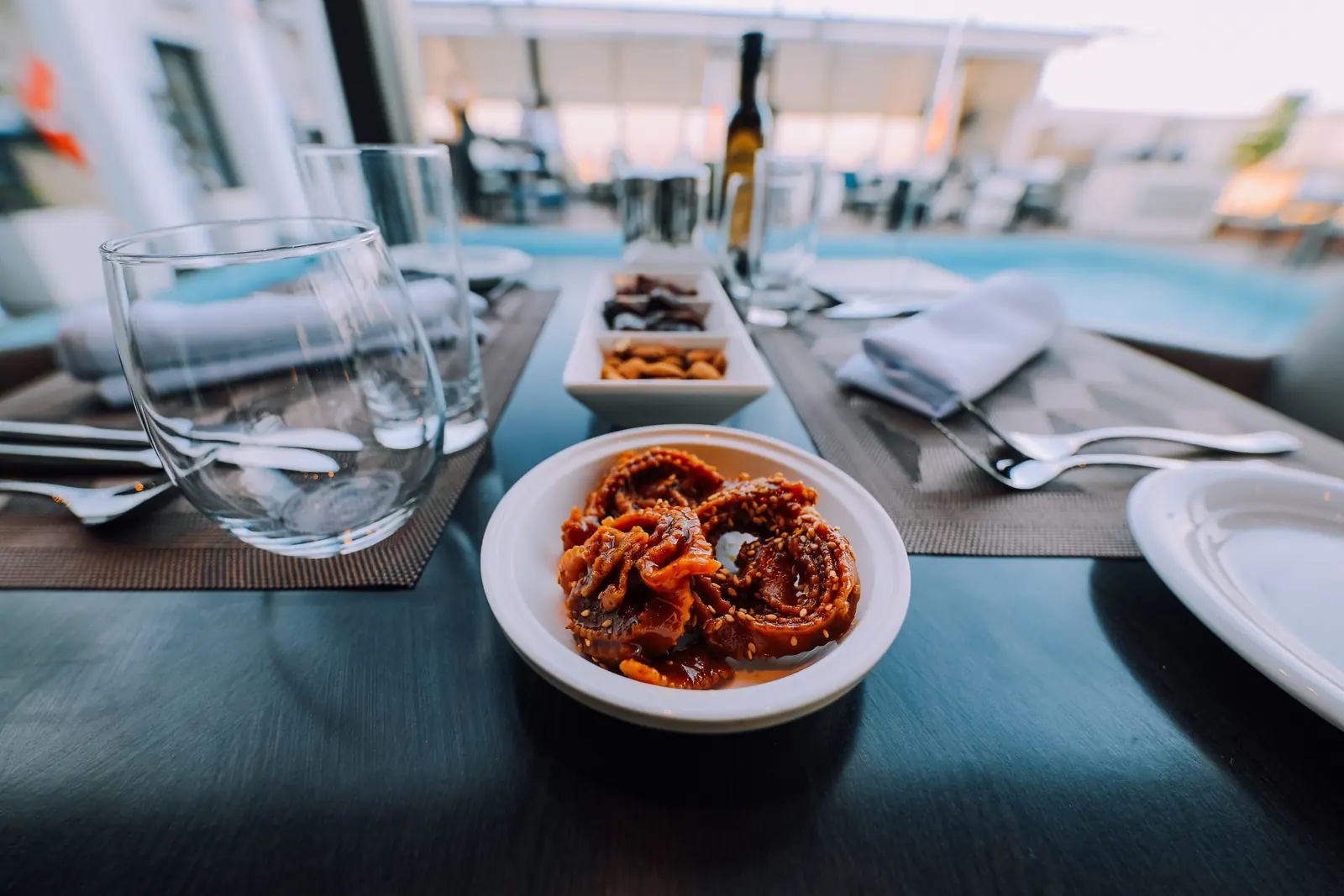
Moroccan meals, even in fine dining settings, maintain elements of ritual. The traditional hand-washing ceremony with rose water often precedes meals, while mint tea service follows as a digestive. These rituals connect modern dining experiences to centuries of Moroccan hospitality traditions.
Pacing and Structure
Moroccan fine dining meals typically follow a specific structure, beginning with an array of salads and small dishes, progressing through multiple main courses, and concluding with pastries and tea. The pacing is generally more leisurely than European fine dining, encouraging conversation and appreciation of each component.
Sensory Engagement
Beyond taste, Moroccan fine dining engages all senses. The visual presentation incorporates vibrant colors from spices and fresh ingredients. Aromas play a crucial role, with complex spice blends creating distinctive scent profiles. Many restaurants feature live music, while the tactile experience includes handling traditional bread and experiencing different textures in each dish.
Wine and Moroccan Fine Dining
Morocco’s wine industry has developed significantly, producing excellent wines that pair beautifully with local cuisine. Fine dining restaurants now feature extensive Moroccan wine lists alongside international selections. Key wine regions include:
- Meknes Region: Produces robust reds that pair well with lamb and beef dishes
- Rabat–Casablanca Region: Covers the Zenata, Zaër, Zemmour, Chellah and Sahel appellations; as everywhere in Morocco, red wine dominates and white is only a small share of production
- Benslimane (Zenata): Home to Domaine des Ouled Thaleb, whose first vines were planted in 1923, the oldest winery still operating in Morocco
Sommeliers in Moroccan fine dining establishments have developed expertise in pairing local wines with traditional dishes, often suggesting unexpected combinations that enhance both food and wine. For official tourism resources, explore Visit Marrakech.
Sustainability and Ethical Sourcing
As global awareness of sustainability grows, Moroccan fine dining establishments have embraced ethical sourcing practices. Many restaurants now prioritize:
- Organic and biodynamic ingredients from local farms
- Seasonal menus that reduce environmental impact
- Support for traditional producers and preservation of heirloom varieties
- Reduction of food waste through creative use of all components
- Eco-friendly practices in restaurant operations
This commitment to sustainability extends beyond ingredients to include energy efficiency, water conservation, and support for local communities. Several restaurants have received recognition for their sustainable practices.
Planning Your Moroccan Fine Dining Experience
To fully appreciate Morocco’s fine dining scene, careful planning enhances the experience. Consider these practical tips for your culinary journey.
Reservations and Timing
Top restaurants often require reservations weeks or even months in advance, particularly during peak seasons. The best times to visit Morocco for fine dining are spring (March-May) and fall (September-November), when temperatures are pleasant and ingredients are at their peak. For detailed seasonal guidance, consult our seasonal guide to visiting Marrakech.
Dress Codes and Etiquette
While Moroccan fine dining establishments generally maintain smart casual dress codes, some palace restaurants request more formal attire. Understanding basic dining etiquette—such as using the right hand for eating bread and expressing appreciation for the meal—enhances the experience and shows respect for local customs. For guidance on local customs, see our tipping in Morocco guide.
Budget Considerations
Moroccan fine dining offers excellent value compared to European counterparts, with a set menu at 700 MAD per person at Dar Yacout and a tasting experience at 1,800 MAD per person at La Grande Table Marocaine in the Royal Mansour, drinks not included. Many restaurants offer exceptional lunch menus at reduced prices, providing opportunities to experience fine dining more affordably. You can also explore the best hammams in Marrakech for a truly immersive cultural experience alongside your gourmet journey.
Future of Moroccan Fine Dining
Several trends suggest continued evolution in Morocco’s fine dining scene:
- Hyper-local Focus: Increased emphasis on micro-regional ingredients and forgotten traditional dishes
- Technological Integration: Use of technology to enhance dining experiences while maintaining human connection
- Health-Conscious Cuisine: Development of fine dining options that prioritize health without compromising flavor
- International Recognition: Growing presence in global culinary guides and potential Michelin guide expansion
Morocco’s unique position—bridging African, Arab, and European influences—positions it perfectly for continued culinary innovation. The country’s rich agricultural diversity, combined with growing chef talent and increasing international interest, suggests that Moroccan fine dining will only become more sophisticated and celebrated.
Frequently Asked Questions
Are there Michelin-starred restaurants in Morocco?
The MICHELIN Guide has not yet published a selection for Morocco. Six Moroccan restaurants, five of them in Marrakech, appear in MENA’s 50 Best Restaurants 2026.
How much does fine dining cost in Marrakech?
A set menu at Dar Yacout is 700 MAD per person, and the tasting experience at La Grande Table Marocaine in the Royal Mansour is 1,800 MAD per person, drinks not included.
Is there a dress code at fine dining restaurants in Morocco?
Most maintain smart casual dress codes, but some palace restaurants request more formal attire.
What is the oldest winery in Morocco?
Domaine des Ouled Thaleb in Benslimane (Zenata), whose first vines were planted in 1923, is the oldest winery still operating in Morocco.
Where does chef Meryem Cherkaoui cook in Marrakech?
She now signs the menu at Dahbi, in the Mövenpick Mansour Eddahbi, after earning three Gault & Millau toques in 2016 at Mes’Lalla, the Moroccan restaurant of the Mandarin Oriental Marrakech.
Conclusion: Culinary Renaissance
Morocco’s fine dining scene represents a remarkable fusion of ancient traditions and contemporary innovation. The country offers gourmet experiences that satisfy both traditionalists seeking authentic flavors and adventurous diners looking for culinary innovation. From Marrakech’s palace restaurants to Casablanca’s sleek dining rooms, Morocco provides diverse settings for exceptional meals that engage all senses.
The true strength of Moroccan fine dining lies in its connection to place and culture. Even the most innovative dishes maintain a recognizable Moroccan character, rooted in specific regions, ingredients, and traditions. This authenticity, combined with technical excellence and creative presentation, creates dining experiences that are both memorable and meaningful.
As Morocco continues to develop its culinary reputation, the time is ideal to explore its fine dining offerings. Whether you’re planning a dedicated food-focused trip or incorporating gourmet experiences into a broader Moroccan journey, the country’s restaurants promise exceptional meals that will linger in memory long after the last bite. For an extended stay, consider monthly villa rentals in Marrakech to fully immerse in the local culinary scene.
Ready to experience Morocco’s culinary excellence firsthand? Begin planning your gourmet journey today by exploring our comprehensive guides to Moroccan travel and dining. For those considering an extended stay to fully immerse in the best time to visit Marrakech for dining and culinary exploration, pairing your itinerary with seasonal produce ensures peak flavor. Bookmark our top restaurant recommendations in Marrakech to build your perfect itinerary. Discover the best day trips from Marrakech to explore regional culinary treasures, or learn about family travel in Morocco for unforgettable gourmet adventures together.