
Flavors of Marrakech: 10 Traditional Dishes You Must Try in 2026
The traditional dishes of Marrakech come alive in the medina’s alleys, where saffron, cumin, and cinnamon scent the air. This guide explores Berber, Arab, Andalusian, and Mediterranean influences, giving you a clear roadmap to the city’s gastronomic identity.
Foundation of Moroccan Cuisine
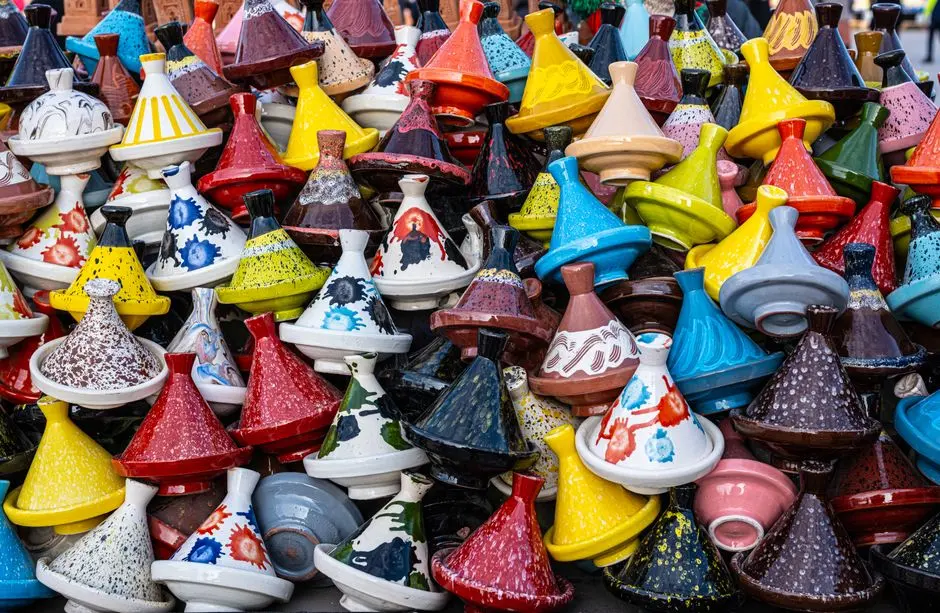
Meals in Marrakech are often communal and celebratory. The tagine — both the iconic conical clay pot and the slow-cooked stew it produces — is central. Spices are used not merely for heat but for depth and complexity, often combined into ras el hanout, a blend that can contain over 30 ingredients.
Freshness is paramount, with daily visits to the souk for vegetables, herbs, and meat. Sweet and savory combinations are celebrated, reflecting Morocco’s historical trade in sugar and dried fruits. This culinary philosophy results in dishes that are aromatic, layered, and deeply satisfying.
Essential Traditional Dishes of Marrakech
These must-try traditional dishes form the cornerstone of Marrakech’s culinary heritage.
Tagine: The Iconic Slow-Cooked Stew
The tagine is synonymous with Moroccan cooking. This slow-cooked stew, named for the earthenware pot with a distinctive conical lid, allows flavors to meld and meats to become exceptionally tender. The steam circulates within the lid, condenses, and drips back onto the ingredients, creating a self-basting, intensely flavorful dish.
Countless variations await you in Marrakech.
- Tagine Djej: Chicken tagine, often with preserved lemons and green olives. The tangy, salty punch of the lemons balances the rich chicken.
- Tagine Kefta: Meatball tagine, typically made with spiced lamb or beef kefta in a rich tomato and egg sauce.
- Tagine Mrouzia: A celebratory sweet-and-savory lamb tagine with honey, raisins, and almonds, often prepared for religious holidays.
For an in-depth look at the history and techniques behind tagine cooking, resources like Morocco.com’s culinary guide offer valuable insights.
Couscous: The Friday Feast
Fine semolina grains are steamed multiple times over a simmering broth until light and fluffy. In Marrakech, it’s typically served with a stew of seven vegetables (like carrots, turnips, zucchini, and pumpkin) and a piece of slow-cooked lamb or chicken. The broth is served on the side for diners to moisten their couscous to taste.
The skill lies in the steaming process, a point of pride for home cooks.
Pastilla: The Savory-Sweet Pie
A true masterpiece of Moroccan cuisine, pastilla is a delicate filo pastry pie that perfectly captures the sweet-savory balance. The classic Pastilla au Pigeon features shredded squab or chicken mixed with almonds, eggs, and a blend of spices including cinnamon and saffron. The filling is wrapped in layers of thin ouarka dough, then baked until golden and crisp and dusted with powdered sugar and cinnamon.
The result is an extraordinary combination of textures and flavors—crispy, savory, nutty, and subtly sweet.
Harira: The Hearty Ramadan Soup
Although famously associated with breaking the fast during Ramadan, harira is a beloved soup enjoyed year-round, especially on cooler evenings. This hearty, tomato-based soup is packed with lentils, chickpeas, vermicelli or rice, and lamb. It’s richly flavored with a base of tedouira (a flour-and-water thickening paste) and spices like celery, parsley, and coriander.
It’s often served with dates and chebakia (sesame honey cookies) on the side.
Mechoui: Whole Roasted Lamb
Mechoui is a dish for celebrations and large gatherings. A whole lamb is slow-roasted in a pit oven or a special clay oven until the meat is so tender it falls off the bone. The seasoning is simple—often just salt, cumin, and perhaps some butter—allowing the pure, smoky flavor of the lamb to shine.
Experiencing mechoui in Marrakech, perhaps in the open air of a family riad or at a festival, is a memorable event.
Tanjia: Marrakech’s Unique Specialty
While tagine is known nationwide, tanjia is uniquely Marrakchi. It’s a bachelor’s dish, traditionally prepared by single men. Meat (usually lamb or beef), preserved lemons, garlic, and a blend of spices are placed in a distinctive amphora-shaped clay pot.
The pot is then sealed and taken to a farnatchi (public bath) or a local bakery, where it is slow-cooked for hours in the ashes of the wood-fired oven. The result is incredibly tender, aromatic meat with concentrated flavors. To understand the cultural context and preparation of Tanjia, authoritative culinary sites like TasteAtlas provide detailed profiles.
For more on traditional Moroccan dishes you must try, we have you covered.
Zaalouk & Taktouka: Flavorful Cooked Salads
Meals in Marrakech often begin with an array of cooked salads, known as salades marocaines. Two of the most common are:
- Zaalouk: A smoky, spiced dip made from roasted eggplant and tomatoes, seasoned with garlic, paprika, cumin, and fresh cilantro.
- Taktouka: A vibrant mix of roasted green peppers and tomatoes, finely chopped and cooked with garlic, paprika, and olive oil.
These are served at room temperature with fresh, warm bread for dipping and are a fantastic introduction to the layered spice profiles of the cuisine.
Rfissa: The Comfort Food Stew
A lesser-known but deeply traditional dish, rfissa is a comforting stew of shredded chicken or game birds, lentils, and fenugreek seeds (helba), served over shredded msemen (flatbread) or trid pastry. The fenugreek gives it a distinctive, slightly bitter, maple-like aroma and is believed to have restorative properties, often served to new mothers. Its rich, thick sauce and soft textures make it the ultimate comfort food.
Moroccan Mint Tea & Sweets
No culinary tour of Marrakech is complete without its sweets and beverages. Moroccan mint tea, or atay, is a ceremony in itself. Gunpowder green tea is steeped with fresh spearmint and a generous amount of sugar, poured from a height to create a frothy head.
It’s served throughout the day as a gesture of hospitality.
Accompanying the tea are pastries like:
- Briouats: Crispy triangular pastries filled with almond paste or savory meat.
- Chebakia: Intricately shaped sesame cookies fried and coated in honey.
- M’hanncha: The “snake cake,” a coil of almond-filled pastry.
Where to Experience These Flavors in Marrakech
While fine-dining restaurants offer refined versions, the soul of this food is found in traditional settings:
- The Djemaa el-Fna Square Food Stalls: As night falls, the square transforms into a huge open-air restaurant. It’s the best place to try harira, snails, and grilled meats in a bustling, authentic atmosphere.
- Family-Run Restaurants in the Medina: Seek out small, unassuming restaurants tucked away in the souks. They often serve a fixed-menu menu du jour featuring tagine or couscous.
- Riads with Dining: Many traditional guesthouses (riads) offer dinner to guests and sometimes the public, providing a tranquil, home-cooked meal in a beautiful garden courtyard. For a complete cultural immersion, consider staying in a riad in Marrakech to enjoy home-cooked meals in a traditional setting.
- Consider a Cooking Class: To truly understand the flavors, participating in a cooking class is invaluable. You’ll visit the market, learn spice blends, and cook a traditional meal. For more inspiration on fine dining in Morocco, explore our dedicated guide.
For planning your culinary itinerary, consulting updated travel resources like Lonely Planet’s Marrakech guide can help identify reputable eateries and experiences. You can also check out our curated list of top restaurants in Marrakech for expert recommendations. For a broader sense of local flavors, our guide to street food vs fine dining in Marrakech provides additional perspective. Don’t miss our guide on best day trips from Marrakech to pair your meals with memorable excursions. For more insight on what to bring along, check our comprehensive packing list for Marrakech. To explore local eateries before you go, browse Visit Marrakech. For a complete cultural immersion, consider staying in a riad in Marrakech to enjoy home-cooked meals in a traditional setting.
To dive deeper into Marrakech’s food scene, consider joining a guided food tour to taste the city or dining at one of the best rooftop restaurants in Marrakech for a unique atmosphere. Stay connected during your trip with a reliable eSIM from esimmaroc.com to navigate and book experiences on the go.
Conclusion: A Feast for the Senses
The traditional dishes of Marrakech offer more than sustenance; they tell a story of trade routes, imperial history, and communal life. Each bite of a fragrant tagine, each sip of sweet mint tea, is a connection to centuries of culinary tradition. As travelers continue to seek authentic experiences, Marrakech’s cuisine remains a timeless and compelling reason to visit.
It invites you to slow down, share a meal, and savor the profound artistry of its flavors.
Ready to embark on your own culinary adventure? Start planning your trip to Marrakech. Book a food tour, reserve a cooking class, or simply arrive with an adventurous appetite and dive into the vibrant food stalls of Djemaa el-Fna. Your taste buds will thank you.