Discover Marrakech’s Hidden Gardens: Secret Oases Beyond the Medina
Seek out Marrakech’s hidden gardens and discover the Red City’s most serene escapes—ancient sanctuaries where mosaic pathways, water channels, and centuries-old Islamic garden design await. This guide unveils the most enchanting secret gardens of Marrakech, offering authentic green spaces away from the medina crowds.
The Lost Art of the Islamic Garden: A Brief History
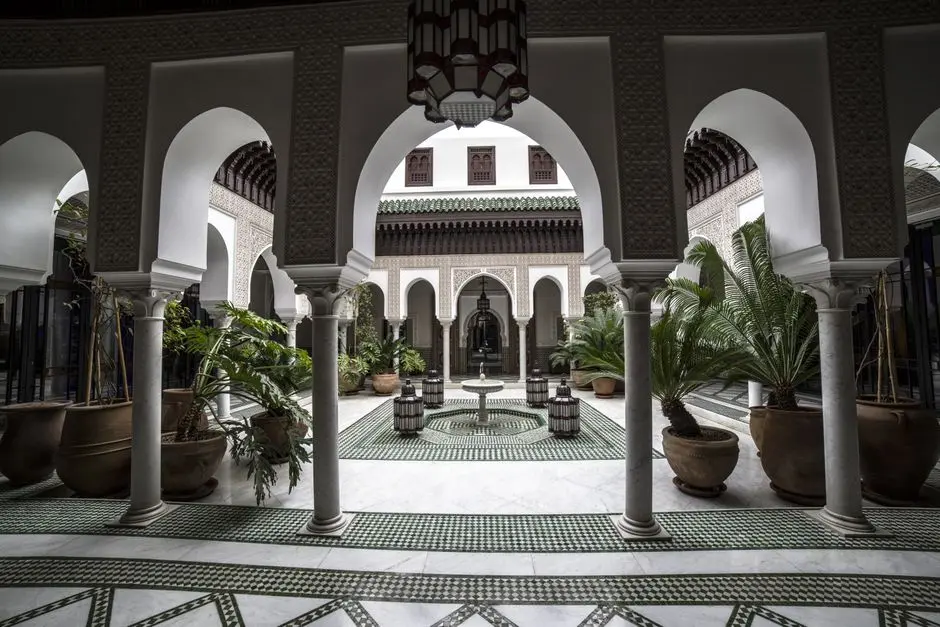
To understand Marrakech’s hidden gardens, one must first appreciate the Islamic garden tradition. Originating from Persian pairidaeeza (walled garden), these spaces are designed as earthly paradises with a quadrilateral layout and water channels representing the four rivers of paradise. Fragrant plants, fruit trees, and shaded walkways fill these sanctuaries.
The gardens of Marrakech, many dating back to the Almoravid and Saadian dynasties, embody this philosophy of contemplation, poetry, and escape from the city’s heat. Several of these historical gardens have been restored, offering visitors a glimpse into a bygone era.
Unveiling the Hidden Gems: Marrakech’s Secret Gardens
Le Jardin Secret
True to its name, Le Jardin Secret is one of Marrakech’s most exquisite hidden gardens. Located in the heart of the medina near the Bahia Palace, this 400-year-old riad garden was restored to its former glory after years of neglect. It features two distinct sections: the exotic garden with plants from around the world, and the Islamic garden with a traditional layout of orange trees, jasmine, and a central fountain.
The highlight is the 10-meter-high pavilion offering panoramic views of the garden and the medina’s rooftops. A small museum explains the history of Islamic garden design. Visit Le Jardin Secret’s official website for opening hours and guided tours.
Anima Garden
Nestled in the foothills of the Atlas Mountains about 30 minutes from Marrakech, Anima Garden is a contemporary botanical garden created by Italian artist André Heller. It combines art, nature, and architecture across over 20 themed areas, including a cactus garden, a bamboo forest, and a water lily pond.
Throughout the garden, sculptures and installations by artists like Keith Haring and Auguste Rodin punctuate the landscape. The vibrant colors and eclectic design make it a photographer’s dream. For more ideas, check our guide to best day trips from Marrakech. Anima Garden’s official site offers details on exhibitions and events.
Jardin Majorelle (Majorelle Garden)
While not exactly a secret, Jardin Majorelle is often overlooked by those who stick to the medina. Created by French painter Jacques Majorelle in the 1920s and later owned by Yves Saint Laurent, this garden is a masterpiece of Art Deco and Moorish design. Iconic vibrant blue buildings (Majorelle Blue) contrast with lush cacti, palms, and bamboo.
The garden houses the Islamic Art Museum of Marrakech, showcasing a stunning collection of North African textiles, ceramics, and jewelry. Despite its popularity, visiting early in the morning or late afternoon offers a more serene experience. Book tickets online via the official Jardin Majorelle website to avoid long queues.
Les Jardins de la Koutoubia (The Koutoubia Gardens)
Adjacent to the iconic Koutoubia Mosque, these gardens offer a peaceful retreat from the energy of Djemaa el-Fna. Designed in the 12th century and restored in the 1990s, they feature long avenues of orange and olive trees, rose bushes, and fountains.
The gardens are a favorite spot for locals to relax, read, or enjoy a picnic. The scent of orange blossom and the view of the Koutoubia’s minaret make it perfect for a quiet afternoon. Entry is free, and it is open daily until sunset.
Jardin Arsat Moulay Abdessalam
This is perhaps the most hidden garden on the list. Tucked away in the medina’s Arsat district, it is a small, family-run garden passed down through generations. It is not a tourist attraction but a living garden where locals grow vegetables, herbs, and flowers.
Visitors are welcome if they knock politely, but it is essential to respect the privacy of the family. This garden offers an authentic glimpse into how Marrakech’s hidden gardens have been sustained as private sanctuaries for centuries.
How to Find These Hidden Gardens: Tips for Travelers
- Hire a local guide: Marrakech’s medina is a labyrinth. A knowledgeable guide can lead you to gardens not marked on maps, like Arsat Moulay Abdessalam. Use a reliable Marrakech medina map to help you navigate the maze. For local guides, consult the official tourism board at Visit Marrakech.
- Use a reliable map app: Google Maps is helpful for gardens like Le Jardin Secret and Jardin Majorelle, but do not rely on it for smaller, unlisted ones. Stay connected with a local eSIM Morocco for data on the go.
- Visit during weekdays: Gardens are less crowded Monday through Thursday. Early morning (9-10 AM) or late afternoon (4-5 PM) offers the best light and tranquility.
- Combine with nearby attractions: Plan your day around clusters. For example, visit Le Jardin Secret, Bahia Palace, and the Saadian Tombs in one trip. Check the Koutoubia Mosque visitor guide for nearby sights.
- Check for special events: Many gardens host art exhibitions, yoga sessions, and cultural events. Check official websites before you go.
The Role of Hidden Gardens in Sustainable Tourism
Marrakech embraces sustainable tourism, and its hidden gardens play a key role. Many are part of restoration projects that use traditional irrigation techniques, conserve water, and promote local biodiversity. By visiting these gardens, tourists support conservation efforts and help preserve Marrakech’s green heritage.
Gardens like Anima and Le Jardin Secret offer educational programs on sustainable gardening and Islamic architecture. Choosing to explore these off-the-beaten-path destinations reduces overtourism in popular spots like Djemaa el-Fna and fosters a deeper connection with the city’s culture. For a relaxed pace, consider staying at one of the best Marrakech villas and riads with private pool to enjoy these gardens at leisure. For extended stays, explore monthly villa rentals in Marrakech.
You can also enhance your visit by exploring hidden places only locals know in Marrakech for a truly immersive journey. For more inspiration on planning your trip, explore this Marrakech itinerary guide to design your perfect stay. For practical advice on what to bring, check our packing list for Marrakech to ensure you are prepared for garden visits. Discover more about what to wear for walking the medina paths and garden trails in our Marrakech packing guide.
Conclusion: Your Invitation to Marrakech’s Secret Paradise
Marrakech’s hidden gardens are more than just pretty places; they are sanctuaries of peace, history, and design. Whether strolling through the exotic paths of Le Jardin Secret, marveling at the art in Anima Garden, or finding solitude in the Koutoubia Gardens, these secret oases offer a unique perspective on the Red City.
As you plan your Moroccan adventure, make it a priority to discover these hidden gems. You will escape the heat and crowds while supporting sustainable tourism and taking home memories of a truly magical experience. Step off the main streets, follow the sound of water, and uncover the hidden gardens of Marrakech.