Street Food vs Fine Dining: Discovering Marrakech’s Authentic Flavors
Street food vs fine dining in Marrakech reveals two vibrant sides of Moroccan gastronomy, from the sizzling stalls of Jemaa el-Fnaa to acclaimed fine-dining tables. This guide helps you experience the full spectrum of authentic flavors in the Red City, from iconic dishes to balanced culinary itineraries that blend casual tasting with refined dining.
The Soul of Marrakech: Street Food Culture
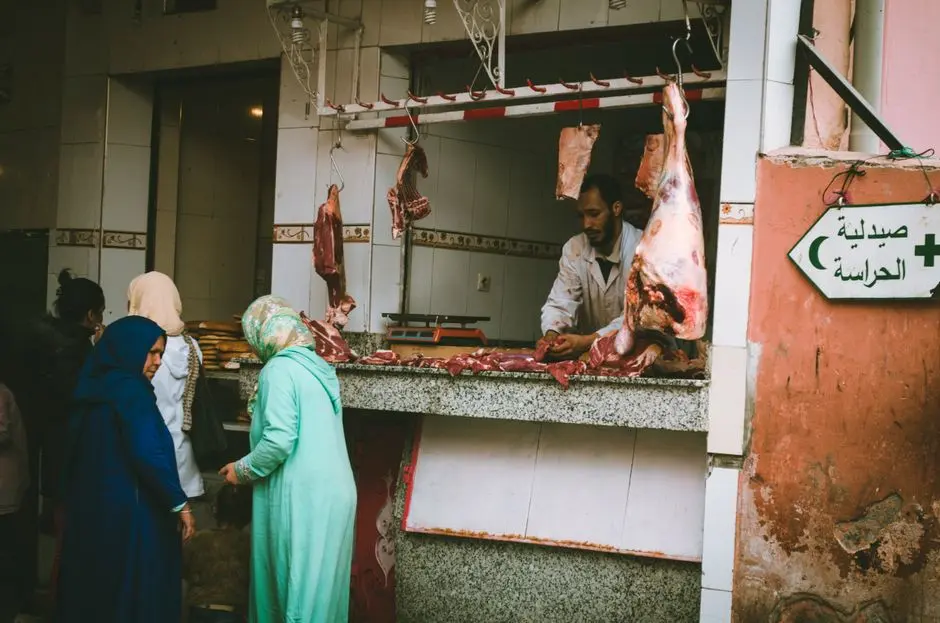
Street food in Marrakech is a multisensory experience. The scent of cumin and coriander, the sizzle of grills, and the vibrant colors of fresh ingredients create an atmosphere as important as the food itself. Street food here represents the authentic, unfiltered taste of Moroccan daily life, passed down through generations.
Must-Try Street Food Dishes
- Msemen: These flaky, square-shaped pancakes are a breakfast staple, often served with honey or amlou (almond and argan oil paste)
- B’stilla: A savory-sweet pigeon pie with layers of crispy warqa pastry, almonds, and cinnamon
- Harira: The traditional soup served during Ramadan but available year-round, made with tomatoes, lentils, chickpeas, and lamb
- Grilled Meats: From merguez sausages to kefta (spiced minced meat), the grill masters of Jemaa el-Fnaa are legendary
- Fresh Orange Juice: Pressed before your eyes at dozens of stalls throughout the medina
Top Street Food Locations
While Jemaa el-Fnaa remains the epicenter of Marrakech street food, several other areas have gained prominence:
- Jemaa el-Fnaa Square: The UNESCO-recognized square transforms into a massive open-air restaurant every evening
- Rue de la Liberté: Known for its concentration of modern street food vendors blending traditional and contemporary flavors
- Mellah Market: The historic Jewish quarter offers unique dishes like maakouda (potato fritters) and fish tagines
- Guéliz District: The modern city center features upscale street food concepts with traditional roots
For lesser-known food spots, explore our guide to hidden places only locals know.
The Art of Fine Dining in Marrakech
Marrakech’s fine dining scene has undergone a remarkable transformation, with several restaurants earning international recognition. The city now has a number of acclaimed restaurants blending Moroccan traditions with global techniques while using locally sourced ingredients; the Michelin Guide does not cover Morocco. For a curated selection, explore our gourmet dining guide.
Characteristics of Marrakech Fine Dining
- Architectural Integration: Many fine dining restaurants are set in restored riads or palaces
- Modern Interpretations: Chefs reimagine traditional dishes with contemporary presentation
- Seasonal Menus: Emphasis on local, seasonal ingredients from the Atlas Mountains and coastal regions
- Cultural Experience: Dining often includes traditional music, decor, and service styles
Notable Fine Dining Establishments
Several restaurants stand out for their exceptional quality and innovation:
- Le Jardin: Set in a 16th-century palace, known for its seven-course tasting menu featuring modern Moroccan cuisine
- Dar Moha: Helmed by a celebrity chef, this restaurant offers innovative takes on classic dishes in a lush garden setting
- La Maison Arabe: Famous for its cooking school and restaurant serving refined traditional cuisine
- Nomad: A contemporary rooftop restaurant with panoramic views of the medina
Comparing Experiences: Street Food vs Fine Dining
Atmosphere and Setting
Street food offers an immersive cultural experience amidst the bustle of daily life. Fine dining provides tranquil, often luxurious settings that allow for intimate conversation and appreciation of details.
Price and Accessibility
Street food remains remarkably affordable, with most dishes costing between 10-50 Moroccan dirhams (approximately $1-5 USD). Fine dining experiences range from 500-2000 dirhams per person ($50-200 USD), offering different value propositions for various budgets.
Authenticity and Innovation
Street food represents traditional preparation methods passed through generations. Fine dining chefs often innovate while respecting culinary heritage. Both approaches contribute to preserving and evolving Moroccan cuisine.
Cultural Considerations and Dining Etiquette
Street Food Tips
- Observe where locals are eating—crowded stalls usually indicate quality and freshness
- Carry small change as most vendors prefer cash
- Don’t be afraid to ask about ingredients if you have dietary restrictions
- Practice basic food safety: choose stalls with high turnover and visible cleanliness
Fine Dining Etiquette
- Reservations are essential, especially during peak tourist seasons
- Dress codes vary but generally lean toward smart casual
- Traditional Moroccan meals are often eaten with hands (right hand only), but fine dining establishments provide utensils
- Tipping 10-15% is customary for exceptional service; see our tipping guide for Morocco for details
Evolution of Marrakech’s Food Scene
Marrakech has seen significant developments in its culinary landscape. A growing trend toward elevated street food has emerged—vendors who maintain traditional methods while improving presentation and hygiene standards.
Simultaneously, fine dining establishments have increased their focus on sustainability and local sourcing, creating a more integrated food ecosystem. To complement your dining plans, see our 5-day Marrakech itinerary for perfectly timed meals.
Notable Trends
- Hyper-Local Sourcing: Restaurants increasingly source ingredients from specific regions or even individual farms
- Vegetarian and Vegan Options: Growing demand has led to more plant-based interpretations of traditional dishes
- Culinary Tourism Packages: Combined street food tours and fine dining experiences are increasingly popular
- Technology Integration: Mobile apps for food stall ratings and restaurant reservations have become commonplace
Health and Safety Considerations
Both street food and fine dining in Marrakech have improved their hygiene standards significantly, with the Moroccan Ministry of Tourism implementing stricter regulations for vendors. Fine dining establishments often exceed international standards. Travelers should still exercise basic precautions, particularly with street food:
- Drink bottled water and avoid ice in drinks from street vendors
- Choose cooked-to-order items over pre-prepared foods
- Wash hands frequently or use hand sanitizer
- Consider probiotic supplements if you have a sensitive stomach
Planning Your Culinary Journey
Recommended Itineraries
For a balanced experience of Marrakech’s food scene, consider these approaches:
- The Traditionalist: Focus on street food during the day, with one fine dining experience to appreciate elevated versions of the same dishes
- The Foodie Explorer: Take a street food tour in the morning, cooking class in the afternoon, and fine dining in the evening
- The Luxury Traveler: Stay at riads with exceptional restaurants, with occasional forays into the medina for authentic street food experiences
Seasonal Considerations
Marrakech’s food offerings change with the seasons. For packing advice tailored to your visit, check our what to wear in Marrakech guide:
- Spring: Fresh peas, artichokes, and strawberries feature prominently
- Summer: Cooling dishes like chilled soups and salads become more common
- Autumn: Dates, pomegranates, and grapes reach their peak
- Winter: Hearty tagines and soups dominate menus
Frequently Asked Questions
How much does street food cost in Marrakech?
Most street food dishes cost between 10-50 Moroccan dirhams, approximately $1-5 USD.
How much does fine dining cost in Marrakech?
Fine dining experiences range from 500-2000 dirhams per person, or $50-200 USD.
Are there Michelin-starred restaurants in Marrakech?
The Michelin Guide does not cover Morocco, but the city has a number of acclaimed restaurants blending Moroccan traditions with global techniques.
How much should I tip in a Marrakech restaurant?
Tipping 10-15% is customary for exceptional service.
How can I eat street food safely in Marrakech?
Drink bottled water, avoid ice in drinks from street vendors, and choose cooked-to-order items over pre-prepared foods.
Conclusion: Embracing Both Worlds
Marrakech’s culinary landscape offers a beautiful dichotomy between the raw, vibrant energy of street food and the refined elegance of fine dining. Rather than choosing one over the other, the most rewarding approach is to experience both. The street food provides context, history, and authenticity, while fine dining offers reflection, innovation, and celebration of the same culinary traditions.
As you explore Marrakech, remember that each dining experience contributes to understanding Moroccan culture. From the communal atmosphere of a street food stall to the intimate setting of a riad restaurant, every meal tells a story about Morocco’s past, present, and future. For more on the spectrum of dining, explore our guide to 10 traditional Moroccan dishes you must try.
Call to Action
Ready to explore Marrakech’s incredible food scene? Start planning your culinary adventure today. For authentic street food experiences, consider joining a guided tour with reputable operators.
For fine dining reservations, book well in advance, especially during peak seasons. Most importantly, come with an open mind and adventurous palate—Marrakech’s flavors await your discovery. Check our gourmet dining guide for top recommendations.
If you are planning family travel to Morocco, these dining tips will help you navigate the local food culture with ease. For themed itineraries, see our Marrakech itinerary plans.
For more information about Moroccan cuisine and travel tips, visit authoritative resources like the Visit Marrakech tourism site, and stay connected with a reliable eSIM Maroc for seamless data access while exploring the city. These sources provide updated information about restaurant openings, food festivals, and cultural events. To round out your trip, check our rooftop cafes guide for sky-high dining views.
For those booking a stay, our guide on why to rent a villa in Marrakech offers insights into combining luxury accommodation with your culinary exploration. Discover more street food and fine dining insights to enhance your trip. For a comprehensive view of local dining, also browse our top restaurant reviews.
When you are ready to explore beyond the table, consult our what to pack for Marrakech guide for essential travel tips.